Address: No. 11 Plant, Tiantan Industrial Park, Huling Industrial Cluster, Jiyuan City

Essential Insights into Alloy Lead Smelting Equipment: Enhancing Efficiency and Safety
Nov 26,2025
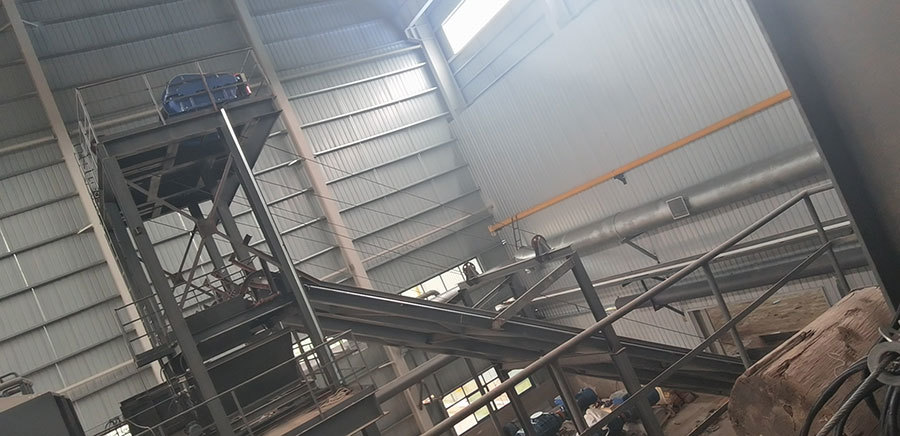
Alloy lead smelting equipment plays a vital role in the metallurgical industry, particularly in the recycling and processing of lead-containing materials. As demand for lead rises in various applications, including batteries and electronics, understanding the intricacies of this equipment is crucial for maximizing efficiency and ensuring environmental compliance.
One of the primary components of alloy lead smelting equipment is the furnace, which is responsible for melting the lead alloy. Different types of furnaces are available, including blast furnaces, reverberatory furnaces, and induction furnaces. Each type has its advantages and is suited to specific operational needs. For instance, induction furnaces offer precise temperature control and reduced emissions, making them an excellent choice for environmentally conscious operations.
In addition to the furnace, effective alloy lead smelting also requires robust material handling systems. These systems facilitate the safe transport of raw materials and finished products, minimizing the risk of contamination and exposure to hazardous materials. Automated handling solutions can significantly enhance operational efficiency, reducing labor costs and human error.
Another critical aspect of alloy lead smelting equipment is the emissions control system. Lead smelting operations can produce harmful pollutants, such as sulfur dioxide and particulate matter, necessitating the implementation of effective air pollution control technologies. Bag filters, scrubbers, and electrostatic precipitators are common components that help capture and neutralize harmful emissions, ensuring compliance with environmental regulations.
Safety is paramount in any smelting operation, and this is especially true for lead processing due to the material's toxicity. Implementing comprehensive safety protocols, including regular equipment maintenance and employee training, can help mitigate risks associated with lead exposure. Additionally, investing in advanced monitoring systems can provide real-time data on air quality and equipment performance, allowing for proactive measures to ensure a safe working environment.
Lastly, staying abreast of industry trends and innovations is essential for optimizing the use of alloy lead smelting equipment. The adoption of Industry 4.0 technologies, such as IoT and artificial intelligence, can enhance operational efficiency by providing insights into equipment performance and predictive maintenance needs.
In summary, alloy lead smelting equipment is integral to efficient and safe lead processing. Understanding the various components, operational best practices, and safety measures can significantly enhance the productivity of smelting operations. As the industry continues to evolve, embracing new technologies and adhering to safety and environmental standards will be critical in ensuring sustainable success in the lead smelting sector.
Contact Us
Company Email:
962452762@qq.com
Contact Number:
+8615670922562
Company Address:
No. 11 Plant, Tiantan Industrial Park, Huling Industrial Cluster, Jiyuan City

Address: No. 11 Plant, Tiantan Industrial Park, Huling Industrial Cluster, Jiyuan City

Scan with WeChat
Copyright © Xinyu Metallurgical Equipment Co., Ltd.
SAF Coolest v1.3.1.2 设置面板 GAGSE-ZGYF-JXSZE-AED
无数据提示
Sorry, this column is currently being updated. Please stay tuned!
You can view other columns or returnHomepage