Address: No. 11 Plant, Tiantan Industrial Park, Huling Industrial Cluster, Jiyuan City

How to Improve Workflow with Advanced Metal Refining Equipment
Dec 23,2025
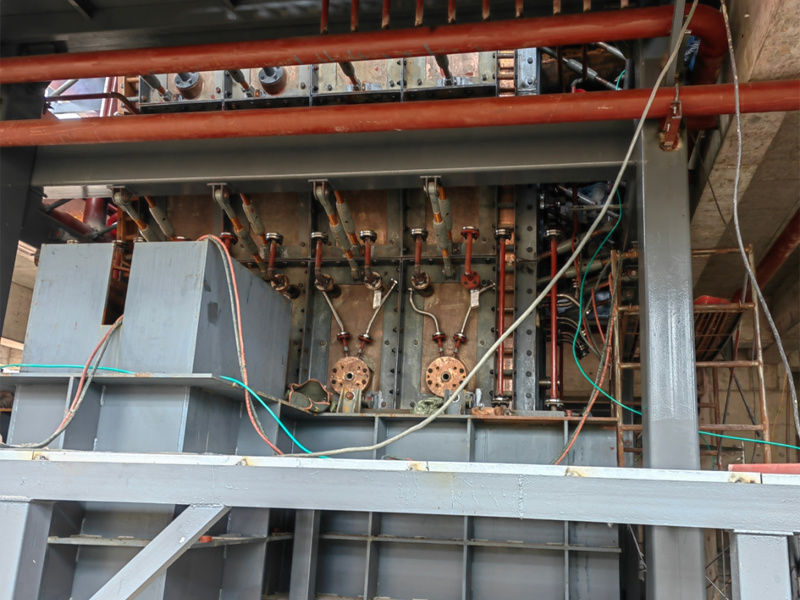
How to Improve Workflow with Advanced Metal Refining Equipment
Introduction to Metal Refining Equipment
In the fast-paced industry of metal refining, the choice of equipment plays a crucial role in determining the efficiency and productivity of operations. As technologies advance, **metal refining equipment** has evolved significantly, offering solutions that streamline workflows and enhance output quality. This article delves deep into the various types of advanced metal refining equipment, their benefits, and practical strategies to improve workflow.
Understanding Advanced Metal Refining Equipment
Advanced **metal refining equipment** encompasses a range of technologies designed to process and purify metals. These tools are essential in industries such as aerospace, automotive, and electronics, where precision and quality are paramount.
The Role of Automation in Metal Refining
Automation is one of the key features of advanced metal refining equipment. By integrating systems such as robotic arms, automated conveyors, and smart sensors, metal refinement processes can achieve higher precision and consistency. Automation minimizes human error and increases productivity, allowing operators to focus on oversight rather than manual labor.
Types of Advanced Metal Refining Equipment
1. **Induction Furnaces**: These are highly efficient and versatile, capable of melting various metals with minimal energy consumption.
2. **Vacuum Arc Remelting (VAR) Units**: Ideal for producing high-quality ingots, VAR units prevent contamination and ensure uniformity in the final product.
3. **Electrolytic Refining Systems**: Utilizing electrolysis to purify metals, these systems improve metal quality and reduce waste.
4. **Continuous Casting Machines**: Designed for high-output operations, these machines streamline the casting process, reducing operational downtime.
Benefits of Using Advanced Metal Refining Equipment
Utilizing advanced equipment brings numerous benefits that can significantly enhance workflow efficiency.
Increased Efficiency and Output
With advanced technology, metal refining processes can be completed faster. Systems designed for high-speed operation can produce larger volumes of refined metals in shorter periods, thereby increasing overall output.
Cost Reduction and Resource Management
Investing in advanced metal refining equipment can lead to substantial cost savings. Automated systems reduce labor costs and minimize material waste through precise measurements and controls. This efficient resource management allows companies to allocate budgets more effectively.
Improved Quality Control
Advanced equipment is often equipped with sophisticated monitoring systems that ensure quality control at every stage of the refining process. Real-time data analytics enable operators to identify inconsistencies and rectify issues promptly, leading to superior end products.
Best Practices for Implementing Advanced Equipment
To maximize the benefits of advanced metal refining equipment, businesses should adopt certain best practices.
Assessing Equipment Needs and Capabilities
Before investing, it's crucial to evaluate the specific needs of your operations. Consider factors such as the types of metals processed, production volumes, and quality requirements. This assessment will help in selecting the right equipment that aligns with your operational goals.
Training and Development for Staff
Investing in **staff training** is vital for effective equipment utilization. Operators should be well-versed in the operational intricacies of advanced equipment to harness its full potential. Regular workshops and training sessions can ensure that the workforce remains adept at using new technologies.
Workflow Optimization Strategies
Beyond simply acquiring advanced equipment, businesses must implement workflow optimization strategies to fully realize enhancements in productivity.
Streamlining Processes with Lean Manufacturing
Integrating lean manufacturing principles can help eliminate waste and improve process efficiency. By analyzing workflows and identifying bottlenecks, companies can reorganize operations to create a more streamlined system that supports the capabilities of advanced equipment.
Implementing Real-Time Data Monitoring
Utilizing data analytics and monitoring tools can provide insights into operational efficiency. By tracking performance metrics in real-time, businesses can make informed decisions, adjust processes, and enhance overall productivity.
Case Studies in Advanced Metal Refining Equipment
Examining real-world applications can provide valuable insights into the benefits of advanced metal refining equipment.
Case Study 1: Automotive Industry
A leading automotive manufacturer implemented automated induction furnaces that increased their output by 30%. By reducing melting times and improving energy efficiency, they also lowered production costs while maintaining high-quality standards.
Case Study 2: Aerospace Sector
An aerospace company adopted vacuum arc remelting units, resulting in a significant reduction in material contamination. Their ability to produce high-purity ingots led to enhanced performance in aerospace applications.
Future Trends in Metal Refining Equipment
As technology continues to evolve, we can expect significant advancements in metal refining equipment.
Integration of Artificial Intelligence (AI)
AI is set to revolutionize metal refining processes, with predictive maintenance and optimization algorithms enhancing operational efficiency. By analyzing vast amounts of data, AI can predict failures and recommend adjustments to maintain optimal performance.
Sustainability and Eco-Friendly Solutions
The future of metal refining will likely see an emphasis on sustainability. Advanced equipment that minimizes energy consumption and reduces waste will become increasingly important as industries seek to align with environmental standards.
Frequently Asked Questions (FAQs)
1. What is metal refining equipment?
Metal refining equipment refers to the machinery and tools used to process and purify metals, ensuring the removal of impurities and the enhancement of quality.
2. How does automated metal refining equipment improve workflow?
Automated metal refining equipment minimizes human error, increases production speed, and ensures consistent quality, thus improving overall workflow.
3. What types of metals can be processed with advanced refining equipment?
Advanced refining equipment can process a variety of metals, including steel, aluminum, gold, silver, and copper, among others.
4. How can I train my staff to use new metal refining equipment effectively?
Implement regular training sessions and workshops focused on the new equipment’s operations. Encourage hands-on learning and provide resources for ongoing education.
5. What are the cost benefits of advanced metal refining equipment?
Investing in advanced metal refining equipment can lead to reduced labor costs, minimized waste, and increased production efficiency, resulting in overall cost savings for the business.
Conclusion
Investing in **advanced metal refining equipment** offers businesses the opportunity to significantly enhance workflow, maximize efficiency, and improve product quality. By understanding the various types of equipment, implementing best practices, and remaining aware of future trends, companies can position themselves for success in an increasingly competitive marketplace. Embracing innovation not only streamlines processes but also ensures sustainable growth and excellence in metal refining operations.
TAG:
Contact Us
Company Email:
962452762@qq.com
Contact Number:
+8615670922562
Company Address:
No. 11 Plant, Tiantan Industrial Park, Huling Industrial Cluster, Jiyuan City

Address: No. 11 Plant, Tiantan Industrial Park, Huling Industrial Cluster, Jiyuan City

Scan with WeChat
Copyright © Xinyu Metallurgical Equipment Co., Ltd.
SAF Coolest v1.3.1.2 设置面板 GAGSE-ZGYF-JXSZE-AED
违禁词: First, best, top-notch, leading, unique, king, leader, leader, ultimate,
无数据提示
Sorry, this column is currently being updated. Please stay tuned!
You can view other columns or returnHomepage