Address: No. 11 Plant, Tiantan Industrial Park, Huling Industrial Cluster, Jiyuan City

How to Choose the Right Regenerated Copper Smelting Furnace for Your Operation
Nov 23,2025
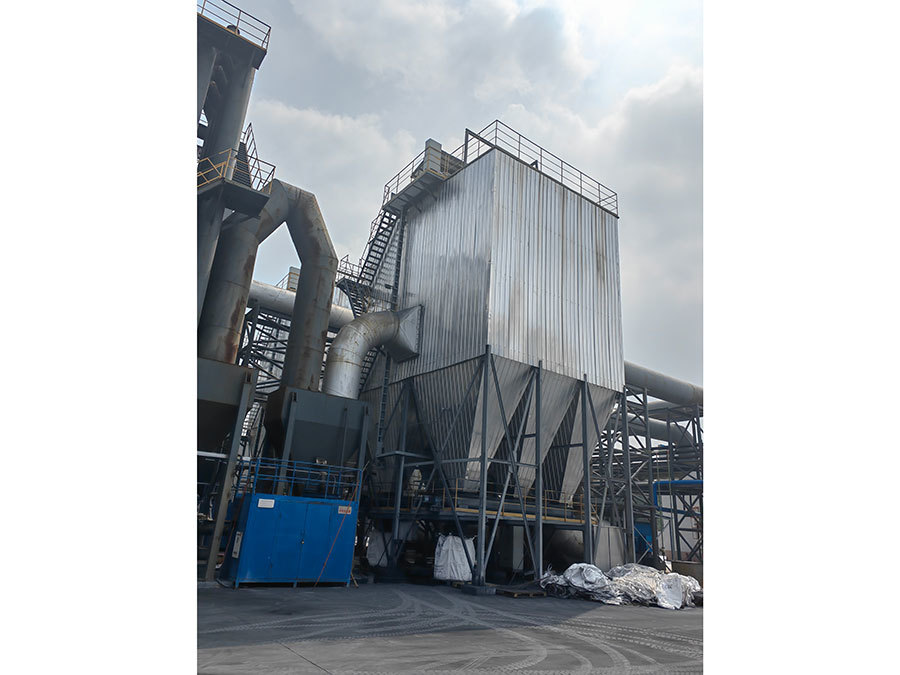
How to Choose the Right Regenerated Copper Smelting Furnace for Your Operation
Choosing the right regenerated copper smelting furnace is crucial for the efficiency and profitability of your industrial operation. With the advancement of technology and various options available in the market, the decision-making process can seem overwhelming. In this detailed guide, we will explore the essential factors you should consider when selecting a regenerated copper smelting furnace, ensuring you make an informed choice that aligns with your operational requirements.
Table of Contents
- Understanding Regenerated Copper Smelting
- Importance of Efficiency in Smelting
- Key Features to Consider in a Smelting Furnace
- Types of Regenerated Copper Smelting Furnaces
- Capacity and Throughput Requirements
- Maintenance and Reliability Factors
- Cost Analysis: Initial Investment vs Operating Costs
- Choosing the Right Vendor
- Conclusion
- Frequently Asked Questions
Understanding Regenerated Copper Smelting
Regenerated copper smelting is a key process in the recycling and recovery of copper from various sources, including scrap copper and other copper-bearing materials. The goal of this process is to extract pure copper from these materials, thereby reducing waste and minimizing environmental impact. A regenerated copper smelting furnace plays a pivotal role in this process, as it facilitates the melting and refining of copper materials.
The regeneration process involves recycling waste heat, which not only enhances energy efficiency but also contributes to lower operational costs. Understanding the fundamentals of copper smelting is essential for selecting the right furnace tailored to your operational needs.
Importance of Efficiency in Smelting
Efficiency is a significant factor in the operation of copper smelting furnaces. An efficient furnace minimizes energy consumption and maximizes output, directly impacting your bottom line. When evaluating potential furnaces, consider factors like:
- Heat Recovery: Look for furnaces that incorporate heat recovery systems to utilize waste heat effectively.
- Fuel Type: Different fuels have varying efficiencies; investigate which fuel type aligns best with your operational goals.
- Energy Consumption: Assess the overall energy consumption of the furnace per ton of copper produced.
By prioritizing efficiency, you can significantly reduce operational costs and improve the sustainability of your operation.
Key Features to Consider in a Smelting Furnace
When selecting a regenerated copper smelting furnace, several key features should be taken into account:
1. Furnace Design
The design of the furnace can impact both performance and maintenance. Some designs emphasize ease of access for maintenance, while others may focus on maximizing heating efficiency.
2. Temperature Control
Effective temperature management is crucial in copper smelting. Look for furnaces equipped with advanced temperature control systems that provide accurate readings and adjustments.
3. Automation and Control Systems
Modern furnaces often incorporate sophisticated automation systems, enabling enhanced monitoring and control of the smelting process. This feature can lead to better consistency in product quality.
4. Emission Control
Compliance with environmental regulations is paramount. Choose furnaces that offer efficient emission control systems to minimize environmental impact.
5. Flexibility
A furnace that can handle a variety of feed materials can provide greater operational flexibility, allowing for adaptation to different production needs.
Types of Regenerated Copper Smelting Furnaces
Understanding the types of regenerated copper smelting furnaces available is essential for making an informed decision:
1. Electric Arc Furnaces
These furnaces use electric arcs to melt the copper. They are known for their efficiency and lower emissions compared to traditional furnaces.
2. Induction Furnaces
Induction furnaces rely on electromagnetic induction to heat the metal. They offer precise temperature control and are suitable for various copper alloys.
3. Flash Smelting Furnaces
This type of furnace utilizes a high-velocity gas stream to introduce materials into the furnace. It is highly efficient and allows for the recovery of heat from the smelting process.
4. Reverbatory Furnaces
Reverberatory furnaces feature a flat, horizontal surface where materials are heated. They are typically used for larger batches of material.
Capacity and Throughput Requirements
Determining the right capacity and throughput for your furnace is critical. Consider the following:
1. Production Goals
Your operational volume will dictate the required capacity. Assess your production goals to ensure the furnace can meet demand without bottlenecks.
2. Batch Size
Understand the typical batch sizes you will be working with and choose a furnace that can accommodate these efficiently.
3. Scalability
As your operation grows, so will your production requirements. Select a furnace that can be scaled up to meet future demands without extensive modifications.
Maintenance and Reliability Factors
Regular maintenance is essential for ensuring the longevity and reliability of your smelting furnace. Consider the following aspects:
1. Maintenance Requirements
Evaluate the maintenance needs of potential furnaces. Some designs may require more frequent or intensive maintenance than others.
2. Reliability and Uptime
Look for furnaces known for their reliability and minimal downtime. Research user reviews and case studies to gauge the performance of various furnace models.
3. Manufacturer Support
Choose manufacturers that offer robust support services, including installation, training, and ongoing maintenance assistance.
Cost Analysis: Initial Investment vs Operating Costs
Conducting a thorough cost analysis is crucial for understanding the financial implications of your furnace choice. Consider both initial investment and ongoing operational costs:
1. Initial Investment
Assess the purchase price of the furnace, including any additional costs for installation and setup.
2. Operating Costs
Factor in energy consumption, maintenance, labor, and raw material costs to get a comprehensive view of the ongoing costs associated with operating the furnace.
3. Return on Investment (ROI)
Calculate the expected ROI based on increased production efficiency and reduced operational costs to determine the long-term viability of your investment.
Choosing the Right Vendor
Selecting a reputable vendor is critical to ensuring a successful purchase. Here are some tips to guide your vendor selection:
1. Research and Reviews
Conduct thorough research on potential vendors. Look for reviews and testimonials from other customers to gauge their reputation and reliability.
2. Customer Service
Evaluate the level of customer service offered by the vendor. A responsive and knowledgeable support team can make a significant difference in your experience.
3. Warranty and Support
Inquire about warranties and post-purchase support. A solid warranty can provide peace of mind regarding the durability and reliability of your furnace.
Conclusion
Choosing the right regenerated copper smelting furnace is a multifaceted decision that requires careful consideration of various factors, including efficiency, technology, capacity, maintenance, and cost. By thoroughly evaluating your operational needs and researching available options, you can make an informed choice that enhances productivity and profitability in your copper smelting operations. With the right furnace in place, you can ensure a sustainable and efficient process that meets both current and future demands.
Frequently Asked Questions
1. What is a regenerated copper smelting furnace?
A regenerated copper smelting furnace is a specialized industrial furnace designed to melt and refine copper from scrap or other copper-bearing materials, often incorporating heat recovery systems for enhanced efficiency.
2. How do I determine the right capacity for my smelting furnace?
To determine the right capacity, assess your production goals, typical batch sizes, and future scalability needs to ensure the furnace can meet your operational demands.
3. What maintenance is required for a copper smelting furnace?
Maintenance needs vary by furnace type, but typically include routine inspections, cleaning, and potential repairs to ensure reliable operation.
4. What are the benefits of using an electric arc furnace?
Electric arc furnaces offer high efficiency, lower emissions, and precise temperature control, making them a popular choice for copper smelting operations.
5. How can I ensure compliance with environmental regulations?
Choose smelting furnaces equipped with effective emission control systems and stay updated on local environmental regulations to ensure compliance.
Contact Us
Company Email:
962452762@qq.com
Contact Number:
+8615670922562
Company Address:
No. 11 Plant, Tiantan Industrial Park, Huling Industrial Cluster, Jiyuan City

Address: No. 11 Plant, Tiantan Industrial Park, Huling Industrial Cluster, Jiyuan City

Scan with WeChat
Copyright © Xinyu Metallurgical Equipment Co., Ltd.
SAF Coolest v1.3.1.2 设置面板 GAGSE-ZGYF-JXSZE-AED
无数据提示
Sorry, this column is currently being updated. Please stay tuned!
You can view other columns or returnHomepage