Address: No. 11 Plant, Tiantan Industrial Park, Huling Industrial Cluster, Jiyuan City

Unlocking Efficiency in Metal Processing: The Role of Lead Refining Furnaces
Aug 01,2026
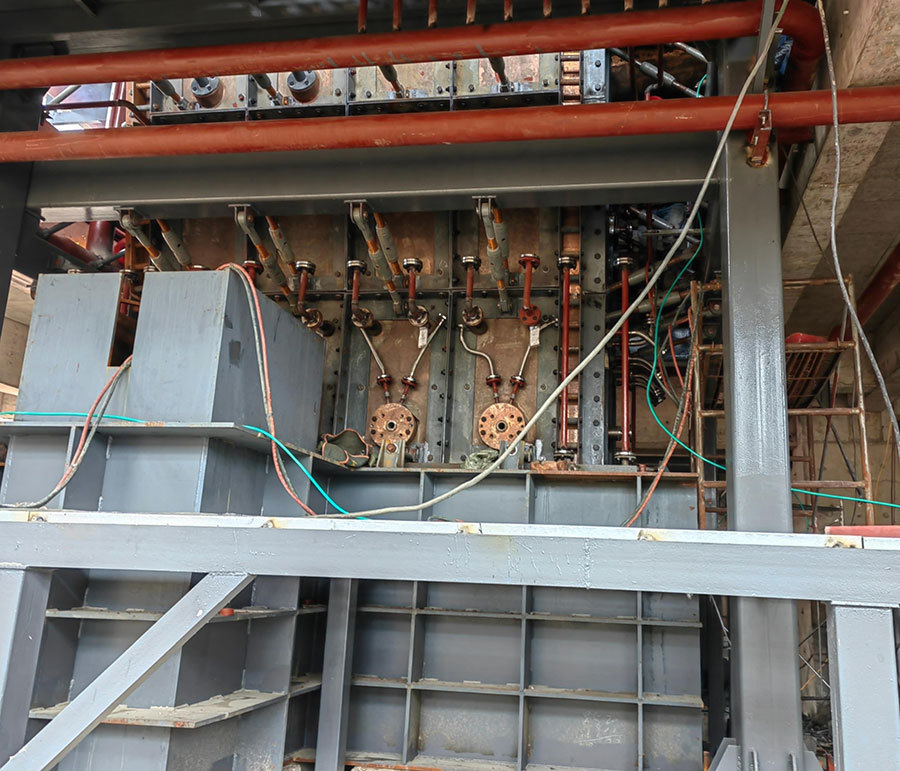
Lead refining furnaces are essential components in the metal processing industry, particularly for refining lead from ores and recycling lead-containing materials. These furnaces serve a crucial role in ensuring the purity and quality of lead, which is fundamental for various applications, including batteries, solder, and radiation shielding.
The primary function of a lead refining furnace is to separate impurities from lead through a controlled melting process. The furnace operates at high temperatures, typically ranging between 400 to 600 degrees Celsius. During this process, the raw lead material is heated until it melts, allowing for the separation of impurities, such as sulfur, arsenic, and other metals. The refined lead can then be cast into bars or other forms for further processing.
One of the key advantages of using lead refining furnaces is their ability to enhance the overall efficiency of the lead production process. By effectively removing impurities, these furnaces contribute to a higher quality end product, which is essential for maintaining the standards required by various industries. Additionally, the use of advanced materials and designs in furnace construction can lead to improved energy efficiency, reducing operational costs and environmental impact.
Modern lead refining furnaces often incorporate technological advancements such as automated controls and real-time monitoring systems. These innovations allow operators to maintain optimal conditions within the furnace, ensuring consistent output quality and reducing the risk of operational issues. Furthermore, the integration of advanced refractory materials can enhance the furnace's durability and thermal efficiency, leading to longer service life and reduced maintenance needs.
In terms of environmental considerations, lead refining furnaces are subject to stringent regulations aimed at minimizing emissions and waste. Manufacturers are increasingly adopting cleaner technologies and processes that comply with these regulations while maintaining high production standards. The implementation of effective dust and fume collection systems is one such measure, ensuring that the refining process is as environmentally friendly as possible.
In conclusion, lead refining furnaces are vital for the efficient production and recycling of lead, significantly impacting the quality and sustainability of metal processing operations. By utilizing advanced technologies and adhering to environmental standards, these furnaces not only enhance productivity but also contribute to a greener industrial future. For professionals in the metal processing industry, understanding the role and capabilities of lead refining furnaces is essential for optimizing operations and ensuring product quality.
The primary function of a lead refining furnace is to separate impurities from lead through a controlled melting process. The furnace operates at high temperatures, typically ranging between 400 to 600 degrees Celsius. During this process, the raw lead material is heated until it melts, allowing for the separation of impurities, such as sulfur, arsenic, and other metals. The refined lead can then be cast into bars or other forms for further processing.
One of the key advantages of using lead refining furnaces is their ability to enhance the overall efficiency of the lead production process. By effectively removing impurities, these furnaces contribute to a higher quality end product, which is essential for maintaining the standards required by various industries. Additionally, the use of advanced materials and designs in furnace construction can lead to improved energy efficiency, reducing operational costs and environmental impact.
Modern lead refining furnaces often incorporate technological advancements such as automated controls and real-time monitoring systems. These innovations allow operators to maintain optimal conditions within the furnace, ensuring consistent output quality and reducing the risk of operational issues. Furthermore, the integration of advanced refractory materials can enhance the furnace's durability and thermal efficiency, leading to longer service life and reduced maintenance needs.
In terms of environmental considerations, lead refining furnaces are subject to stringent regulations aimed at minimizing emissions and waste. Manufacturers are increasingly adopting cleaner technologies and processes that comply with these regulations while maintaining high production standards. The implementation of effective dust and fume collection systems is one such measure, ensuring that the refining process is as environmentally friendly as possible.
In conclusion, lead refining furnaces are vital for the efficient production and recycling of lead, significantly impacting the quality and sustainability of metal processing operations. By utilizing advanced technologies and adhering to environmental standards, these furnaces not only enhance productivity but also contribute to a greener industrial future. For professionals in the metal processing industry, understanding the role and capabilities of lead refining furnaces is essential for optimizing operations and ensuring product quality.
TAG:
Contact Us
Company Email:
962452762@qq.com
Contact Number:
+8615670922562
Company Address:
No. 11 Plant, Tiantan Industrial Park, Huling Industrial Cluster, Jiyuan City

Address: No. 11 Plant, Tiantan Industrial Park, Huling Industrial Cluster, Jiyuan City

Scan with WeChat
Copyright © Xinyu Metallurgical Equipment Co., Ltd.
SAF Coolest v1.3.1.2 设置面板 GAGSE-ZGYF-JXSZE-AED
违禁词: First, best, top-notch, leading, unique, king, leader, leader, ultimate,
无数据提示
Sorry, this column is currently being updated. Please stay tuned!
You can view other columns or returnHomepage