Address: No. 11 Plant, Tiantan Industrial Park, Huling Industrial Cluster, Jiyuan City

The Role of Copper Anode Furnaces in Sustainable Manufacturing
Aug 04,2026
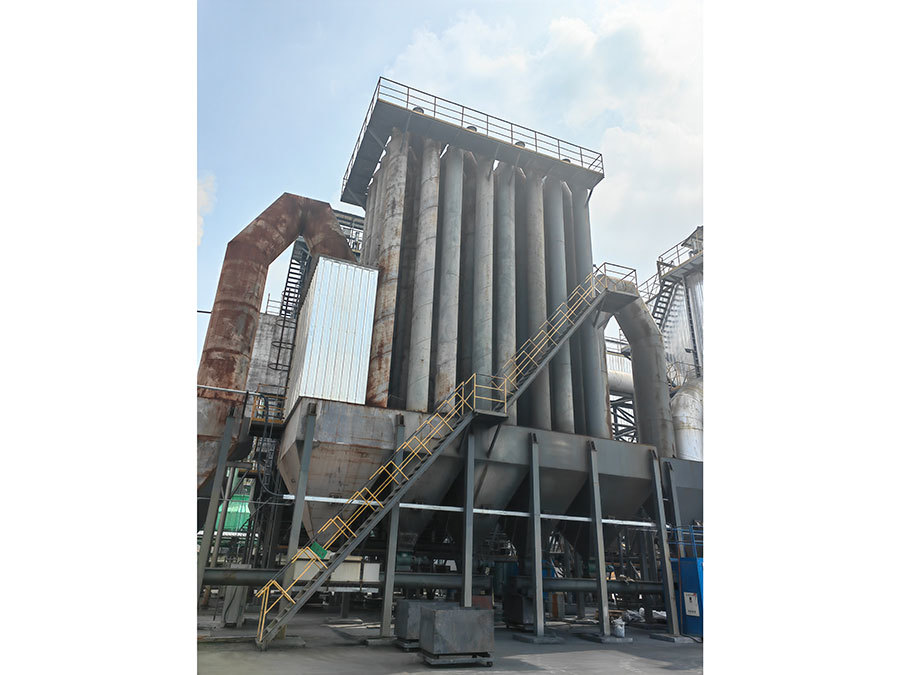
The Role of Copper Anode Furnaces in Sustainable Manufacturing
Table of Contents
1. Introduction to Copper Anode Furnaces
2. The Importance of Sustainability in Manufacturing
3. How Copper Anode Furnaces Operate
3.1 The Process of Anode Production
3.2 Key Components of Copper Anode Furnaces
4. Benefits of Using Copper Anode Furnaces
4.1 Energy Efficiency and Cost Savings
4.2 Reduction of Greenhouse Gas Emissions
4.3 Enhanced Metal Quality
5. The Future of Copper Anode Furnaces in Eco-Friendly Manufacturing
6. Challenges in Implementing Sustainable Practices
7. FAQs about Copper Anode Furnaces
8. Conclusion
1. Introduction to Copper Anode Furnaces
Copper anode furnaces play a critical role in the production of copper anodes, which are essential for electrorefining and the overall copper production process. These furnaces are designed to melt copper scrap and convert it into high-purity anodes, which are then used in electrolysis to produce refined copper metal. In recent years, as the demand for sustainable manufacturing practices has grown, copper anode furnaces have emerged as a vital component in achieving environmentally friendly production methods.
2. The Importance of Sustainability in Manufacturing
Sustainability in manufacturing refers to processes that minimize environmental impact while maximizing resource efficiency. With increasing regulations and a societal shift towards eco-conscious living, manufacturers are seeking ways to adopt sustainable practices. **Copper anode furnaces** contribute significantly to this shift, offering not only operational efficiency but also a reduced carbon footprint.
As manufacturers strive to meet sustainability goals, the role of innovative technologies like copper anode furnaces is paramount. By incorporating these furnaces into their production lines, companies can not only meet regulatory requirements but also appeal to environmentally conscious consumers.
3. How Copper Anode Furnaces Operate
Understanding the operational mechanisms of copper anode furnaces is essential in recognizing their role in sustainable manufacturing. These furnaces utilize advanced melting technology to ensure a high yield of copper while minimizing energy consumption.
3.1 The Process of Anode Production
The production of copper anodes involves several stages: the collection of copper scrap, melting in the furnace, and casting into anodes. During the melting process, impurities are removed to ensure high purity in the final product. This process not only recycles copper scrap but also decreases the need for new copper mining, which is often environmentally damaging.
3.2 Key Components of Copper Anode Furnaces
The primary components of copper anode furnaces include refractory linings, burners, and tapping systems. Refractory linings are crucial for thermal efficiency, while burners are designed to optimize fuel use, thereby reducing emissions. The tapping system allows for the efficient transfer of molten copper into molds, ensuring minimal waste during production.
4. Benefits of Using Copper Anode Furnaces
Copper anode furnaces provide numerous benefits that align with sustainable manufacturing practices. Below are some of the key advantages:
4.1 Energy Efficiency and Cost Savings
One of the most significant benefits of copper anode furnaces is their energy efficiency. These furnaces are designed to operate at optimal temperatures, reducing energy consumption and lowering operational costs. By optimizing fuel usage, manufacturers can achieve substantial savings, making their operations more economically viable.
4.2 Reduction of Greenhouse Gas Emissions
Copper production is traditionally associated with high levels of greenhouse gas emissions. However, by utilizing advanced technologies in copper anode furnaces, manufacturers can significantly reduce these emissions. Techniques such as **flue gas treatment** and the reduction of volatile organic compounds (VOCs) contribute to a smaller carbon footprint, benefiting both the environment and the company’s reputation.
4.3 Enhanced Metal Quality
High-purity copper anodes produced by these furnaces lead to improved quality in the final copper products. This quality enhancement is crucial for industries that demand precision, such as electronics and renewable energy, where high conductivity and durability are essential.
5. The Future of Copper Anode Furnaces in Eco-Friendly Manufacturing
As the demand for sustainable manufacturing practices continues to grow, the future of copper anode furnaces looks promising. Innovations in furnace technology, such as the integration of automation and real-time monitoring systems, will enhance efficiency and further reduce environmental impact.
Moreover, with increasing investments in renewable energy sources, copper anode furnaces are expected to play a pivotal role in the transition to green manufacturing. This transition not only supports manufacturers in meeting compliance but also positions them favorably in a market that increasingly values sustainability.
6. Challenges in Implementing Sustainable Practices
While copper anode furnaces offer significant advantages, there are challenges that manufacturers must navigate. The initial investment in advanced furnace technology can be substantial, posing a barrier to smaller companies. Additionally, ongoing maintenance and the need for skilled personnel may complicate the transition.
However, the long-term benefits, including enhanced productivity and reduced operational costs, often outweigh these initial challenges. Manufacturers who adopt these practices early stand to gain a competitive edge in the increasingly eco-conscious market landscape.
7. FAQs about Copper Anode Furnaces
**Q1: What are copper anode furnaces used for?**
A1: Copper anode furnaces are used to melt copper scrap and produce high-purity copper anodes, which are essential for electrorefining in copper production.
**Q2: How do copper anode furnaces contribute to sustainability?**
A2: These furnaces improve energy efficiency, reduce greenhouse gas emissions, and promote recycling, making them integral to sustainable manufacturing practices.
**Q3: What are the advantages of using recycled copper in anode production?**
A3: Using recycled copper minimizes the environmental impact of mining, reduces energy consumption, and helps lower production costs.
**Q4: Are there any environmental regulations affecting copper anode furnaces?**
A4: Yes, manufacturers must adhere to various environmental regulations that govern emissions, waste management, and sustainable practices in production.
**Q5: How can manufacturers optimize the performance of copper anode furnaces?**
A5: Manufacturers can optimize performance through routine maintenance, energy management systems, and by investing in advanced furnace technologies that enhance efficiency and reduce emissions.
8. Conclusion
Copper anode furnaces are not merely tools of production; they represent a significant shift towards sustainable manufacturing practices. By enhancing energy efficiency, reducing greenhouse gas emissions, and improving the quality of copper products, these furnaces play a vital role in creating a more sustainable industrial landscape. As the industry continues to evolve, embracing such technologies will be crucial for manufacturers aiming to meet the demands of an eco-conscious world. The future of copper production lies in the hands of those who prioritize sustainability, innovation, and environmental responsibility.
TAG:
Contact Us
Company Email:
962452762@qq.com
Contact Number:
+8615670922562
Company Address:
No. 11 Plant, Tiantan Industrial Park, Huling Industrial Cluster, Jiyuan City

Address: No. 11 Plant, Tiantan Industrial Park, Huling Industrial Cluster, Jiyuan City

Scan with WeChat
Copyright © Xinyu Metallurgical Equipment Co., Ltd.
SAF Coolest v1.3.1.2 设置面板 GAGSE-ZGYF-JXSZE-AED
违禁词: First, best, top-notch, leading, unique, king, leader, leader, ultimate,
无数据提示
Sorry, this column is currently being updated. Please stay tuned!
You can view other columns or returnHomepage