Address: No. 11 Plant, Tiantan Industrial Park, Huling Industrial Cluster, Jiyuan City

Tackling Challenges in Metal Refining with Advanced Equipment Solutions
Jul 29,2026
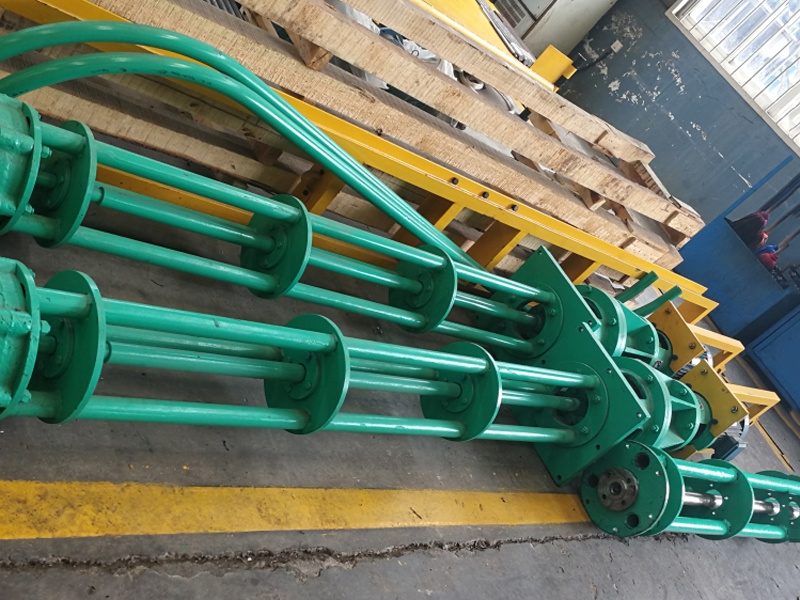
Tackling Challenges in Metal Refining with Advanced Equipment Solutions
Introduction to Metal Refining Challenges
Metal refining is a critical process in the manufacturing and recycling industries. However, the challenges faced during refining operations can significantly affect productivity, safety, and environmental impact. Common issues include equipment inefficiencies, high operational costs, and safety hazards. Hence, it's essential to adopt advanced equipment solutions that can effectively tackle these challenges and enhance the overall refining process.
Understanding the Metal Refining Process
The metal refining process involves extracting pure metals from their ores or metal-bearing materials. It typically encompasses various stages, including:
1. Preparation of Raw Materials
This step involves crushing and grinding ores to reduce their size and increase surface area for more efficient extraction. The preparation stage is crucial as it sets the foundation for the subsequent refining processes.
2. Extraction of Metals
The extraction phase may include various techniques, such as pyrometallurgy or hydrometallurgy, depending on the type of metal being refined. Each method has its unique challenges, including temperature control, chemical reactions, and energy consumption.
3. Purification and Separation
After extraction, metals often require further purification. Techniques such as electrolysis or chemical leaching are employed to separate impurities. This stage can be complicated by the presence of multiple metals or contaminants.
4. Final Processing
The final stage involves shaping and treating the refined metals for their intended applications. This can include casting, alloying, or surface treatments to enhance properties.
Common Challenges in Metal Refining
The metal refining industry faces numerous challenges that can hinder efficiency and increase costs. Some of these challenges include:
1. Equipment Inefficiencies
Outdated or poorly maintained equipment can lead to operational inefficiencies, resulting in increased downtime and lower production rates. Identifying and upgrading to advanced equipment solutions can mitigate these issues.
2. High Energy Consumption
Metal refining processes are often energy-intensive, leading to high operational costs. Implementing energy-efficient technologies can significantly reduce energy usage and costs.
3. Environmental Regulations
With increasing environmental regulations, the metal refining industry must adopt cleaner technologies to minimize emissions and waste. Non-compliance can result in hefty fines and damage to reputation.
4. Safety Hazards
Refining operations can pose significant safety risks, including exposure to hazardous materials and high-temperature processes. Investing in advanced equipment can enhance safety protocols and reduce workplace accidents.
Advanced Equipment Solutions for Metal Refining
Adopting advanced equipment solutions can help address the challenges faced in metal refining. Here are some key technologies currently transforming the industry:
1. Automated Systems
Automation plays a vital role in modern metal refining operations. Automated systems can optimize processes, reduce human error, and enhance production rates. For instance, robotic arms can assist in handling materials, while automated sensors can monitor equipment performance in real-time.
2. Energy-Efficient Furnaces
Innovative furnace technologies, such as induction furnaces and electric arc furnaces, offer significant energy savings compared to traditional methods. These furnaces provide precise temperature control and reduce emissions, contributing to a more sustainable refining process.
3. Advanced Filtration Systems
Implementing advanced filtration systems can improve the quality of refined metals by effectively removing impurities. For example, membrane filtration technology can separate fine particles with high efficiency, ensuring a purer end product.
4. Process Monitoring and Control Technologies
Enhanced monitoring and control systems enable real-time tracking of the refining process. These systems utilize data analytics and machine learning to optimize parameters and predict equipment failures, thus minimizing downtime.
5. Eco-Friendly Chemical Solutions
The development of eco-friendly chemicals for leaching and extraction processes reduces the environmental impact of metal refining. Green chemistry approaches not only comply with regulations but also improve safety in the workplace.
Best Practices for Implementing Advanced Equipment Solutions
To successfully integrate advanced equipment into metal refining operations, consider the following best practices:
1. Conduct a Comprehensive Needs Assessment
Evaluate your current processes and identify specific areas where advanced equipment can provide the most benefit. This assessment helps in making informed decisions about upgrades or new installations.
2. Invest in Employee Training
Ensure that employees are well-trained on new technologies and equipment. Proper training minimizes the risk of accidents and maximizes efficiency in operations.
3. Foster a Culture of Safety and Compliance
Cultivating a workplace culture that prioritizes safety and compliance with environmental regulations is crucial. Regular safety drills and compliance audits can help maintain high standards.
4. Collaborate with Equipment Manufacturers
Partnering with reputable equipment manufacturers can provide valuable insights and support in selecting the right solutions for your refining needs. They can also assist with maintenance and troubleshooting.
5. Monitor Performance Post-Implementation
After implementing advanced equipment, continuously monitor performance metrics to assess effectiveness. Adjust processes and technologies based on performance data to ensure optimal results.
Future Trends in Metal Refining Equipment
The metal refining industry is rapidly evolving, driven by technological advancements and changing market demands. Future trends include:
1. Smart Technologies and IoT
The integration of Internet of Things (IoT) technology allows for smarter equipment that can communicate and adjust operations autonomously. This leads to enhanced efficiency and reduced operational costs.
2. Artificial Intelligence for Process Optimization
AI and machine learning are set to revolutionize metal refining by enabling predictive analytics and real-time decision-making. These technologies can optimize processes and enhance overall productivity.
3. Sustainable Practices and Circular Economy
The shift towards sustainable practices and a circular economy will encourage the adoption of recycling and waste reduction technologies. This trend aligns with global efforts to minimize environmental impact and promote resource efficiency.
Conclusion
Tackling the challenges in metal refining requires a proactive approach that embraces advanced equipment solutions. By understanding the intricacies of the refining process and investing in innovative technologies, companies can significantly enhance operational efficiency, safety, and sustainability. As the industry continues to evolve, staying abreast of new trends and practices will be essential for maintaining competitiveness in the market.
FAQs
1. What are the most common challenges in metal refining?
The most common challenges include equipment inefficiencies, high energy consumption, environmental regulations, and safety hazards.
2. How can advanced equipment improve metal refining processes?
Advanced equipment can enhance efficiency, reduce energy consumption, improve safety, and ensure compliance with environmental regulations.
3. What role does automation play in metal refining?
Automation optimizes refining processes, reduces human error, and increases production rates through the use of robotic systems and automated monitoring technologies.
4. Are there eco-friendly solutions for metal refining?
Yes, the industry is increasingly adopting eco-friendly chemicals and sustainable practices that minimize environmental impact and improve safety.
5. How important is employee training when implementing new technologies?
Employee training is crucial for maximizing efficiency and safety, ensuring that staff are well-prepared to handle new equipment and processes effectively.
TAG:
Contact Us
Company Email:
962452762@qq.com
Contact Number:
+8615670922562
Company Address:
No. 11 Plant, Tiantan Industrial Park, Huling Industrial Cluster, Jiyuan City

Address: No. 11 Plant, Tiantan Industrial Park, Huling Industrial Cluster, Jiyuan City

Scan with WeChat
Copyright © Xinyu Metallurgical Equipment Co., Ltd.
SAF Coolest v1.3.1.2 设置面板 GAGSE-ZGYF-JXSZE-AED
违禁词: First, best, top-notch, leading, unique, king, leader, leader, ultimate,
无数据提示
Sorry, this column is currently being updated. Please stay tuned!
You can view other columns or returnHomepage