Address: No. 11 Plant, Tiantan Industrial Park, Huling Industrial Cluster, Jiyuan City

Understanding Lead Smelting Equipment: Key Components and Processes
Jul 26,2026
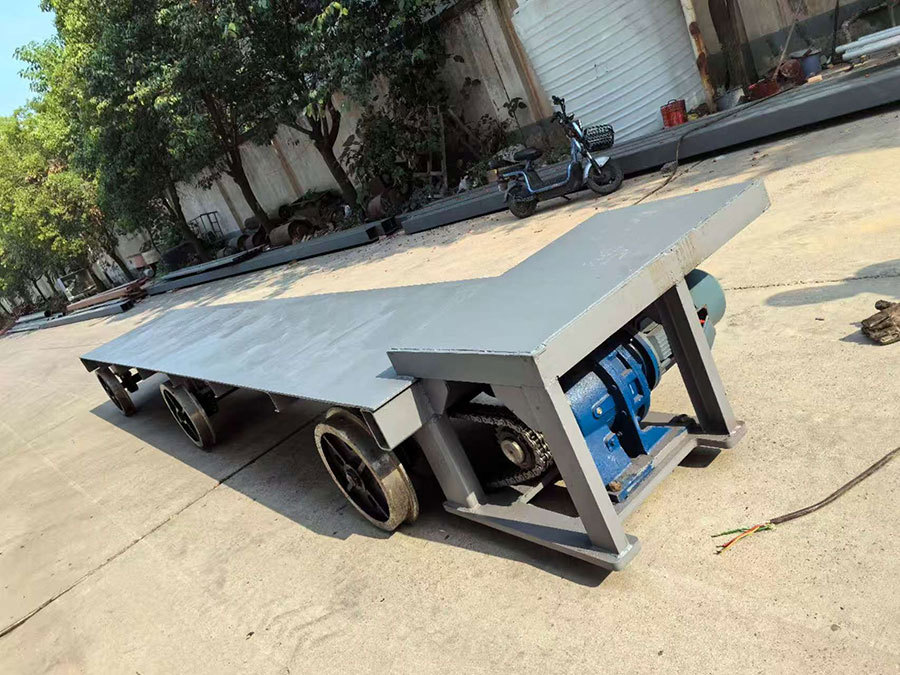
Lead smelting equipment plays a vital role in the processing of lead ores to produce lead metal. This equipment encompasses a range of machinery and tools designed to facilitate various stages of the smelting process, which involves heating and melting lead-containing materials to separate lead from impurities. Understanding the key components and processes involved in lead smelting can significantly enhance operational efficiency and safety.
At the core of lead smelting operations is the smelting furnace, which is specifically designed for high-temperature operations. There are several types of furnaces used, including blast furnaces, electric arc furnaces, and reverberatory furnaces. Each type has its own set of advantages and is chosen based on the specific requirements of the operation. The choice of furnace affects the overall energy consumption, production capacity, and emissions management.
In addition to the furnace, lead smelting equipment includes various auxiliary components such as chargers, which are used to feed raw materials into the furnace, and dust collectors, which play a crucial role in maintaining air quality by capturing particulate matter emitted during the smelting process. Properly functioning dust collectors not only protect the environment but also enhance worker safety.
Another critical component is the cooling system, which is essential for managing the temperature of the molten lead and ensuring that the equipment operates within safe limits. The cooling system helps in the efficient solidification of lead after it has been processed, making it ready for further refining or casting.
Moreover, it is important to emphasize the necessity of routine maintenance for lead smelting equipment. Regular inspections and servicing can prevent unexpected breakdowns, improve efficiency, and extend the lifespan of the machinery. Maintenance should include checking for wear and tear on parts, ensuring that all safety mechanisms are functioning, and calibrating instruments used for monitoring temperature and emissions.
In addition to physical equipment, technology plays a significant role in modern lead smelting operations. Automation and control systems are increasingly integrated into smelting facilities, allowing for real-time monitoring and adjustments to optimize the smelting process. These technological advancements contribute to greater efficiency and reduced environmental impact.
In summary, lead smelting equipment is a complex assembly of various mechanical and technological components designed to facilitate the safe and efficient processing of lead ores. Understanding the structure and function of this equipment, along with the importance of maintenance and technological integration, is crucial for professionals in the industrial equipment and components sector, particularly in the realm of smelting operations. By focusing on these elements, operators can enhance productivity while ensuring compliance with environmental and safety regulations.
At the core of lead smelting operations is the smelting furnace, which is specifically designed for high-temperature operations. There are several types of furnaces used, including blast furnaces, electric arc furnaces, and reverberatory furnaces. Each type has its own set of advantages and is chosen based on the specific requirements of the operation. The choice of furnace affects the overall energy consumption, production capacity, and emissions management.
In addition to the furnace, lead smelting equipment includes various auxiliary components such as chargers, which are used to feed raw materials into the furnace, and dust collectors, which play a crucial role in maintaining air quality by capturing particulate matter emitted during the smelting process. Properly functioning dust collectors not only protect the environment but also enhance worker safety.
Another critical component is the cooling system, which is essential for managing the temperature of the molten lead and ensuring that the equipment operates within safe limits. The cooling system helps in the efficient solidification of lead after it has been processed, making it ready for further refining or casting.
Moreover, it is important to emphasize the necessity of routine maintenance for lead smelting equipment. Regular inspections and servicing can prevent unexpected breakdowns, improve efficiency, and extend the lifespan of the machinery. Maintenance should include checking for wear and tear on parts, ensuring that all safety mechanisms are functioning, and calibrating instruments used for monitoring temperature and emissions.
In addition to physical equipment, technology plays a significant role in modern lead smelting operations. Automation and control systems are increasingly integrated into smelting facilities, allowing for real-time monitoring and adjustments to optimize the smelting process. These technological advancements contribute to greater efficiency and reduced environmental impact.
In summary, lead smelting equipment is a complex assembly of various mechanical and technological components designed to facilitate the safe and efficient processing of lead ores. Understanding the structure and function of this equipment, along with the importance of maintenance and technological integration, is crucial for professionals in the industrial equipment and components sector, particularly in the realm of smelting operations. By focusing on these elements, operators can enhance productivity while ensuring compliance with environmental and safety regulations.
TAG:
Contact Us
Company Email:
962452762@qq.com
Contact Number:
+8615670922562
Company Address:
No. 11 Plant, Tiantan Industrial Park, Huling Industrial Cluster, Jiyuan City

Address: No. 11 Plant, Tiantan Industrial Park, Huling Industrial Cluster, Jiyuan City

Scan with WeChat
Copyright © Xinyu Metallurgical Equipment Co., Ltd.
SAF Coolest v1.3.1.2 设置面板 GAGSE-ZGYF-JXSZE-AED
违禁词: First, best, top-notch, leading, unique, king, leader, leader, ultimate,
无数据提示
Sorry, this column is currently being updated. Please stay tuned!
You can view other columns or returnHomepage