Address: No. 11 Plant, Tiantan Industrial Park, Huling Industrial Cluster, Jiyuan City

Understanding Furnaces for Metal Smelting: A Comprehensive Guide
Jun 20,2026
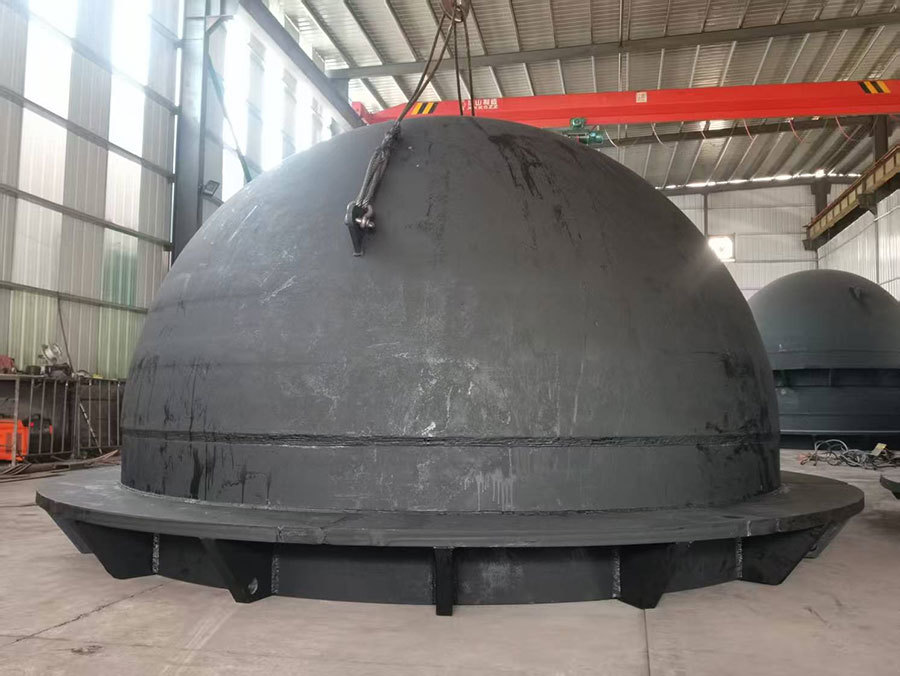
Furnaces for metal smelting are vital components in the metal manufacturing industry, providing the necessary heat to melt various metals for further processing. Understanding the operation, types, and applications of these furnaces can significantly impact production efficiency and metal quality.
There are several types of furnaces used for metal smelting, with each serving unique applications depending on the metal being processed. Common furnace types include induction furnaces, electric arc furnaces, and cupola furnaces. Induction furnaces utilize electromagnetic induction to generate heat, making them efficient and ideal for melting ferrous and non-ferrous metals. Electric arc furnaces, on the other hand, use electrical arcs between electrodes to produce high temperatures, suitable for recycling scrap metals and producing steel. Cupola furnaces are traditionally used in foundries for melting cast iron and operate on a continuous basis, making them suitable for high-volume production.
In addition to the type of furnace, understanding the operational principles is crucial for optimizing metal smelting processes. Key factors to consider include temperature control, fuel type, and the design of the furnace. Proper temperature management ensures that the metal reaches the desired melting point without compromising its quality. Furthermore, the choice of fuel—whether electricity, natural gas, or other sources—can influence production costs and environmental impact.
Safety is also a paramount consideration when operating furnaces for metal smelting. Proper ventilation, protective equipment, and adherence to safety standards are essential to protect workers and prevent accidents. Regular maintenance of the furnace is necessary to ensure efficient operation and minimize downtime, which can lead to production delays.
Moreover, advancements in technology have led to the development of more energy-efficient and environmentally friendly furnace designs. Modern furnaces often incorporate automation and control systems that improve the precision of metal melting processes, resulting in higher product quality and reduced energy consumption.
In conclusion, furnaces for metal smelting are integral to achieving high-quality metal products in the industrial sector. By understanding the various types, operational principles, and safety measures, organizations can enhance their smelting processes. Investing in proper furnace technology and maintenance practices is essential for efficient production and sustainable operations in the metal manufacturing industry.
There are several types of furnaces used for metal smelting, with each serving unique applications depending on the metal being processed. Common furnace types include induction furnaces, electric arc furnaces, and cupola furnaces. Induction furnaces utilize electromagnetic induction to generate heat, making them efficient and ideal for melting ferrous and non-ferrous metals. Electric arc furnaces, on the other hand, use electrical arcs between electrodes to produce high temperatures, suitable for recycling scrap metals and producing steel. Cupola furnaces are traditionally used in foundries for melting cast iron and operate on a continuous basis, making them suitable for high-volume production.
In addition to the type of furnace, understanding the operational principles is crucial for optimizing metal smelting processes. Key factors to consider include temperature control, fuel type, and the design of the furnace. Proper temperature management ensures that the metal reaches the desired melting point without compromising its quality. Furthermore, the choice of fuel—whether electricity, natural gas, or other sources—can influence production costs and environmental impact.
Safety is also a paramount consideration when operating furnaces for metal smelting. Proper ventilation, protective equipment, and adherence to safety standards are essential to protect workers and prevent accidents. Regular maintenance of the furnace is necessary to ensure efficient operation and minimize downtime, which can lead to production delays.
Moreover, advancements in technology have led to the development of more energy-efficient and environmentally friendly furnace designs. Modern furnaces often incorporate automation and control systems that improve the precision of metal melting processes, resulting in higher product quality and reduced energy consumption.
In conclusion, furnaces for metal smelting are integral to achieving high-quality metal products in the industrial sector. By understanding the various types, operational principles, and safety measures, organizations can enhance their smelting processes. Investing in proper furnace technology and maintenance practices is essential for efficient production and sustainable operations in the metal manufacturing industry.
TAG:
Contact Us
Company Email:
962452762@qq.com
Contact Number:
+8615670922562
Company Address:
No. 11 Plant, Tiantan Industrial Park, Huling Industrial Cluster, Jiyuan City

Address: No. 11 Plant, Tiantan Industrial Park, Huling Industrial Cluster, Jiyuan City

Scan with WeChat
Copyright © Xinyu Metallurgical Equipment Co., Ltd.
SAF Coolest v1.3.1.2 设置面板 GAGSE-ZGYF-JXSZE-AED
违禁词: First, best, top-notch, leading, unique, king, leader, leader, ultimate,
无数据提示
Sorry, this column is currently being updated. Please stay tuned!
You can view other columns or returnHomepage