Address: No. 11 Plant, Tiantan Industrial Park, Huling Industrial Cluster, Jiyuan City

Maximizing Productivity: Best Practices for Smelting Plant Equipment Usage
Jun 17,2026
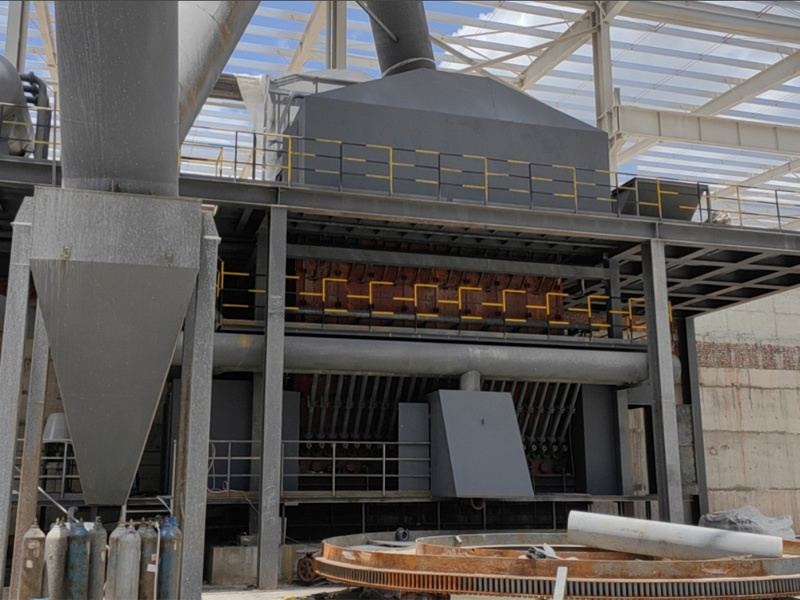
Maximizing Productivity: Best Practices for Smelting Plant Equipment Usage
Table of Contents
- Understanding the Smelting Process
- Importance of Efficient Equipment Usage
- Key Smelting Plant Equipment
- Best Practices for Equipment Maintenance
- Optimizing Process Workflows
- Training and Empowering Employees
- Monitoring and Analytics
- Sustainability in Smelting Operations
- Frequently Asked Questions
- Conclusion
Understanding the Smelting Process
Smelting is a critical industrial process that involves extracting metal from its ore through heating and melting. This process transforms raw materials into valuable metals, making it essential for various industries, including construction, automotive, and electronics. Understanding the intricacies of the smelting process is vital for optimizing productivity, as it lays the groundwork for efficient equipment usage.
The general steps involved in smelting include:
- **Ore Preparation**: Crushing and grinding ore to increase the surface area for effective extraction.
- **Concentration**: Separating impurities to enhance the purity of the desired metal.
- **Reduction**: Using heat and chemical reactions to extract metal from its ore.
- **Refining**: Further purifying the extracted metal to meet industry standards.
Each step demands specific equipment that, when used correctly, can enhance overall productivity.
Importance of Efficient Equipment Usage
Efficient usage of smelting equipment directly impacts the operational cost, output quality, and the plant's overall productivity. When equipment is employed effectively, plants can achieve:
- **Increased Output**: Consistent, high-quality production reduces downtime and maximizes throughput.
- **Cost Reduction**: Effective equipment usage minimizes waste and lowers energy costs, contributing to improved profit margins.
- **Enhanced Safety**: Properly maintained and efficiently operated equipment leads to a safer working environment, reducing accidents and injuries.
Thus, understanding and implementing best practices for equipment usage is not only beneficial but critical for success in the smelting industry.
Key Smelting Plant Equipment
In a smelting plant, various equipment plays a crucial role in the overall process. Some of the key types include:
1. Furnaces
Furnaces are the heart of the smelting process. They provide the necessary heat to melt metals and facilitate chemical reactions. The choice of furnace—whether electric, blast, or induction—can significantly affect efficiency and output.
2. Crushers and Grinders
These machines are essential for preparing ores for smelting. Efficient crushing and grinding ensure the material is adequately reduced to the right size, promoting effective extraction.
3. Conveyors
Conveyor systems transport materials throughout the plant. Optimizing their usage can enhance workflow and reduce manual handling, contributing to overall productivity.
4. Cooling Systems
Once metals are smelted, cooling systems are crucial for solidifying the product. Efficient cooling ensures the structural integrity of the final product and reduces bottlenecks in production.
5. Pollution Control Equipment
With increasing environmental regulations, pollution control equipment is essential. Such systems not only ensure compliance but also optimize processes by recycling waste materials.
Best Practices for Equipment Maintenance
Regular maintenance is paramount for maximizing equipment lifespan and ensuring optimal performance. Implement the following best practices:
1. Scheduled Maintenance
Establish a routine maintenance schedule to inspect and service equipment. This proactive approach can prevent unexpected breakdowns that lead to costly downtime.
2. Real-Time Monitoring
Utilize technology to monitor equipment performance in real-time. Sensors and smart technology can detect anomalies, allowing for immediate intervention and minimizing disruptions.
3. Training Staff
Ensure that your operators are well-trained in the correct usage and maintenance of the equipment. Knowledgeable staff can identify potential problems early and maintain operational efficiency.
4. Spare Parts Management
Maintain an inventory of critical spare parts to minimize downtime during repairs. Quick access to necessary components allows for faster repairs and less disruption to the smelting process.
Optimizing Process Workflows
Streamlining workflows is essential to enhance productivity in smelting operations. Implement the following strategies to optimize processes:
1. Lean Manufacturing Principles
Adopt lean manufacturing principles to eliminate waste and improve efficiency. This approach focuses on continuous improvement and value creation, enhancing overall productivity.
2. Workflow Mapping
Create detailed workflow maps to visualize processes. Identifying bottlenecks and redundancies can help refine operations and enhance productivity.
3. Automation
Investing in automation can dramatically improve process efficiency. Automated systems can enhance precision, minimize human error, and allow for 24/7 operation, leading to higher output.
Training and Empowering Employees
A skilled workforce is crucial for maximizing productivity. Focus on the following aspects:
1. Continuous Training
Offer ongoing training programs to keep employees updated on best practices and new technologies. A well-informed workforce is more efficient and can adapt to changes quickly.
2. Employee Empowerment
Encourage employees to take ownership of their roles. Empowering them to make decisions enhances job satisfaction and leads to productivity gains.
3. Cross-Training
Implement cross-training programs that enable employees to learn multiple roles. This flexibility ensures that operations can continue smoothly, even during staff shortages.
Monitoring and Analytics
Data plays a significant role in optimizing smelting processes. Leverage analytics to enhance productivity:
1. Performance Metrics
Identify key performance indicators (KPIs) relevant to your operations. Monitoring these metrics can provide insights into efficiency and areas for improvement.
2. Data-Driven Decisions
Utilize data analytics to inform decision-making. Analyzing historical data can reveal trends and guide strategic improvements, leading to enhanced productivity.
3. Reporting Systems
Develop a robust reporting system to track progress on initiatives aimed at boosting productivity. Regular reports can highlight successes and areas needing attention.
Sustainability in Smelting Operations
Sustainability is becoming increasingly important in today's industrial landscape. Implement the following practices to promote sustainability while maximizing productivity:
1. Energy Efficiency
Invest in energy-efficient equipment and practices. Reducing energy consumption lowers operational costs and minimizes environmental impact.
2. Waste Recycling
Implement recycling programs for waste materials generated during the smelting process. Recycling not only reduces waste but can also lead to cost savings through reduced raw material needs.
3. Emission Control
Invest in technologies that reduce emissions. Complying with environmental regulations not only avoids penalties but also enhances the company’s reputation.
Frequently Asked Questions
1. What is the primary purpose of smelting?
The primary purpose of smelting is to extract metal from its ore through heating and chemical processes, transforming raw materials into usable metals.
2. How can equipment maintenance affect productivity?
Regular maintenance ensures that equipment operates at peak efficiency, reducing downtime and enhancing the overall output of the smelting process.
3. What role does employee training play in smelting operations?
Training equips employees with the necessary skills to operate equipment effectively and handle processes efficiently, directly impacting productivity.
4. How can automation improve smelting processes?
Automation can enhance precision, reduce human error, and enable round-the-clock operations, leading to increased output and efficiency.
5. What are some sustainability practices in smelting?
Sustainability practices in smelting include energy efficiency, waste recycling, and emission control to reduce environmental impact and promote responsible operations.
Conclusion
Maximizing productivity in smelting operations requires a multifaceted approach that encompasses efficient equipment usage, regular maintenance, and employee empowerment. By understanding the smelting process and implementing best practices, industrial facilities can not only enhance their operational efficiency but also position themselves competitively in the market. Embracing technology and sustainability further enriches these efforts, ensuring that smelting plants are not just productive but also responsible stewards of resources. With a commitment to continuous improvement, the potential for operational excellence is limitless.
TAG:
Contact Us
Company Email:
962452762@qq.com
Contact Number:
+8615670922562
Company Address:
No. 11 Plant, Tiantan Industrial Park, Huling Industrial Cluster, Jiyuan City

Address: No. 11 Plant, Tiantan Industrial Park, Huling Industrial Cluster, Jiyuan City

Scan with WeChat
Copyright © Xinyu Metallurgical Equipment Co., Ltd.
SAF Coolest v1.3.1.2 设置面板 GAGSE-ZGYF-JXSZE-AED
违禁词: First, best, top-notch, leading, unique, king, leader, leader, ultimate,
无数据提示
Sorry, this column is currently being updated. Please stay tuned!
You can view other columns or returnHomepage