Address: No. 11 Plant, Tiantan Industrial Park, Huling Industrial Cluster, Jiyuan City

E-Waste Management: The Impact of Copper Recovery Furnaces on the Environment
Jun 23,2026
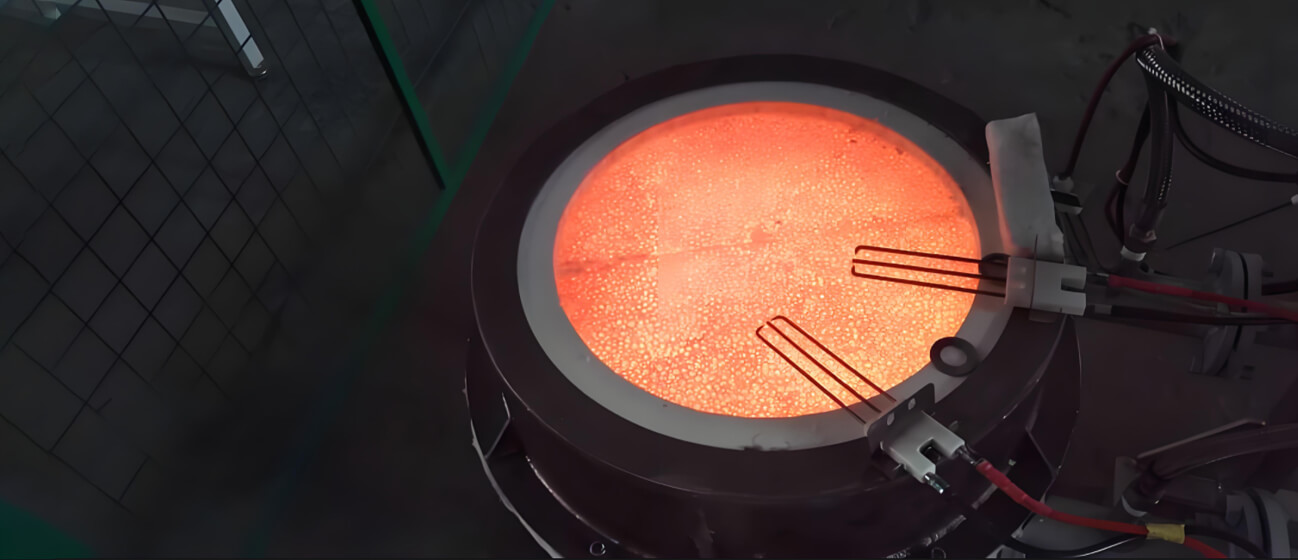
E-Waste Management: The Impact of Copper Recovery Furnaces on the Environment
Table of Contents
- Introduction to E-Waste Management
- Understanding E-Waste: What It Is and Why It Matters
- Copper Recovery Furnaces: An Overview
- The Environmental Impact of Copper Recovery Furnaces
- Advantages of Using Copper Recovery Furnaces
- Challenges in E-Waste Management and Sustainable Solutions
- The Future of E-Waste Management
- Conclusion
- Frequently Asked Questions
Introduction to E-Waste Management
As the digital world continues to expand, so does the issue of electronic waste, commonly known as e-waste. E-waste consists of discarded electrical or electronic devices, which can vary from computers and smartphones to household appliances. The improper disposal of these items poses significant risks to our environment and health. Thus, effective **e-waste management** is crucial for achieving sustainability. One pivotal method within this management is the utilization of **copper recovery furnaces**, which play a significant role in extracting valuable materials from e-waste while minimizing environmental damage.
Understanding E-Waste: What It Is and Why It Matters
E-waste is characterized by its rapid production and disposal rates, with millions of tons generated annually. This waste often contains hazardous materials, such as lead, mercury, and cadmium, which can leach into soil and water, leading to severe environmental degradation. Understanding the composition and implications of e-waste is essential in developing effective recycling and recovery strategies.
The increasing reliance on technology fuels the e-waste crisis. As gadgets become outdated quickly due to rapid advancements, it is crucial to appreciate the environmental footprint of e-waste. Effective e-waste management not only conserves resources but also helps protect ecosystems from toxic pollutants.
Copper Recovery Furnaces: An Overview
Copper recovery furnaces are specialized industrial equipment designed to extract copper from e-waste. The process involves heating e-waste materials to high temperatures, allowing for the separation and recovery of copper and other valuable metals. These furnaces are engineered to operate efficiently, ensuring minimal emissions while maximizing recovery rates.
There are different types of copper recovery furnaces, including rotary kilns, electric arc furnaces, and induction furnaces. Each type presents unique advantages and operates under specific conditions suited to the material being processed. The choice of furnace type can significantly impact recovery efficiency and environmental safety.
How Copper Recovery Furnaces Operate
The operation of copper recovery furnaces involves several key steps:
1. **Shredding and Sorting**: E-waste is first shredded and sorted to separate metals from non-metal parts.
2. **Heating**: The sorted materials are then fed into the furnace, where they are subjected to high temperatures, often exceeding 1,200 degrees Celsius.
3. **Recovery**: As the materials melt, copper separates from impurities and can be collected for reuse.
4. **Emission Control**: Modern furnaces incorporate advanced technologies to control emissions, reducing the environmental impact of the recovery process.
The Environmental Impact of Copper Recovery Furnaces
The environmental implications of using copper recovery furnaces are multifaceted. On one hand, these furnaces can significantly reduce the volume of e-waste that ends up in landfills, thereby decreasing the potential for harmful leachate. On the other hand, the process can produce emissions that, if not properly managed, may contribute to air pollution.
Emission Management
Advanced copper recovery furnaces are equipped with emission control systems designed to capture harmful gases and particulate matter. These systems can include:
- **Bag Filters**: To remove particulates from exhaust gases.
- **Scrubbers**: To neutralize acidic gases and prevent them from entering the atmosphere.
- **Catalytic Converters**: To reduce harmful emissions like nitrogen oxides.
By implementing these technologies, the environmental footprint of copper recovery operations can be minimized, allowing for sustainable practices in e-waste management.
Advantages of Using Copper Recovery Furnaces
The adoption of copper recovery furnaces in e-waste management presents several benefits:
1. Resource Conservation
Copper recovery furnaces enable the efficient extraction of copper, reducing the need for virgin ore mining. This conservation of natural resources is essential for sustainable development.
2. Economic Benefits
The recovery of valuable metals from e-waste can significantly contribute to the economy. By recycling copper and other metals, businesses can generate revenue while reducing operational costs associated with raw material procurement.
3. Environmental Protection
Properly managed copper recovery processes minimize environmental pollution, protecting soil and water resources. By diverting e-waste from landfills, these furnaces play a crucial role in mitigating the adverse effects of electronic waste.
4. Innovation and Technology Advancement
The evolution of copper recovery technology fosters innovation in the recycling sector. As new methods and equipment are developed, the efficiency and sustainability of e-waste management continue to improve.
Challenges in E-Waste Management and Sustainable Solutions
While copper recovery furnaces offer numerous advantages, several challenges persist in the realm of e-waste management.
1. Complex Material Composition
E-waste comprises a diverse array of materials, making separation and recovery challenging. Advanced sorting technologies must be developed to enhance the efficiency of the recovery process.
2. Regulation and Compliance
Navigating the regulatory landscape surrounding e-waste can be complex. Companies must stay informed about local and international guidelines to ensure compliance and avoid penalties.
3. Public Awareness and Education
Raising awareness about the importance of e-waste recycling and the role of copper recovery furnaces is essential. Public education campaigns can help promote responsible disposal practices and support sustainable e-waste management.
4. Technological Investment
Investing in state-of-the-art recovery technology can be costly, but it is crucial for optimizing efficiency and minimizing environmental impact. Government incentives and public-private partnerships can help alleviate financial burdens.
The Future of E-Waste Management
The future of e-waste management lies in the continued advancement of technologies, including copper recovery furnaces. As awareness of e-waste issues grows, we can expect an increase in investment and innovation in this sector.
Emerging technologies, such as artificial intelligence and machine learning, hold the potential to revolutionize sorting and recovery processes. These advancements can lead to more efficient recycling, maximizing recovery rates and further minimizing environmental impacts.
Moreover, as global initiatives to promote circular economy practices gain momentum, the role of copper recovery in e-waste management will become increasingly vital. By fostering collaboration among stakeholders, including manufacturers, recyclers, and policymakers, we can create a sustainable future for electronic waste.
Conclusion
In conclusion, copper recovery furnaces represent a critical component in the management of e-waste, providing an effective solution for extracting valuable materials while mitigating environmental impacts. As the world grapples with the growing challenge of electronic waste, the importance of sustainable practices, advanced technologies, and public awareness cannot be overstated. By embracing these strategies, we can pave the way for a healthier planet and a more sustainable future in e-waste management.
Frequently Asked Questions
1. What is e-waste?
E-waste refers to discarded electrical or electronic devices, including computers, smartphones, and appliances, which can contain hazardous materials and valuable metals.
2. How do copper recovery furnaces work?
Copper recovery furnaces work by heating e-waste materials to high temperatures, allowing for the separation and recovery of copper and other metals, while minimizing emissions through advanced technology.
3. What are the environmental benefits of copper recovery?
Copper recovery reduces the volume of e-waste in landfills, conserves natural resources, and minimizes pollution through efficient recycling processes.
4. What challenges exist in e-waste management?
Challenges include complex material composition, regulatory compliance, public awareness, and the need for technological investment.
5. What is the future of e-waste management?
The future lies in technological advancements, increased collaboration among stakeholders, and a growing emphasis on circular economy practices to promote sustainability in electronics recycling.
TAG:
Contact Us
Company Email:
962452762@qq.com
Contact Number:
+8615670922562
Company Address:
No. 11 Plant, Tiantan Industrial Park, Huling Industrial Cluster, Jiyuan City

Address: No. 11 Plant, Tiantan Industrial Park, Huling Industrial Cluster, Jiyuan City

Scan with WeChat
Copyright © Xinyu Metallurgical Equipment Co., Ltd.
SAF Coolest v1.3.1.2 设置面板 GAGSE-ZGYF-JXSZE-AED
违禁词: First, best, top-notch, leading, unique, king, leader, leader, ultimate,
无数据提示
Sorry, this column is currently being updated. Please stay tuned!
You can view other columns or returnHomepage