Address: No. 11 Plant, Tiantan Industrial Park, Huling Industrial Cluster, Jiyuan City

Why Copper Recovery Furnaces are Crucial for E-Waste Processing
Feb 07,2026
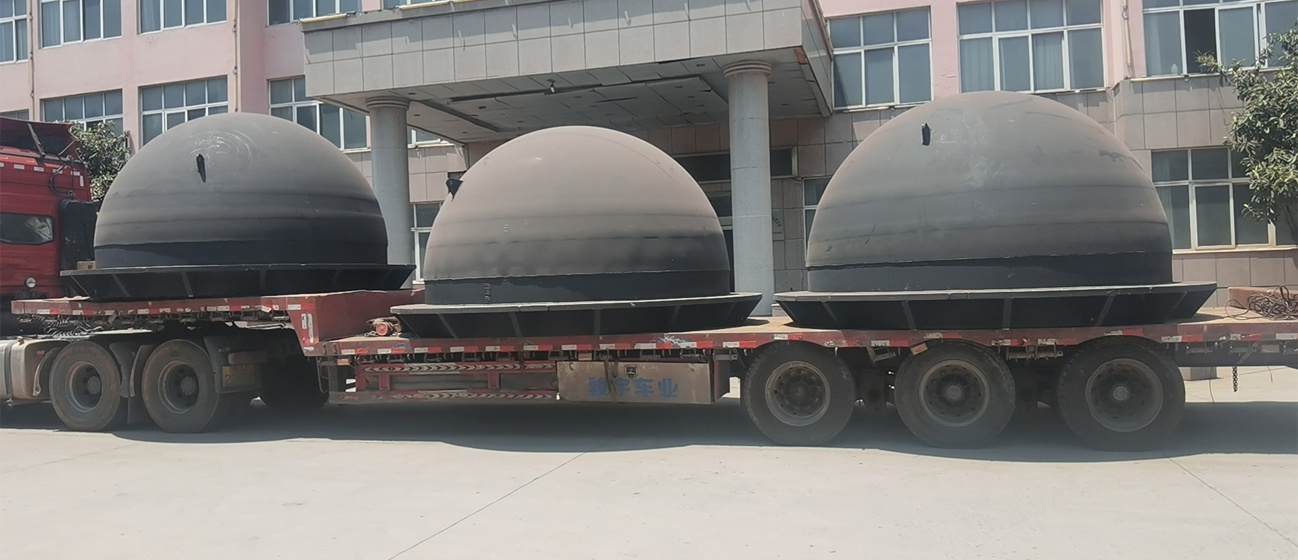
Why Copper Recovery Furnaces are Crucial for E-Waste Processing
Introduction: The Rise of E-Waste and the Need for Efficient Processing
In today's digital world, electronic waste, or e-waste, has emerged as one of the fastest-growing waste streams globally. With consumers constantly upgrading their devices, the disposal of outdated electronics poses significant environmental challenges. **Copper recovery furnaces** have become a cornerstone in managing this waste, offering an efficient means to reclaim valuable metals while ensuring eco-friendly practices in industrial processes.
The Importance of E-Waste Management
As technology advances, the amount of e-waste generated continues to soar. In 2021 alone, the world produced over 57 million metric tons of e-waste, according to the Global E-Waste Monitor. This staggering figure underlines the urgent need for effective recycling and recovery methods. E-waste contains precious metals like copper, gold, and silver, making it a valuable resource. However, improper disposal can lead to severe environmental pollution and health hazards.
Understanding Copper Recovery Furnaces
Copper recovery furnaces are specialized industrial machines designed to extract copper from e-waste through processes that involve melting and refining. By understanding how these furnaces operate, we can appreciate their crucial role in sustainable e-waste processing.
How Copper Recovery Furnaces Work
The operation of copper recovery furnaces involves several key steps:
1. **Collection and Sorting**: E-waste is collected from various sources and sorted based on material composition. This initial step is critical for ensuring the efficient recovery of metals.
2. **Shredding**: The sorted e-waste is shredded into smaller pieces to facilitate easier processing. This increases the surface area for the melting process, enhancing efficiency.
3. **Melting**: The shredded materials are fed into the furnace, where they are subjected to high temperatures. Copper, being a metal with a lower melting point compared to many other components in e-waste, liquefies, allowing it to be separated from non-metallic materials.
4. **Refining**: Once melted, the copper undergoes a refining process to remove impurities, resulting in high-purity copper that can be reused in various applications.
5. **Recovery of By-products**: In addition to copper, the furnaces can also recover other valuable metals and materials, thus maximizing resource efficiency.
Types of Copper Recovery Furnaces
Various types of copper recovery furnaces cater to different processing needs. Here are some prominent examples:
- **Rotary Furnaces**: These are versatile and capable of processing a wide range of e-waste materials. Their design allows for even heating and efficient metal recovery.
- **Induction Furnaces**: Utilizing electromagnetic induction, these furnaces provide precise temperature control, making them ideal for high-quality metal recovery.
- **Cupola Furnaces**: These traditional furnaces are effective for larger-scale operations and are often used in foundries for metal recycling.
The Environmental and Economic Benefits of Copper Recovery Furnaces
Utilizing copper recovery furnaces for e-waste processing presents numerous environmental and economic benefits that contribute to sustainable industrial practices.
Reducing Environmental Impact
E-waste contains hazardous substances, including lead, mercury, and cadmium, which can leach into soil and water if not handled properly. Copper recovery furnaces minimize this risk by ensuring that e-waste is processed safely and responsibly. By recycling copper and other metals, we also reduce the need for mining new materials, which can deplete natural resources and damage ecosystems.
Enhancing Resource Efficiency
The extraction of copper from recycled materials requires significantly less energy compared to mining and refining virgin copper. This efficiency not only conserves energy but also reduces greenhouse gas emissions, contributing to climate change mitigation. The World Economic Forum estimates that recycling metals could save up to 95% of the energy required for primary production.
Economic Viability of Recycling
Investing in copper recovery furnaces can be economically beneficial for businesses engaged in e-waste recycling. The rising demand for recycled metals creates opportunities for profitable ventures. By tapping into this market, companies can generate revenue while contributing to sustainable practices.
The Role of Technology in E-Waste Processing
Advancements in technology have significantly improved the efficiency and effectiveness of copper recovery furnaces.
Innovative Technologies in Copper Recovery
Modern copper recovery furnaces are equipped with state-of-the-art technologies, including:
- **Automation**: Automating the melting and refining processes enhances efficiency, reduces labor costs, and minimizes human error.
- **Real-time Monitoring**: Advanced monitoring systems allow for real-time tracking of the melting process, ensuring optimal conditions are maintained for maximum recovery efficiency.
- **Emission Control Systems**: These systems reduce the release of harmful pollutants into the atmosphere, ensuring compliance with environmental regulations and promoting cleaner operations.
Challenges in E-Waste Processing and How to Overcome Them
Despite the benefits, e-waste processing faces several challenges that need to be addressed.
Challenges in the E-Waste Sector
1. **Regulatory Compliance**: Stricter regulations surrounding e-waste disposal can pose challenges for businesses. Understanding and adhering to these regulations is essential for successful operations.
2. **Technological Investment**: The cost of advanced copper recovery furnaces can be high, deterring some companies from investing in this essential technology.
3. **Public Awareness**: Many consumers are unaware of the importance of recycling e-waste, leading to improper disposal. Educational initiatives can help raise awareness and encourage responsible recycling practices.
Strategies for Effective E-Waste Management
To overcome these challenges, businesses can:
- Invest in educational campaigns to inform the public about the importance of e-waste recycling.
- Collaborate with regulatory bodies to stay compliant with e-waste management standards.
- Explore partnerships with technology providers to leverage innovative solutions without incurring prohibitive costs.
The Future of Copper Recovery in E-Waste Processing
As the e-waste crisis continues to grow, the future of copper recovery furnaces looks promising. The increasing emphasis on sustainability and circular economy principles will drive innovations in this field.
Emerging Trends in E-Waste Recycling
1. **Circular Economy Models**: More businesses are adopting circular economy principles, emphasizing the reuse and recycling of materials. Copper recovery furnaces will play a key role in these models.
2. **Advanced Materials Recovery**: Research into further recovering valuable materials beyond copper is ongoing, with potential for significant advancements in the coming years.
3. **Smart Recycling Solutions**: The integration of IoT and AI technologies can lead to smarter recycling processes, optimizing efficiency and recovery rates.
Conclusion: The Indispensable Role of Copper Recovery Furnaces
Copper recovery furnaces are more than just machines; they are essential tools for addressing the challenges posed by e-waste. They play a crucial role in reclaiming valuable metals, reducing environmental impact, and supporting sustainable industrial practices. As we navigate the complexities of electronic waste management, the importance of these furnaces cannot be overstated. By investing in copper recovery technology and promoting responsible recycling, we can make significant strides towards a greener, more sustainable future.
FAQs
1. What materials can be processed in copper recovery furnaces?
Copper recovery furnaces can process a variety of e-waste materials, including circuit boards, cables, and electronic components.
2. How does recycling copper benefit the environment?
Recycling copper significantly reduces energy consumption compared to mining new copper, conserves natural resources, and minimizes pollution.
3. Are there health risks associated with e-waste disposal?
Yes, improper disposal of e-waste can expose individuals to hazardous substances, leading to health risks such as respiratory issues and environmental contamination.
4. What is the economic impact of e-waste recycling?
E-waste recycling can create job opportunities, generate revenue from recovered materials, and reduce the costs associated with waste management.
5. How can consumers contribute to responsible e-waste disposal?
Consumers can contribute by properly recycling their old electronics at designated facilities and staying informed about local e-waste recycling programs.
TAG:
Contact Us
Company Email:
962452762@qq.com
Contact Number:
+8615670922562
Company Address:
No. 11 Plant, Tiantan Industrial Park, Huling Industrial Cluster, Jiyuan City

Address: No. 11 Plant, Tiantan Industrial Park, Huling Industrial Cluster, Jiyuan City

Scan with WeChat
Copyright © Xinyu Metallurgical Equipment Co., Ltd.
SAF Coolest v1.3.1.2 设置面板 GAGSE-ZGYF-JXSZE-AED
违禁词: First, best, top-notch, leading, unique, king, leader, leader, ultimate,
无数据提示
Sorry, this column is currently being updated. Please stay tuned!
You can view other columns or returnHomepage