Address: No. 11 Plant, Tiantan Industrial Park, Huling Industrial Cluster, Jiyuan City

Understanding Furnaces for Metal Smelting: A Comprehensive Guide
Feb 04,2026
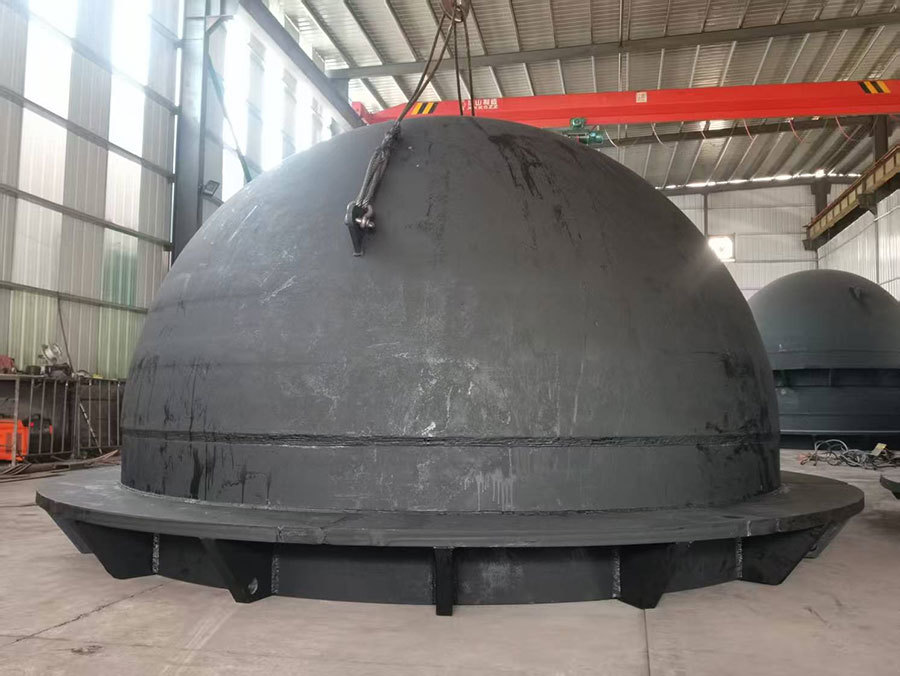
Furnaces for metal smelting play a crucial role in the metallurgy industry, providing the necessary heat to melt various metals for manufacturing and recycling processes. These specialized furnaces are designed to withstand extremely high temperatures, enabling the efficient transformation of solid metal ores into molten forms that can be further processed into various products.
There are several types of furnaces used for metal smelting, each suited to specific applications and materials. Common types include induction furnaces, electric arc furnaces, and blast furnaces. Induction furnaces utilize electromagnetic fields to heat and melt metals, offering precise temperature control and energy efficiency. Electric arc furnaces, on the other hand, generate heat through electric arcs between electrodes and the metal charge, making them ideal for recycling scrap metals. Blast furnaces are typically used for extracting iron from its ore and are known for their large-scale production capabilities.
When selecting a furnace for metal smelting, several factors should be taken into consideration. First, the type of metal being processed is crucial, as different metals require specific melting temperatures and techniques. For example, aluminum has a lower melting point compared to iron, so selecting a suitable furnace type that can efficiently handle the specific metal is essential.
Energy efficiency and operational costs are other important aspects to evaluate. Different furnaces have varying energy requirements, which can significantly affect overall production costs. It is advisable to choose a furnace that not only meets the production demand but also operates efficiently to minimize energy usage.
Safety is another critical factor when it comes to metal smelting. Furnaces operate at extremely high temperatures, and proper safety measures must be implemented to protect operators and surrounding environments. This includes ensuring adequate ventilation, protective equipment, and emergency response plans are in place.
In addition to the furnace itself, associated components such as refractory materials, cooling systems, and control systems also play a vital role in the smelting process. Refractory materials are used to line the furnace, providing insulation and protecting against corrosion. Cooling systems help maintain optimal temperatures during operation, while advanced control systems enable precise monitoring and adjustments to ensure consistent quality in the smelting process.
In summary, furnaces for metal smelting are integral to the production and recycling of metals in the industrial sector. Understanding the different types, their operational mechanisms, and key considerations when selecting a furnace can significantly enhance efficiency and safety in metallurgical processes. Whether for large-scale production or smaller recycling operations, choosing the right furnace is crucial for achieving optimal results.
There are several types of furnaces used for metal smelting, each suited to specific applications and materials. Common types include induction furnaces, electric arc furnaces, and blast furnaces. Induction furnaces utilize electromagnetic fields to heat and melt metals, offering precise temperature control and energy efficiency. Electric arc furnaces, on the other hand, generate heat through electric arcs between electrodes and the metal charge, making them ideal for recycling scrap metals. Blast furnaces are typically used for extracting iron from its ore and are known for their large-scale production capabilities.
When selecting a furnace for metal smelting, several factors should be taken into consideration. First, the type of metal being processed is crucial, as different metals require specific melting temperatures and techniques. For example, aluminum has a lower melting point compared to iron, so selecting a suitable furnace type that can efficiently handle the specific metal is essential.
Energy efficiency and operational costs are other important aspects to evaluate. Different furnaces have varying energy requirements, which can significantly affect overall production costs. It is advisable to choose a furnace that not only meets the production demand but also operates efficiently to minimize energy usage.
Safety is another critical factor when it comes to metal smelting. Furnaces operate at extremely high temperatures, and proper safety measures must be implemented to protect operators and surrounding environments. This includes ensuring adequate ventilation, protective equipment, and emergency response plans are in place.
In addition to the furnace itself, associated components such as refractory materials, cooling systems, and control systems also play a vital role in the smelting process. Refractory materials are used to line the furnace, providing insulation and protecting against corrosion. Cooling systems help maintain optimal temperatures during operation, while advanced control systems enable precise monitoring and adjustments to ensure consistent quality in the smelting process.
In summary, furnaces for metal smelting are integral to the production and recycling of metals in the industrial sector. Understanding the different types, their operational mechanisms, and key considerations when selecting a furnace can significantly enhance efficiency and safety in metallurgical processes. Whether for large-scale production or smaller recycling operations, choosing the right furnace is crucial for achieving optimal results.
TAG:
Contact Us
Company Email:
962452762@qq.com
Contact Number:
+8615670922562
Company Address:
No. 11 Plant, Tiantan Industrial Park, Huling Industrial Cluster, Jiyuan City

Address: No. 11 Plant, Tiantan Industrial Park, Huling Industrial Cluster, Jiyuan City

Scan with WeChat
Copyright © Xinyu Metallurgical Equipment Co., Ltd.
SAF Coolest v1.3.1.2 设置面板 GAGSE-ZGYF-JXSZE-AED
违禁词: First, best, top-notch, leading, unique, king, leader, leader, ultimate,
无数据提示
Sorry, this column is currently being updated. Please stay tuned!
You can view other columns or returnHomepage