Address: No. 11 Plant, Tiantan Industrial Park, Huling Industrial Cluster, Jiyuan City

Unlocking Efficiency: The Essential Components of Smelting Plant Equipment
Feb 01,2026
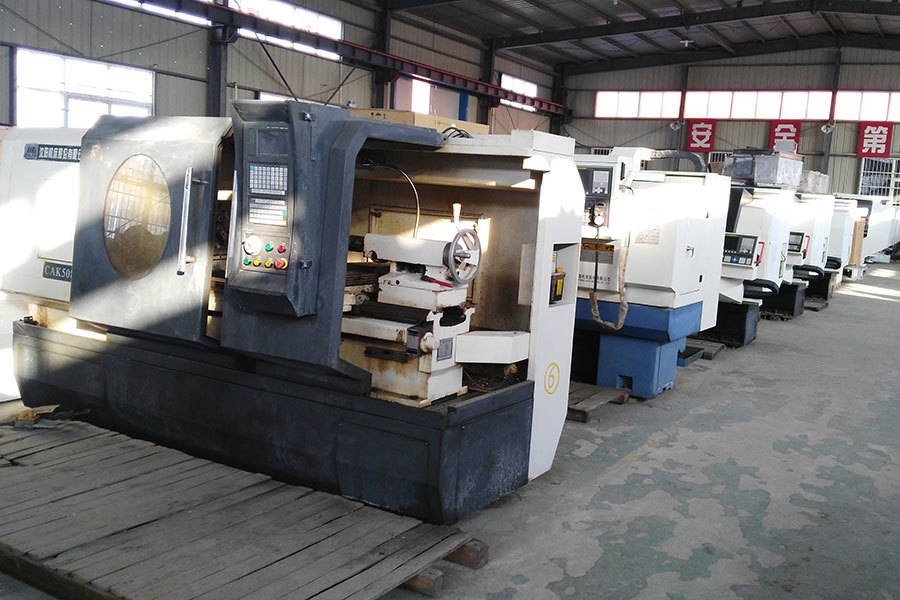
Unlocking Efficiency: The Essential Components of Smelting Plant Equipment
Table of Contents
- Introduction to Smelting Plant Equipment
- The Importance of Efficient Smelting Equipment
- Key Components of Smelting Plant Equipment
- 1.1 Smelting Furnaces
- 1.2 Refractories and Insulation
- 1.3 Cooling Systems
- 1.4 Control Systems and Automation
- 1.5 Material Handling Equipment
- Regular Maintenance Practices for Smelting Equipment
- Enhancing Energy Efficiency in Smelting Plants
- Case Studies on Smelting Equipment Efficiency
- Future Trends in Smelting Technology
- Conclusion
- Frequently Asked Questions
Introduction to Smelting Plant Equipment
Smelting is a critical process in the metallurgy industry, transforming raw ores into metals through the application of heat. At the heart of this process lies a range of sophisticated equipment designed to optimize efficiency and ensure high-quality outputs. Understanding the essential components of smelting plant equipment not only enhances operational effectiveness but also contributes to sustainable practices within the industry.
The Importance of Efficient Smelting Equipment
In today's competitive industrial landscape, efficiency is paramount. Smelting plants face the challenge of maximizing production while minimizing costs and environmental impact. Efficient smelting equipment is essential for:
- Reducing Energy Consumption: Energy-intensive processes can significantly inflate operational costs. Efficient equipment helps in lowering energy usage.
- Enhancing Product Quality: The quality of the final metal product is heavily reliant on the effective functioning of smelting equipment.
- Minimizing Downtime: Well-designed components reduce maintenance needs and operational interruptions.
- Improving Safety Standards: Modern equipment incorporates safety features that protect workers and the environment.
Key Components of Smelting Plant Equipment
1.1 Smelting Furnaces
Smelting furnaces are the cornerstone of any smelting operation. They are responsible for melting the ore and facilitating the chemical reactions needed to separate metal from impurities. There are various types of furnaces, including:
- Blast Furnaces: These are commonly used for iron and steel production, relying on air injection to support combustion.
- Electric Arc Furnaces: Ideal for recycling scrap metal, these furnaces utilize electric arcs to generate heat.
- Induction Furnaces: These employ electromagnetic induction to melt metals and are noted for their energy efficiency.
The choice of furnace impacts not just the efficiency of the smelting process but also the overall energy consumption and emissions.
1.2 Refractories and Insulation
Refractories are materials capable of withstanding high temperatures and play a vital role in protecting the furnace structure. Their effectiveness directly influences energy efficiency and operational safety. Insulation materials also contribute by minimizing heat loss, which is crucial for maintaining the desired temperature within the furnace. Upgrading to high-performance refractories can lead to significant long-term savings and improved operational resilience.
1.3 Cooling Systems
Cooling systems are essential in controlling the temperature of smelting equipment, preventing overheating and ensuring a stable operational environment. They also play a crucial role in the recovery of heat energy, which can be repurposed for other processes within the plant, enhancing overall energy efficiency. Key components of cooling systems include:
- Water Cooling Systems: These systems utilize water to dissipate heat, often through cooling towers.
- Air Cooling Systems: Utilized in environments where water is scarce, these systems rely on air circulation to reduce temperatures.
1.4 Control Systems and Automation
Advanced control systems are pivotal in modern smelting operations. They monitor and regulate all aspects of the smelting process, providing real-time data that helps in making informed decisions. Automation technologies, including IoT (Internet of Things) devices, enhance operational efficiency by allowing for remote monitoring and control, minimizing human error, and improving response times to any operational issues that may arise.
1.5 Material Handling Equipment
Material handling equipment is essential for the seamless movement of raw materials and finished products throughout the smelting plant. Efficient handling systems reduce the risk of product contamination and damage while improving workflow. Key equipment includes:
- Conveyors: These are used for transporting materials quickly and efficiently.
- Forklifts and Cranes: Critical for the loading and unloading of heavy materials.
- Hoppers: Used for storing and dispensing bulk materials as needed.
Regular Maintenance Practices for Smelting Equipment
To ensure the longevity and efficiency of smelting plant equipment, regular maintenance is essential. Implementing a predictive maintenance strategy can significantly reduce downtime and operational costs. Key maintenance practices include:
- Routine Inspections: Regular checks on critical components to identify wear and tear.
- Lubrication: Ensuring all moving parts are adequately lubricated to prevent friction and overheating.
- Prompt Repairs: Addressing issues as they arise instead of allowing them to escalate into significant problems.
Enhancing Energy Efficiency in Smelting Plants
Energy efficiency is a critical focus for smelting operations. Several strategies can be implemented to enhance energy usage, including:
- Utilizing Waste Heat Recovery Systems: These systems capture excess heat from smelting processes and repurpose it for heating or electricity generation.
- Investing in Energy-Efficient Equipment: Upgrading to modern, energy-efficient machines can lead to substantial reductions in energy costs.
- Implementing Smart Technologies: Using monitoring systems to track energy consumption and identify areas for improvement.
Case Studies on Smelting Equipment Efficiency
Real-world applications of enhanced smelting equipment illustrate the potential benefits of modernizing operations. For instance, a steel smelting plant that integrated a new electric arc furnace technology reported a 30% reduction in energy consumption and a 25% increase in production capacity. Such case studies highlight the importance of investing in innovative technologies to drive efficiency and remain competitive.
Future Trends in Smelting Technology
The smelting industry is on the brink of a technological revolution, with emerging trends shaping its future. Key trends include:
- Increased Automation: Expect further advancements in automation technologies to enhance operational efficiencies.
- Green Smelting Technologies: Innovations aimed at reducing carbon footprints and improving sustainability will gain prominence.
- Integration of AI: Artificial intelligence will play a greater role in optimizing smelting processes and predictive maintenance.
Conclusion
Unlocking efficiency in smelting plant equipment is critical for enhancing productivity and sustainability in the metallurgy industry. By understanding the essential components and investing in modern technologies and maintenance practices, smelting operations can significantly improve performance and reduce costs. As the industry evolves, staying informed about the latest advancements and trends will be key to maintaining a competitive edge.
Frequently Asked Questions
1. What is the role of smelting furnaces in the smelting process?
Smelting furnaces are utilized to melt metal ores and facilitate the chemical reactions necessary for separating metal from impurities. They are the core of any smelting operation.
2. How can energy efficiency be improved in smelting plants?
Energy efficiency can be enhanced by utilizing waste heat recovery systems, investing in energy-efficient equipment, and implementing smart monitoring technology to track consumption.
3. What are the benefits of regular maintenance on smelting equipment?
Regular maintenance prolongs equipment life, minimizes downtime, and ensures optimal performance, ultimately leading to cost savings and increased productivity.
4. What types of cooling systems are used in smelting plants?
Smelting plants typically use water cooling systems, which utilize water to dissipate heat, and air cooling systems, which rely on air circulation to manage temperatures.
5. How does automation impact smelting operations?
Automation enhances operational efficiency by enabling real-time monitoring and control, reducing human error, and improving response times to operational issues.
Contact Us
Company Email:
962452762@qq.com
Contact Number:
+8615670922562
Company Address:
No. 11 Plant, Tiantan Industrial Park, Huling Industrial Cluster, Jiyuan City

Address: No. 11 Plant, Tiantan Industrial Park, Huling Industrial Cluster, Jiyuan City

Scan with WeChat
Copyright © Xinyu Metallurgical Equipment Co., Ltd.
SAF Coolest v1.3.1.2 设置面板 GAGSE-ZGYF-JXSZE-AED
无数据提示
Sorry, this column is currently being updated. Please stay tuned!
You can view other columns or returnHomepage