Address: No. 11 Plant, Tiantan Industrial Park, Huling Industrial Cluster, Jiyuan City

Understanding Primary Lead Smelting Equipment: An Overview for Industry Professionals
Feb 10,2026
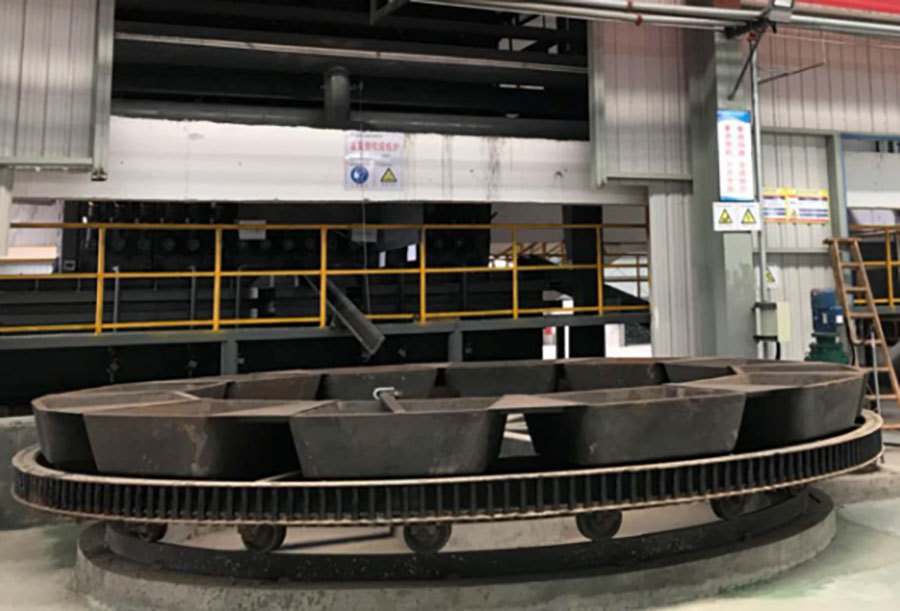
Primary lead smelting equipment plays a vital role in the extraction and purification of lead from its ores. The process of lead smelting involves the heating of lead ore along with other materials to separate lead from impurities, resulting in the production of lead metal. Understanding the equipment involved in this process is essential for industry professionals seeking to optimize efficiency and ensure safety in operations.
At the heart of primary lead smelting is the furnace, which is typically designed to withstand extreme temperatures and corrosive atmospheres. There are several types of furnaces used in lead smelting, including blast furnaces, reverberatory furnaces, and electric arc furnaces. Each type has its own advantages and drawbacks, depending on the specific production requirements and the characteristics of the raw materials being processed.
In addition to furnaces, primary lead smelting equipment also includes various auxiliary systems. These may include charging systems that feed raw materials into the furnace, cooling systems to manage the temperature of the equipment, and gas handling systems to capture and treat emissions generated during the smelting process. Effective management of these systems is crucial not only for maintaining operational efficiency but also for complying with environmental regulations.
Another important aspect of primary lead smelting equipment is its maintenance and operational efficiency. Regular inspections and preventive maintenance are essential to minimize downtime and ensure that equipment operates at peak performance. Key performance indicators, such as energy consumption, yield rates, and emission levels, should be monitored to identify areas for improvement and optimize the overall smelting process.
Moreover, safety is a paramount concern in the operation of primary lead smelting equipment. The smelting process involves handling hazardous materials, and exposure to lead and other pollutants can pose significant health risks to workers. Implementing stringent safety protocols and ensuring that equipment is equipped with proper safety features are critical steps in protecting personnel and minimizing environmental impact.
Investing in state-of-the-art primary lead smelting equipment can provide significant benefits for manufacturers. Upgraded technologies can improve energy efficiency, enhance productivity, and reduce the environmental footprint of the smelting process. As the industry evolves, staying informed about advancements in smelting technology will be key for professionals aiming to remain competitive in the market.
In conclusion, primary lead smelting equipment is integral to the lead production process, encompassing various types of furnaces and auxiliary systems that work together to produce high-quality lead metal. Understanding the functionality and importance of this equipment can empower industry professionals to enhance operational efficiency, ensure safety, and comply with environmental standards.
At the heart of primary lead smelting is the furnace, which is typically designed to withstand extreme temperatures and corrosive atmospheres. There are several types of furnaces used in lead smelting, including blast furnaces, reverberatory furnaces, and electric arc furnaces. Each type has its own advantages and drawbacks, depending on the specific production requirements and the characteristics of the raw materials being processed.
In addition to furnaces, primary lead smelting equipment also includes various auxiliary systems. These may include charging systems that feed raw materials into the furnace, cooling systems to manage the temperature of the equipment, and gas handling systems to capture and treat emissions generated during the smelting process. Effective management of these systems is crucial not only for maintaining operational efficiency but also for complying with environmental regulations.
Another important aspect of primary lead smelting equipment is its maintenance and operational efficiency. Regular inspections and preventive maintenance are essential to minimize downtime and ensure that equipment operates at peak performance. Key performance indicators, such as energy consumption, yield rates, and emission levels, should be monitored to identify areas for improvement and optimize the overall smelting process.
Moreover, safety is a paramount concern in the operation of primary lead smelting equipment. The smelting process involves handling hazardous materials, and exposure to lead and other pollutants can pose significant health risks to workers. Implementing stringent safety protocols and ensuring that equipment is equipped with proper safety features are critical steps in protecting personnel and minimizing environmental impact.
Investing in state-of-the-art primary lead smelting equipment can provide significant benefits for manufacturers. Upgraded technologies can improve energy efficiency, enhance productivity, and reduce the environmental footprint of the smelting process. As the industry evolves, staying informed about advancements in smelting technology will be key for professionals aiming to remain competitive in the market.
In conclusion, primary lead smelting equipment is integral to the lead production process, encompassing various types of furnaces and auxiliary systems that work together to produce high-quality lead metal. Understanding the functionality and importance of this equipment can empower industry professionals to enhance operational efficiency, ensure safety, and comply with environmental standards.
TAG:
Contact Us
Company Email:
962452762@qq.com
Contact Number:
+8615670922562
Company Address:
No. 11 Plant, Tiantan Industrial Park, Huling Industrial Cluster, Jiyuan City

Address: No. 11 Plant, Tiantan Industrial Park, Huling Industrial Cluster, Jiyuan City

Scan with WeChat
Copyright © Xinyu Metallurgical Equipment Co., Ltd.
SAF Coolest v1.3.1.2 设置面板 GAGSE-ZGYF-JXSZE-AED
违禁词: First, best, top-notch, leading, unique, king, leader, leader, ultimate,
无数据提示
Sorry, this column is currently being updated. Please stay tuned!
You can view other columns or returnHomepage