Address: No. 11 Plant, Tiantan Industrial Park, Huling Industrial Cluster, Jiyuan City

Unlocking Efficiency: Key Features of Industrial Smelting Machinery
Jul 04,2025
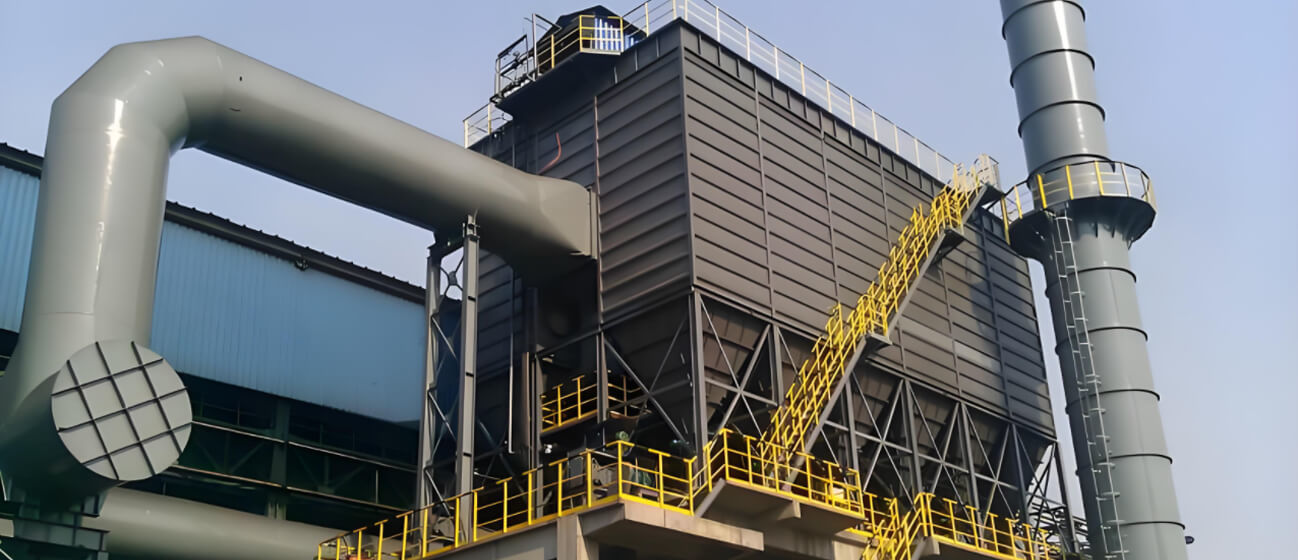
Unlocking Efficiency: Key Features of Industrial Smelting Machinery
Industrial smelting machinery plays a pivotal role in the extraction of metals and minerals from their ores. As industries strive for greater efficiency and sustainability, understanding the key features of smelting equipment becomes paramount. This article explores the essential elements that contribute to the effectiveness of industrial smelting machinery, focusing on technologies that enhance productivity, reduce downtime, and minimize environmental impact.
Table of Contents
- 1. Introduction to Industrial Smelting Machinery
- 2. Importance of Efficiency in Smelting Operations
- 3. Key Features of Industrial Smelting Machinery
- 3.1 Automation and Control Systems
- 3.2 Energy Efficiency Considerations
- 3.3 Material Quality and Durability
- 3.4 Enhanced Safety Features
- 3.5 Reducing Environmental Impact
- 4. Technological Advancements in Smelting Machinery
- 5. Case Studies: Successful Implementation of Smelting Machinery
- 6. The Future of Industrial Smelting Machinery
- 7. Frequently Asked Questions
- 8. Conclusion
1. Introduction to Industrial Smelting Machinery
Industrial smelting machinery encompasses a range of equipment designed for the extraction of metals from ores through the application of heat and chemical processes. The smelting process is crucial for industries such as mining, metal production, and recycling. As the demand for high-quality metals increases, the efficiency and effectiveness of smelting machinery have become essential factors in maintaining competitive advantage.
2. Importance of Efficiency in Smelting Operations
Efficiency in smelting operations directly contributes to cost reduction, higher output, and improved quality of the final product. As industries face rising operational costs and increased regulatory scrutiny, optimizing smelting processes is more critical than ever. Enhanced efficiency leads to reduced energy consumption, minimized waste, and lower emissions. Thus, investing in advanced industrial smelting machinery is not only beneficial for profitability but also aligns with global sustainability goals.
3. Key Features of Industrial Smelting Machinery
3.1 Automation and Control Systems
One of the most transformative features of modern industrial smelting machinery is the integration of advanced automation and control systems. Automated processes enable real-time monitoring and adjustments, resulting in consistent product quality and operational efficiency. These systems can optimize furnace temperatures, feed rates, and chemical additions, allowing operators to maintain ideal conditions for smelting with minimal human intervention.
3.2 Energy Efficiency Considerations
Energy efficiency is a critical focus area for industrial smelting machinery due to high energy consumption in smelting processes. Innovative designs, such as regenerative burners and waste heat recovery systems, contribute to significant energy savings. Implementing these technologies not only reduces operational costs but also decreases the carbon footprint of smelting operations.
3.3 Material Quality and Durability
The quality and durability of materials used in smelting machinery are vital for long-term performance. High-performance alloys and refractory materials resist corrosion and wear, ensuring that equipment can withstand extreme temperatures and harsh operating conditions. Investing in durable machinery reduces maintenance needs and extends equipment lifespan, resulting in overall operational efficiency.
3.4 Enhanced Safety Features
Safety is paramount in smelting operations due to the hazardous nature of materials and processes involved. Modern smelting machinery incorporates advanced safety features, such as automated shut-off systems, emergency response mechanisms, and advanced ventilation solutions. These features help protect workers and minimize the risk of accidents, contributing to a safer working environment.
3.5 Reducing Environmental Impact
With increasing regulatory requirements and societal expectations regarding environmental responsibility, smelting machinery must minimize its environmental impact. Advanced filtration systems, emission control technologies, and efficient waste management processes are vital features that enable smelting operations to reduce pollutants and comply with environmental standards. Embracing these technologies not only benefits the environment but also enhances the industry's reputation.
4. Technological Advancements in Smelting Machinery
The smelting industry is witnessing rapid technological advancements aimed at improving efficiency and productivity. Innovations such as artificial intelligence (AI), machine learning (ML), and the Internet of Things (IoT) are transforming how smelting operations are managed. AI and ML can analyze vast amounts of operational data to identify trends and suggest optimizations, while IoT devices enable remote monitoring and control of smelting processes. These technologies collectively drive improvements in decision-making, operational efficiency, and responsiveness to changing conditions.
5. Case Studies: Successful Implementation of Smelting Machinery
Examining real-world examples of successful smelting machinery implementations can provide valuable insights into the benefits of advanced features. For instance, a major copper smelting company adopted a state-of-the-art automated control system, resulting in a 20% increase in production efficiency and a 15% reduction in energy consumption. Another case involved the use of innovative filtration technology to minimize emissions, enabling a company to exceed regulatory standards while reducing operational costs.
6. The Future of Industrial Smelting Machinery
As the smelting industry evolves, the future of industrial smelting machinery will be shaped by ongoing advancements in technology and sustainability practices. The integration of AI and machine learning into smelting processes holds the potential to revolutionize operations, optimizing not only efficiency but also adaptability and responsiveness to market demands. Furthermore, as industries continue to prioritize sustainability, the development of greener smelting technologies will play a crucial role in meeting global environmental goals.
7. Frequently Asked Questions
What is industrial smelting machinery used for?
Industrial smelting machinery is used to extract metals from ores by applying heat and chemical processes, enabling the production of various metals for industrial applications.
How can automation improve smelting operations?
Automation enhances smelting operations by enabling real-time monitoring, reducing human error, and optimizing processes, resulting in improved efficiency and product quality.
What are the environmental benefits of modern smelting machinery?
Modern smelting machinery is designed with advanced emission controls and waste management systems, significantly reducing pollutants and helping companies comply with environmental regulations.
How does energy efficiency impact smelting operations?
Energy efficiency reduces operational costs, lowers carbon emissions, and minimizes resource consumption, contributing to both profitability and sustainability in smelting operations.
What features should I look for in smelting machinery?
Key features to consider include automation and control systems, energy efficiency technologies, material quality, safety enhancements, and environmental impact reduction mechanisms.
8. Conclusion
In conclusion, unlocking efficiency in industrial smelting machinery is essential for meeting the demands of a competitive and environmentally conscious market. By focusing on key features such as automation, energy efficiency, material durability, safety, and environmental impact reduction, companies can significantly enhance their smelting operations. As technology continues to advance, the future of smelting machinery promises further innovations that will drive efficiency and sustainability, paving the way for a more productive and responsible industry.
Contact Us
Company Email:
962452762@qq.com
Contact Number:
+8615670922562
Company Address:
No. 11 Plant, Tiantan Industrial Park, Huling Industrial Cluster, Jiyuan City

Address: No. 11 Plant, Tiantan Industrial Park, Huling Industrial Cluster, Jiyuan City

Scan with WeChat
Copyright © Xinyu Metallurgical Equipment Co., Ltd.
SAF Coolest v1.3.1.2 设置面板 GAGSE-ZGYF-JXSZE-AED
无数据提示
Sorry, this column is currently being updated. Please stay tuned!
You can view other columns or returnHomepage