Address: No. 11 Plant, Tiantan Industrial Park, Huling Industrial Cluster, Jiyuan City

A Deep Dive into Advanced Smelting Plant Equipment Technologies
Aug 22,2026
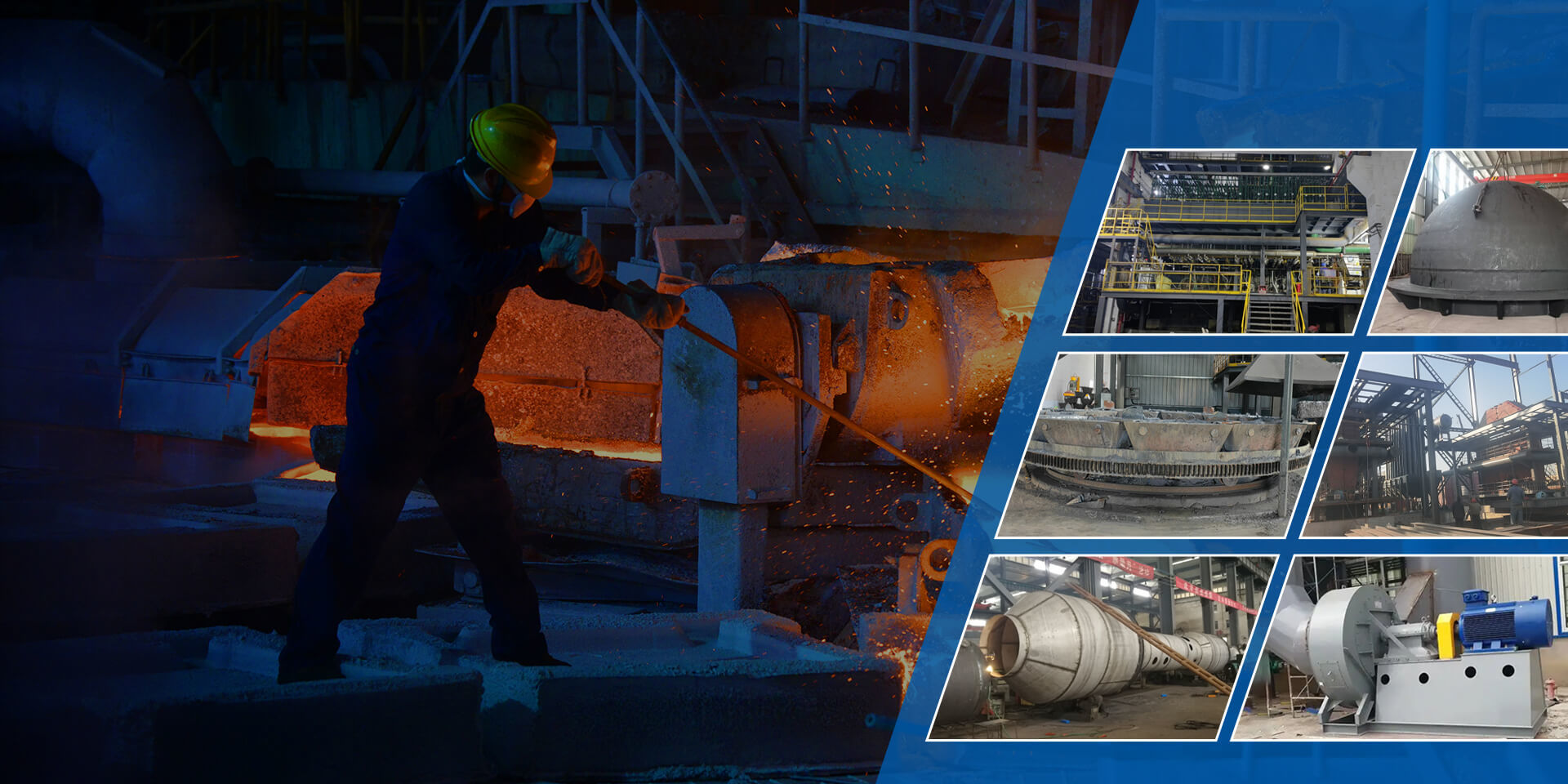
A Deep Dive into Advanced Smelting Plant Equipment Technologies
Table of Contents
- Introduction to Smelting Plant Technologies
- Importance of Advanced Smelting Equipment
- Cutting-Edge Smelting Technologies
- Key Components of Smelting Equipment
- Automation in Smelting Processes
- Sustainability in Smelting Operations
- Future Trends in Smelting Technologies
- Frequently Asked Questions
- Conclusion
Introduction to Smelting Plant Technologies
The smelting industry plays a crucial role in the extraction and processing of metals from ores. As global demand for metals continues to rise, so does the need for **efficient** and **environmentally friendly** smelting technologies. This article provides an in-depth examination of advanced smelting plant equipment technologies and their impact on the industry.
Smelting involves heating ores to separate the metal from impurities. This process has evolved significantly due to technological advancements, leading to more efficient and less harmful methods of producing metals. By focusing on **innovations** in equipment and processes, we can better understand the future of **metallurgical operations**.
Importance of Advanced Smelting Equipment
The importance of **advanced smelting equipment** cannot be overstated. With the increasing demands of production and stricter environmental regulations, the need for cutting-edge technologies has become paramount. Here are several key reasons why investing in advanced smelting equipment is essential:
1. Enhanced Efficiency
Advanced smelting technologies increase the efficiency of metal extraction processes. These innovations allow for higher throughput, meaning more metal can be produced in less time, ultimately leading to increased profitability.
2. Reduced Environmental Impact
Industry leaders are focusing on minimizing the environmental footprint of smelting operations. New technologies reduce emissions and waste, aligning with global sustainability goals and regulatory requirements.
3. Improved Product Quality
Modern smelting equipment is designed to produce metals that meet stricter quality standards. Advanced technologies allow for better control of the smelting process, resulting in higher purity levels and fewer impurities in the final product.
4. Safety Enhancements
Advanced equipment often features improved safety mechanisms, reducing the risk of accidents and ensuring a safer working environment for personnel.
Cutting-Edge Smelting Technologies
Several innovative technologies are transforming the smelting landscape, making processes more efficient and sustainable. This section explores some of the most significant advancements in smelting technologies.
1. Electric Arc Furnaces (EAF)
Electric Arc Furnaces have gained popularity due to their ability to recycle scrap metal efficiently. EAFs use electricity to produce molten metal, significantly reducing energy consumption and greenhouse gas emissions compared to traditional blast furnaces.
2. Plasma Smelting Technology
Plasma smelting utilizes high-temperature plasma torches to melt materials. This technology allows for the processing of complex ores and has the potential to improve recovery rates, making it a promising option for future smelting operations.
3. Direct Reduced Iron (DRI) Technology
DRI technology facilitates the production of iron from iron ore without the need for traditional coke. This process helps minimize carbon emissions and energy consumption, making it a key player in sustainable metallurgical practices.
4. Induction Furnaces
Induction furnaces use electromagnetic induction to heat and melt metals. They offer precise temperature control and energy efficiency, making them suitable for a variety of applications in the smelting industry.
Key Components of Smelting Equipment
Understanding the components that make up advanced smelting equipment is essential for comprehending how these machines operate. Below are some of the critical components typically found in modern smelting equipment:
1. Furnace Linings
Furnace linings are crucial for maintaining temperature and chemical resistance during the smelting process. Innovations in refractory materials have led to longer-lasting linings that can withstand extreme conditions.
2. Cooling Systems
Efficient cooling systems are essential to prevent overheating and ensure the longevity of smelting equipment. Innovations in cooling technology enhance the reliability and performance of smelting operations.
3. Control Systems
Advanced control systems provide operators with real-time data, enabling them to monitor and adjust the smelting process for optimal performance. Automation in control systems significantly enhances efficiency and reduces human error.
4. Material Handling Equipment
Efficient material handling equipment is vital for transporting raw materials and finished products within the smelting plant. Automated handling systems improve safety and productivity.
Automation in Smelting Processes
Automation is revolutionizing the smelting industry. By integrating advanced technologies, smelting plants can achieve higher levels of efficiency, safety, and product quality. Here are some key areas where automation is making a difference:
1. Process Automation
Automated systems can optimize various stages of the smelting process, from raw material input to metal extraction. This reduces human intervention and enhances operational consistency.
2. Predictive Maintenance
Predictive maintenance technologies use data analytics to forecast equipment failures, allowing operators to address issues before they lead to costly downtime. This proactive approach extends equipment lifespan and ensures smoother operations.
3. Remote Monitoring
Remote monitoring systems enable operators to oversee smelting processes from offsite locations. This capability enhances responsiveness and allows for better decision-making based on real-time data.
Sustainability in Smelting Operations
Sustainability is becoming a core focus for smelting operations, driven by both regulatory pressures and market demands. Here are some strategies that advanced technologies are implementing to promote sustainability:
1. Energy Efficiency
Investing in energy-efficient equipment reduces operational costs and minimizes environmental impact. Technologies that optimize energy consumption are becoming standard in modern smelting plants.
2. Waste Reduction
Advanced smelting technologies aim to minimize waste generated during the smelting process. Innovations in recycling and by-product recovery are essential to achieving a circular economy in metallurgy.
3. Emission Control
Modern smelting plants are equipped with sophisticated emission control systems that significantly reduce the release of harmful pollutants into the atmosphere, contributing to a cleaner environment.
Future Trends in Smelting Technologies
The smelting industry is poised for continuous innovation. Here are some trends that are likely to shape its future:
1. Integration of Artificial Intelligence
AI technologies are expected to play a significant role in enhancing smelting operations. From optimizing processes to improving predictive maintenance, AI will help plants operate more efficiently.
2. Smart Manufacturing
The integration of IoT (Internet of Things) devices will enable more connected and intelligent smelting plants. Real-time data sharing among machines and systems will streamline operations and improve decision-making.
3. Focus on Carbon Neutrality
As the world moves towards carbon neutrality, smelting technologies will increasingly focus on reducing CO2 emissions. Companies will invest in processes and equipment that align with global climate goals.
Frequently Asked Questions
1. What is smelting?
Smelting is a metallurgical process involving the extraction of metal from its ore by heating and melting.
2. How does advanced smelting technology improve efficiency?
Advanced smelting technology enhances efficiency by optimizing production processes, reducing energy consumption, and increasing throughput.
3. What are the environmental benefits of modern smelting equipment?
Modern smelting equipment reduces emissions, minimizes waste, and improves energy efficiency, contributing to a more sustainable industry.
4. What role does automation play in smelting operations?
Automation improves operational efficiency, enhances safety, and reduces human error by allowing for real-time monitoring and control of processes.
5. How can companies ensure they are using the latest smelting technologies?
Companies can stay updated on the latest technologies by participating in industry conferences, subscribing to relevant publications, and collaborating with technology providers.
Conclusion
Advanced smelting plant equipment technologies are revolutionizing the metallurgical landscape. By embracing these innovations, smelting operations can achieve unprecedented levels of efficiency, sustainability, and product quality. As the industry moves forward, understanding and implementing these technologies will be crucial for staying competitive in an ever-evolving market. Embracing automation, energy efficiency, and environmentally friendly practices will not only benefit individual companies but will also contribute to a more sustainable future for the entire industry.
TAG:
Contact Us
Company Email:
962452762@qq.com
Contact Number:
+8615670922562
Company Address:
No. 11 Plant, Tiantan Industrial Park, Huling Industrial Cluster, Jiyuan City

Address: No. 11 Plant, Tiantan Industrial Park, Huling Industrial Cluster, Jiyuan City

Scan with WeChat
Copyright © Xinyu Metallurgical Equipment Co., Ltd.
SAF Coolest v1.3.1.2 设置面板 GAGSE-ZGYF-JXSZE-AED
违禁词: First, best, top-notch, leading, unique, king, leader, leader, ultimate,
无数据提示
Sorry, this column is currently being updated. Please stay tuned!
You can view other columns or returnHomepage