Address: No. 11 Plant, Tiantan Industrial Park, Huling Industrial Cluster, Jiyuan City

Unlocking Efficiency in Metal Production: A Deep Dive into Industrial Smelting Machinery
Aug 19,2026
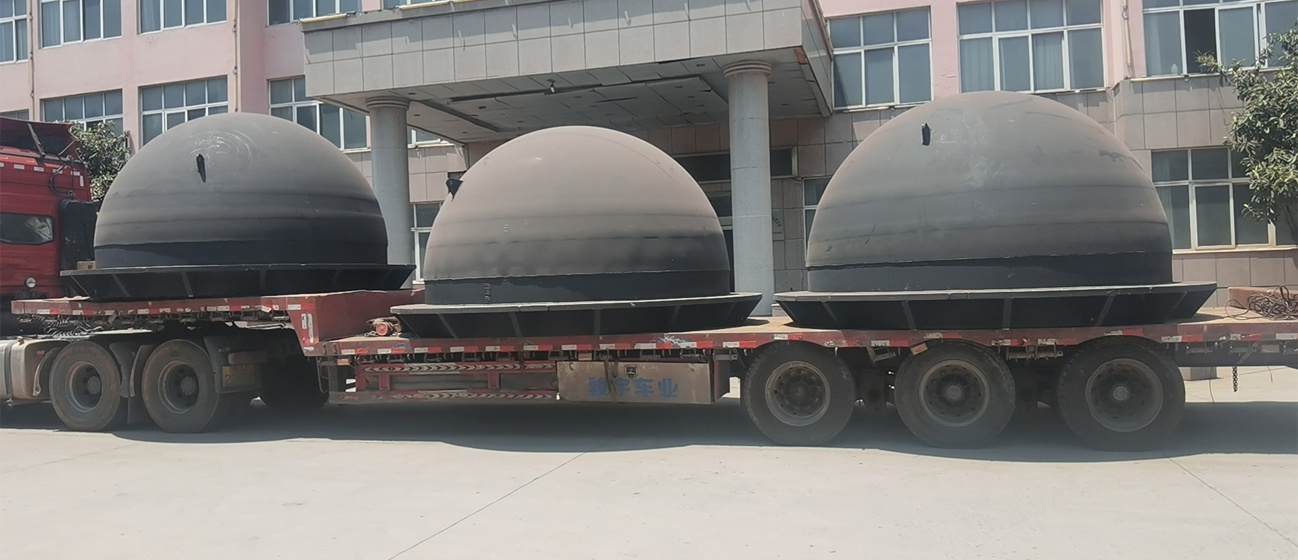
Industrial smelting machinery plays a crucial role in the metallurgy sector, serving as the backbone of metal extraction and production processes. Smelting involves heating ore to separate metal from impurities, a process that has evolved significantly with technological advancements. Understanding the mechanisms and types of industrial smelting machinery is essential for optimizing production efficiency and ensuring high-quality yields.
One of the primary types of industrial smelting machinery is the furnace, which comes in various forms, including electric arc furnaces, induction furnaces, and blast furnaces. Each type has distinct advantages, depending on the materials being processed and the scale of production. Electric arc furnaces are particularly popular for recycling scrap metal, as they allow for efficient energy use and precise temperature control. Induction furnaces, on the other hand, are favored for their ability to quickly melt materials without direct flame contact, minimizing contamination and improving safety.
Advancements in industrial smelting machinery have led to increased automation and integration of smart technologies. With the incorporation of sensors and data analytics, operators can monitor the smelting process in real-time, adjusting parameters for optimal performance. This shift toward automation not only enhances efficiency but also reduces human error, leading to more consistent quality in the final product.
Furthermore, environmental considerations are becoming increasingly important in the design and operation of industrial smelting machinery. Modern equipment is being developed to minimize emissions and energy consumption, aligning with global sustainability goals. Technologies such as heat recovery systems and low-emission furnaces are being implemented to reduce the carbon footprint of smelting operations. By investing in environmentally friendly machinery, companies can improve their compliance with regulations and enhance their corporate image.
In addition to energy efficiency, the durability and maintenance of industrial smelting machinery are key factors to consider. Regular maintenance schedules and the use of high-quality materials in manufacturing can significantly extend the lifespan of smelting equipment. Preventative measures, such as routine inspections and timely repairs, can prevent costly downtimes and enhance overall productivity.
In conclusion, industrial smelting machinery is at the heart of the metal production process, with a wide range of equipment designed to maximize efficiency, reduce environmental impact, and ensure high-quality outputs. As the industry continues to evolve, staying informed about the latest advancements and best practices in smelting technology is essential for any organization looking to remain competitive. By understanding and leveraging the capabilities of modern smelting machinery, businesses can drive innovation and achieve operational excellence in the field of metallurgy.
One of the primary types of industrial smelting machinery is the furnace, which comes in various forms, including electric arc furnaces, induction furnaces, and blast furnaces. Each type has distinct advantages, depending on the materials being processed and the scale of production. Electric arc furnaces are particularly popular for recycling scrap metal, as they allow for efficient energy use and precise temperature control. Induction furnaces, on the other hand, are favored for their ability to quickly melt materials without direct flame contact, minimizing contamination and improving safety.
Advancements in industrial smelting machinery have led to increased automation and integration of smart technologies. With the incorporation of sensors and data analytics, operators can monitor the smelting process in real-time, adjusting parameters for optimal performance. This shift toward automation not only enhances efficiency but also reduces human error, leading to more consistent quality in the final product.
Furthermore, environmental considerations are becoming increasingly important in the design and operation of industrial smelting machinery. Modern equipment is being developed to minimize emissions and energy consumption, aligning with global sustainability goals. Technologies such as heat recovery systems and low-emission furnaces are being implemented to reduce the carbon footprint of smelting operations. By investing in environmentally friendly machinery, companies can improve their compliance with regulations and enhance their corporate image.
In addition to energy efficiency, the durability and maintenance of industrial smelting machinery are key factors to consider. Regular maintenance schedules and the use of high-quality materials in manufacturing can significantly extend the lifespan of smelting equipment. Preventative measures, such as routine inspections and timely repairs, can prevent costly downtimes and enhance overall productivity.
In conclusion, industrial smelting machinery is at the heart of the metal production process, with a wide range of equipment designed to maximize efficiency, reduce environmental impact, and ensure high-quality outputs. As the industry continues to evolve, staying informed about the latest advancements and best practices in smelting technology is essential for any organization looking to remain competitive. By understanding and leveraging the capabilities of modern smelting machinery, businesses can drive innovation and achieve operational excellence in the field of metallurgy.
TAG:
Contact Us
Company Email:
962452762@qq.com
Contact Number:
+8615670922562
Company Address:
No. 11 Plant, Tiantan Industrial Park, Huling Industrial Cluster, Jiyuan City

Address: No. 11 Plant, Tiantan Industrial Park, Huling Industrial Cluster, Jiyuan City

Scan with WeChat
Copyright © Xinyu Metallurgical Equipment Co., Ltd.
SAF Coolest v1.3.1.2 设置面板 GAGSE-ZGYF-JXSZE-AED
违禁词: First, best, top-notch, leading, unique, king, leader, leader, ultimate,
无数据提示
Sorry, this column is currently being updated. Please stay tuned!
You can view other columns or returnHomepage