Address: No. 11 Plant, Tiantan Industrial Park, Huling Industrial Cluster, Jiyuan City

Understanding Industrial Lead Processing Lines: Key Components and Benefits
May 14,2026
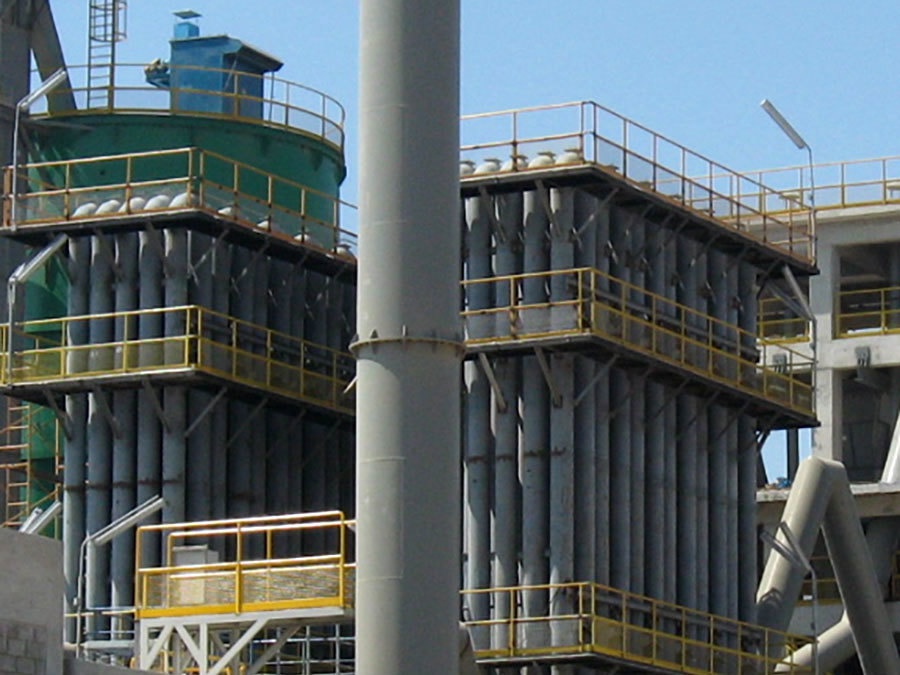
Industrial Lead Processing Lines play a vital role in the efficient and effective production of lead from its ore. These systems encompass a series of interconnected processes designed to extract, refine, and prepare lead for various applications. Understanding the components and functionality of an Industrial Lead Processing Line can greatly enhance operational efficiency and ensure compliance with environmental regulations.
At the core of an Industrial Lead Processing Line is the smelting furnace. This equipment is responsible for the initial melting of lead ore, which is often complex and requires precise temperature control. The furnace uses high-temperature methods to reduce lead compounds, facilitating the extraction of pure lead. Various types of smelting furnaces, such as blast furnaces and electric arc furnaces, can be employed, depending on the specific requirements of the production process.
Following the smelting stage, the lead undergoes refining, which removes impurities and enhances the quality of the final product. This often involves processes like desilvering, where silver is separated from lead, and other purification techniques that ensure the lead meets industry standards. An effective refining process is crucial for producing lead that is suitable for high-quality applications, including batteries and radiation shielding.
In addition to the smelting and refining stages, an Industrial Lead Processing Line includes various auxiliary systems. These may involve material handling systems, which transport ore and finished lead between different stages of production, as well as pollution control technologies that mitigate the environmental impact of lead processing. Ensuring proper material handling not only improves efficiency but also enhances workplace safety—a crucial consideration in the lead processing industry.
Another important aspect of Industrial Lead Processing Lines is automation. Modern systems increasingly incorporate advanced technology, allowing for real-time monitoring and control of the production process. Automation can lead to significant improvements in consistency, quality, and productivity, while also reducing labor costs and the potential for human error.
Moreover, compliance with environmental regulations is a major concern in lead processing. Industrial Lead Processing Lines equipped with effective emission control systems can help mitigate the release of harmful substances into the atmosphere. This is increasingly important as industries face stricter environmental standards and public scrutiny regarding pollution.
Ultimately, investing in a well-designed Industrial Lead Processing Line can yield substantial benefits, from improved output quality to reduced environmental impact. As the demand for lead continues across various sectors, understanding the intricacies of these processing lines will be crucial for professionals aiming to optimize production and maintain competitive advantage in the market.
At the core of an Industrial Lead Processing Line is the smelting furnace. This equipment is responsible for the initial melting of lead ore, which is often complex and requires precise temperature control. The furnace uses high-temperature methods to reduce lead compounds, facilitating the extraction of pure lead. Various types of smelting furnaces, such as blast furnaces and electric arc furnaces, can be employed, depending on the specific requirements of the production process.
Following the smelting stage, the lead undergoes refining, which removes impurities and enhances the quality of the final product. This often involves processes like desilvering, where silver is separated from lead, and other purification techniques that ensure the lead meets industry standards. An effective refining process is crucial for producing lead that is suitable for high-quality applications, including batteries and radiation shielding.
In addition to the smelting and refining stages, an Industrial Lead Processing Line includes various auxiliary systems. These may involve material handling systems, which transport ore and finished lead between different stages of production, as well as pollution control technologies that mitigate the environmental impact of lead processing. Ensuring proper material handling not only improves efficiency but also enhances workplace safety—a crucial consideration in the lead processing industry.
Another important aspect of Industrial Lead Processing Lines is automation. Modern systems increasingly incorporate advanced technology, allowing for real-time monitoring and control of the production process. Automation can lead to significant improvements in consistency, quality, and productivity, while also reducing labor costs and the potential for human error.
Moreover, compliance with environmental regulations is a major concern in lead processing. Industrial Lead Processing Lines equipped with effective emission control systems can help mitigate the release of harmful substances into the atmosphere. This is increasingly important as industries face stricter environmental standards and public scrutiny regarding pollution.
Ultimately, investing in a well-designed Industrial Lead Processing Line can yield substantial benefits, from improved output quality to reduced environmental impact. As the demand for lead continues across various sectors, understanding the intricacies of these processing lines will be crucial for professionals aiming to optimize production and maintain competitive advantage in the market.
TAG:
Contact Us
Company Email:
962452762@qq.com
Contact Number:
+8615670922562
Company Address:
No. 11 Plant, Tiantan Industrial Park, Huling Industrial Cluster, Jiyuan City

Address: No. 11 Plant, Tiantan Industrial Park, Huling Industrial Cluster, Jiyuan City

Scan with WeChat
Copyright © Xinyu Metallurgical Equipment Co., Ltd.
SAF Coolest v1.3.1.2 设置面板 GAGSE-ZGYF-JXSZE-AED
违禁词: First, best, top-notch, leading, unique, king, leader, leader, ultimate,
无数据提示
Sorry, this column is currently being updated. Please stay tuned!
You can view other columns or returnHomepage