Address: No. 11 Plant, Tiantan Industrial Park, Huling Industrial Cluster, Jiyuan City

Top 10 Must-Have Features in Modern Copper Smelting Equipment
May 14,2026
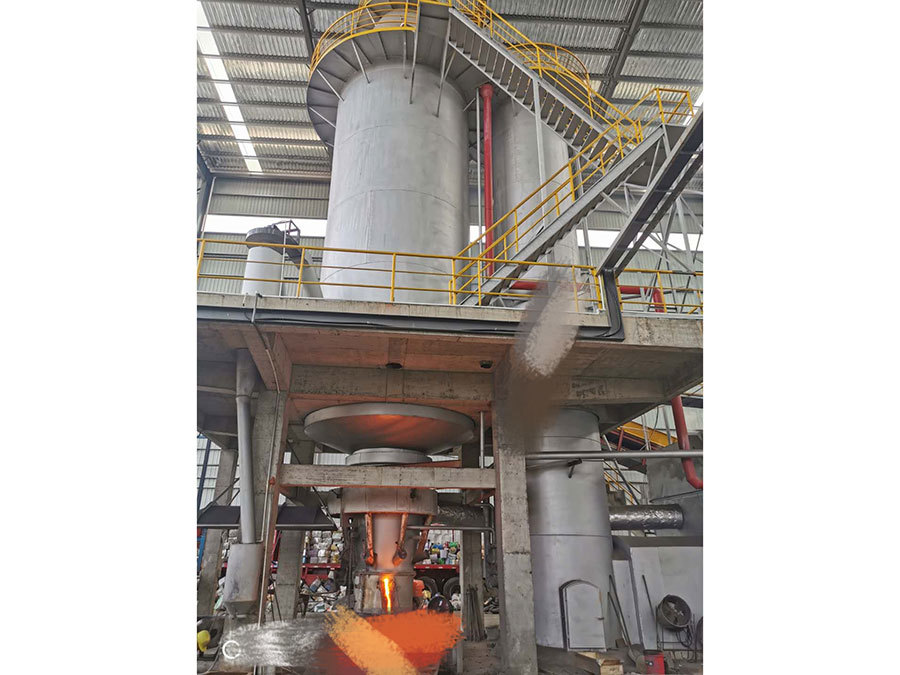
Top 10 Must-Have Features in Modern Copper Smelting Equipment
Copper smelting is a critical process in the copper production industry, transforming raw ore into valuable metal through a series of complex operations. As technology advances, the equipment used in this process becomes more sophisticated, enhancing efficiency and productivity. In this article, we delve into the **top 10 must-have features** in modern copper smelting equipment that ensure operational excellence and sustainability.
Table of Contents
- 1. Advanced Automation Systems
- 2. Energy Efficiency Technologies
- 3. High-Temperature Resistance
- 4. Emission Control Systems
- 5. Modular Design and Flexibility
- 6. Enhanced Safety Features
- 7. Real-time Monitoring and Diagnostics
- 8. Sustainable Waste Management
- 9. Durability and Maintenance Ease
- 10. Integration with Other Metallurgical Processes
- FAQs
- Conclusion
1. Advanced Automation Systems
In the fast-paced world of copper smelting, **automation** plays a crucial role in optimizing processes. Modern copper smelting equipment features advanced automation systems that enhance operational efficiency and reduce human error. These systems allow for precise control over temperature, material flow, and chemical reactions, ensuring maximum output and consistent quality.
Automation also facilitates the integration of various processes, from ore handling to refining, making it easier to manage complex operations. This not only improves productivity but also minimizes downtime, leading to significant cost savings.
2. Energy Efficiency Technologies
The smelting process is energy-intensive, and the demand for energy-efficient solutions is more critical than ever. Modern copper smelting equipment incorporates **energy-efficient technologies** that reduce power consumption while maintaining high productivity levels. This includes the use of regenerative thermal oxidizers and high-efficiency burners that maximize energy usage and minimize waste.
Investing in energy-efficient equipment not only lowers operational costs but also contributes to sustainability goals by reducing greenhouse gas emissions. Manufacturers are increasingly focusing on these technologies to meet regulatory requirements and improve their environmental footprint.
3. High-Temperature Resistance
Copper smelting involves extremely high temperatures, often exceeding 1,200 degrees Celsius (2,192 degrees Fahrenheit). Therefore, it is imperative that modern smelting equipment is designed with **high-temperature resistance** in mind. This ensures that the equipment can withstand the harsh conditions of the smelting process without compromising performance or safety.
Materials such as refractory linings and high-performance alloys are essential in constructing furnaces and reactors. These materials not only resist thermal degradation but also enhance the lifespan of the equipment, reducing maintenance and replacement costs.
4. Emission Control Systems
The environmental impact of copper smelting cannot be overlooked. Modern equipment must include **emission control systems** that effectively manage and reduce harmful emissions released into the atmosphere. Technologies such as baghouses, scrubbers, and electrostatic precipitators play a vital role in filtering particulates and gases, ensuring compliance with environmental regulations.
Implementing these systems not only protects the environment but also improves the overall health and safety of workers in smelting facilities. Companies that invest in advanced emission control technologies demonstrate their commitment to sustainability and corporate responsibility.
5. Modular Design and Flexibility
The complexity of copper smelting processes necessitates equipment that is adaptable to varying operational demands. **Modular design** allows manufacturers to customize their smelting equipment to suit specific requirements. This flexibility is vital for scaling operations up or down based on market conditions and production needs.
Modular equipment also facilitates easier upgrades and maintenance, enabling companies to stay competitive without the need for complete overhauls. This adaptability is especially important in an industry characterized by fluctuating copper prices and evolving technology.
6. Enhanced Safety Features
Safety is paramount in any industrial operation, particularly in high-risk environments like copper smelting. Modern smelting equipment is equipped with **enhanced safety features** that protect workers and minimize hazards. This includes automatic shut-off systems, safety interlocks, and advanced fire suppression systems.
Additionally, ergonomic designs and improved accessibility for maintenance reduce the risk of accidents and injuries. By prioritizing safety in equipment design, companies can foster a safer working environment and mitigate potential liabilities.
7. Real-time Monitoring and Diagnostics
**Real-time monitoring and diagnostics** are essential features of modern copper smelting equipment. These systems provide operators with instantaneous data on the performance and condition of the machinery, enabling proactive maintenance and reducing unplanned downtime.
Advanced sensors and IoT technology allow for continuous monitoring of temperature, pressure, and material flow, leading to prompt detection of potential issues. With access to real-time data, operators can make informed decisions that enhance process efficiency and product quality.
8. Sustainable Waste Management
Sustainability in the copper industry requires effective **waste management** solutions. Modern smelting equipment incorporates features that minimize waste generation and promote recycling. This includes systems for capturing and reusing byproducts, such as sulfur dioxide, which can be converted into sulfuric acid.
Implementing sustainable waste management practices not only reduces environmental impact but also creates additional revenue streams for companies. By transforming waste into valuable resources, businesses can enhance their profitability while adhering to sustainability goals.
9. Durability and Maintenance Ease
The durability of smelting equipment is critical for long-term operation and profitability. Modern copper smelting equipment is designed with **durability** in mind, utilizing high-quality materials that withstand the rigors of the smelting process. This reduces the frequency of repairs and replacements, lowering operational costs.
Furthermore, equipment designed for **maintenance ease** allows for quick and efficient servicing. Features such as modular components and accessible maintenance points minimize downtime and ensure that production can resume swiftly after maintenance activities.
10. Integration with Other Metallurgical Processes
Modern copper smelting equipment should not operate in isolation. The ability to **integrate with other metallurgical processes** enhances overall efficiency and product quality. This integration facilitates smoother transitions between stages, such as converting copper matte into anode copper or refining it into high-purity products.
By streamlining the entire metallurgical process, companies can reduce energy consumption, optimize resource use, and improve overall output. This holistic approach aligns with the industry's push towards more efficient and sustainable operations.
FAQs
What types of copper smelting equipment are available?
Copper smelting equipment includes furnaces, converters, ladles, and emission control systems, each designed to perform specific functions in the smelting process.
How does automation benefit copper smelting?
Automation enhances efficiency, reduces human error, and optimizes control over various processes, leading to increased productivity and lower operational costs.
What measures can be taken to improve energy efficiency in copper smelting?
Investing in advanced energy-efficient technologies, such as high-efficiency burners and regenerative thermal oxidizers, can significantly reduce energy consumption in the smelting process.
Why is emission control important in copper smelting?
Emission control is crucial for environmental protection and compliance with regulations. It ensures that harmful pollutants are effectively managed, safeguarding both the environment and public health.
How can companies ensure safety in copper smelting operations?
Implementing enhanced safety features in equipment design, providing worker training, and adhering to safety protocols can significantly reduce risks in smelting operations.
Conclusion
Investing in modern copper smelting equipment with the right features can significantly enhance productivity, efficiency, and sustainability in the copper industry. By focusing on advanced automation, energy efficiency, safety, and integration with other processes, companies can achieve operational excellence and meet the growing demands of the market. Embracing these must-have features not only contributes to profitability but also fosters a commitment to environmental stewardship and corporate responsibility. As technology continues to evolve, staying updated on the latest advancements will be key to maintaining a competitive edge in the copper smelting industry.
TAG:
Contact Us
Company Email:
962452762@qq.com
Contact Number:
+8615670922562
Company Address:
No. 11 Plant, Tiantan Industrial Park, Huling Industrial Cluster, Jiyuan City

Address: No. 11 Plant, Tiantan Industrial Park, Huling Industrial Cluster, Jiyuan City

Scan with WeChat
Copyright © Xinyu Metallurgical Equipment Co., Ltd.
SAF Coolest v1.3.1.2 设置面板 GAGSE-ZGYF-JXSZE-AED
违禁词: First, best, top-notch, leading, unique, king, leader, leader, ultimate,
无数据提示
Sorry, this column is currently being updated. Please stay tuned!
You can view other columns or returnHomepage