Address: No. 11 Plant, Tiantan Industrial Park, Huling Industrial Cluster, Jiyuan City

How Smelting Furnace Equipment Revolutionizes Metal Production
Apr 02,2026
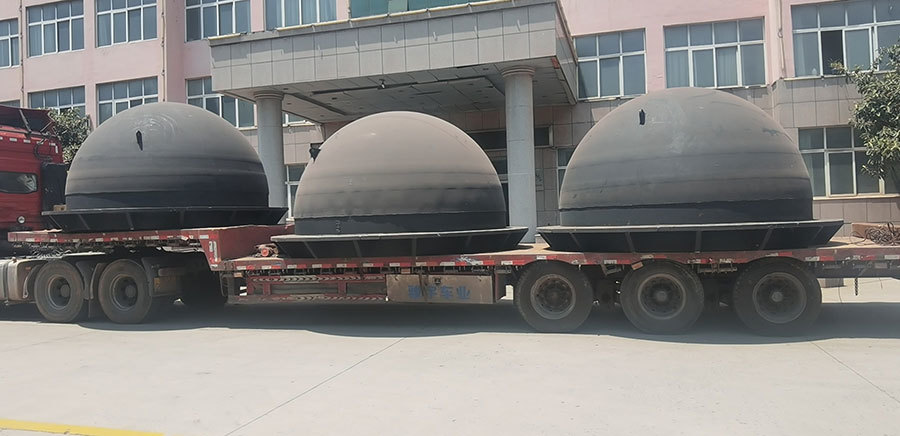
How Smelting Furnace Equipment Revolutionizes Metal Production
Table of Contents
- Introduction to Smelting Furnace Equipment
- The Role of Smelting Furnaces in Metal Production
- Types of Smelting Furnaces
- Advancements in Smelting Technology
- Benefits of Modern Smelting Furnaces
- Environmental Impact and Regulations
- The Future of Smelting Furnaces
- Conclusion
Introduction to Smelting Furnace Equipment
In the world of metal production, the importance of **smelting furnace equipment** cannot be overstated. These sophisticated machines facilitate the extraction of metals from their ores, transforming raw materials into valuable resources. The smelting process is essential for industries ranging from automotive to aerospace, making smelting furnaces a cornerstone of modern metallurgy. This article delves into how advancements in smelting furnace equipment are revolutionizing metal production, enhancing efficiency, and driving sustainability.
The Role of Smelting Furnaces in Metal Production
Smelting furnaces play a pivotal role in the metal production chain. They are responsible for melting ores and separating metals from impurities. The equipment operates by applying heat to the raw materials, usually in the presence of a reducing agent, to facilitate chemical reactions that yield pure metals. This process not only increases the quantity of recoverable metal but also impacts the quality of the final product.
The efficiency of the smelting process directly influences production costs and overall sustainability. Advanced smelting furnace technologies ensure that operations are both economically viable and environmentally responsible, leading to a more sustainable future for the metallurgical industry.
Types of Smelting Furnaces
Understanding the various types of smelting furnaces is crucial to appreciating their unique advantages and applications.
Blast Furnaces
Blast furnaces are among the oldest and most widely used types of smelting equipment. They primarily process iron ore, utilizing coke as a fuel source. The blast furnace operates continuously and can produce large volumes of molten iron, which can be further refined into steel. Innovations in blast furnace technology have improved energy efficiency and reduced emissions, making them more environmentally friendly.
Induction Furnaces
Induction furnaces utilize electromagnetic induction to generate heat. This type of furnace is known for its ability to melt various metals quickly and efficiently. Induction furnaces are particularly popular in foundries and are often used for recycling scrap metal. Their ability to provide precise temperature control leads to higher-quality metal production with minimal oxidation.
Electric Arc Furnaces
Electric arc furnaces (EAFs) are becoming increasingly popular for steelmaking. They operate by creating an electric arc between graphite electrodes and the metal charge, generating high temperatures suitable for melting. EAFs offer advantages such as flexibility in feedstock usage and lower energy consumption compared to traditional blast furnaces, making them a more sustainable option in the long term.
Advancements in Smelting Technology
The field of smelting technology is rapidly evolving, driven by automation, digitalization, and technological advancements. Innovative approaches to furnace design and operation are enhancing overall efficiency. For instance, the integration of **Industry 4.0** technologies, such as IoT sensors and AI, allows for real-time monitoring and predictive maintenance of smelting equipment.
Additionally, advancements in materials used for furnace linings and electrodes lead to increased lifespan and reduced downtime. These improvements contribute significantly to enhancing productivity and lowering maintenance costs.
Benefits of Modern Smelting Furnaces
Modern smelting furnaces offer a plethora of benefits that extend beyond mere production capabilities. Some notable advantages include:
Improved Energy Efficiency
With rising energy costs and environmental concerns, efficient energy consumption in smelting processes has become paramount. Modern furnaces are designed to minimize energy losses, utilizing advanced insulation and heat recovery systems.
Reduced Emissions
Smelting is often scrutinized for its environmental impact. However, cutting-edge technologies are actively reducing emissions associated with smelting. Advanced filtration systems and cleaner fuel sources are helping to mitigate air pollution, making metal production more environmentally friendly.
Higher Metal Recovery Rates
Efficiency improvements in smelting processes lead to higher recovery rates of valuable metals. This is crucial for maximizing profitability and ensuring that resources are used sustainably.
Enhanced Product Quality
Modern smelting furnaces provide better control over melting conditions, resulting in superior quality metals. Precise temperature and atmosphere control prevent oxidation and contamination, leading to cleaner, purer metal outputs.
Environmental Impact and Regulations
The smelting industry faces increasing scrutiny due to its environmental impact. Governments and regulatory bodies are implementing stricter standards for emissions and waste management in metal production. Smelting furnace manufacturers are responding by developing technologies that not only comply with regulations but also prioritize sustainability.
Adopting cleaner technologies and processes is essential for maintaining compliance while minimizing the ecological footprint of metal production. The transition to more environmentally friendly smelting practices is not just a regulatory requirement but a commitment to corporate social responsibility.
The Future of Smelting Furnaces
As we look to the future, the evolution of smelting furnace technology will continue to shape the landscape of metal production. We anticipate seeing greater integration of automation and artificial intelligence, optimizing processes and boosting productivity. Additionally, the push for greener operations will spur further innovations, driving the industry towards more sustainable practices.
Emerging technologies, such as hydrogen-based smelting processes, hold the potential to revolutionize the industry by drastically reducing carbon emissions. As research and development continue, we can expect groundbreaking advancements that will redefine how metals are produced.
Conclusion
In summary, **smelting furnace equipment** is at the forefront of revolutionizing metal production. With advancements in technology, a focus on sustainability, and a commitment to quality, modern smelting furnaces are transforming the industry. By embracing innovation, manufacturers can enhance operational efficiency, reduce environmental impact, and produce high-quality metals that meet the demands of a rapidly changing world. The future of metal production lies in the continued evolution of smelting technology, paving the way for a more sustainable and efficient industry.
FAQs
1. What is a smelting furnace?
A smelting furnace is a specialized device used to extract metals from their ores through the application of heat and chemical reactions.
2. How does smelting differ from other metal processing methods?
Smelting specifically involves melting ores and separating metals from impurities, while other methods may involve physical processes like crushing and grinding.
3. What are the main types of smelting furnaces?
The primary types of smelting furnaces include blast furnaces, induction furnaces, and electric arc furnaces.
4. Why is energy efficiency important in smelting?
Energy efficiency reduces operational costs and minimizes the environmental impact of metal production processes.
5. How are modern smelting furnaces more environmentally friendly?
Modern smelting furnaces incorporate advanced filtration systems, cleaner fuel sources, and energy-efficient technologies to reduce emissions and minimize ecological footprints.
TAG:
Contact Us
Company Email:
962452762@qq.com
Contact Number:
+8615670922562
Company Address:
No. 11 Plant, Tiantan Industrial Park, Huling Industrial Cluster, Jiyuan City

Address: No. 11 Plant, Tiantan Industrial Park, Huling Industrial Cluster, Jiyuan City

Scan with WeChat
Copyright © Xinyu Metallurgical Equipment Co., Ltd.
SAF Coolest v1.3.1.2 设置面板 GAGSE-ZGYF-JXSZE-AED
违禁词: First, best, top-notch, leading, unique, king, leader, leader, ultimate,
无数据提示
Sorry, this column is currently being updated. Please stay tuned!
You can view other columns or returnHomepage