Address: No. 11 Plant, Tiantan Industrial Park, Huling Industrial Cluster, Jiyuan City

Understanding Non-Ferrous Smelting Equipment: Key Insights for Industrial Applications
Mar 30,2026
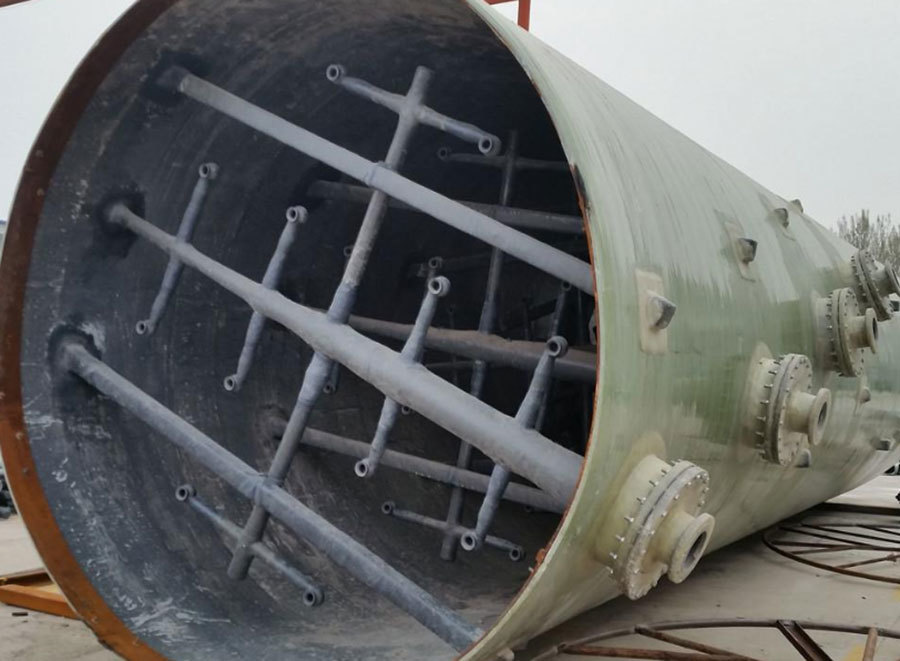
In the realm of industrial equipment, non-ferrous smelting equipment plays a crucial role in the processing of metals other than iron. These metals, which include aluminum, copper, lead, and zinc, require specialized techniques and equipment for efficient extraction and refining. Understanding how this equipment operates, as well as its significance in the smelting process, can empower businesses to enhance their production capabilities.
At its core, non-ferrous smelting equipment is designed to facilitate the extraction of valuable metals from ores or recycled materials. The smelting process involves heating the raw materials to high temperatures, allowing for the separation of metal from impurities. This process not only increases the yield of valuable metals but also contributes to recycling efforts by processing scrap materials.
One of the key components of non-ferrous smelting equipment is the furnace. There are different types of furnaces used, each tailored to specific metal types and production scales. For instance, electric arc furnaces are commonly used for steel and some non-ferrous metals due to their efficiency and ability to maintain precise temperatures. Induction furnaces are another option, known for their energy efficiency and ability to handle various metal alloys.
In addition to furnaces, non-ferrous smelting operations often incorporate various auxiliary equipment such as converters, refining units, and pollution control systems. Converters are essential for transforming the molten metal into a more refined state, while refining units further purify the metal, ensuring that it meets industry standards. Pollution control systems are crucial for mitigating the environmental impact of smelting operations, utilizing advanced technologies to capture and treat emissions before they are released into the atmosphere.
Investing in high-quality non-ferrous smelting equipment not only improves operational efficiency but also enhances product quality. With advancements in technology, modern smelting equipment is designed to maximize energy efficiency, reduce emissions, and minimize waste. This is particularly important in today’s sustainability-focused market, where companies are increasingly seeking eco-friendly solutions.
Furthermore, proper maintenance and regular inspections of non-ferrous smelting equipment are essential to ensure optimal performance. Establishing maintenance schedules and training personnel on best practices can lead to significant improvements in uptime and productivity.
In conclusion, non-ferrous smelting equipment is a vital component of the industrial landscape, enabling the efficient extraction and processing of valuable metals. By understanding the various types of equipment available and their respective functions, businesses can make informed decisions that enhance their operational effectiveness while contributing to sustainability initiatives.
At its core, non-ferrous smelting equipment is designed to facilitate the extraction of valuable metals from ores or recycled materials. The smelting process involves heating the raw materials to high temperatures, allowing for the separation of metal from impurities. This process not only increases the yield of valuable metals but also contributes to recycling efforts by processing scrap materials.
One of the key components of non-ferrous smelting equipment is the furnace. There are different types of furnaces used, each tailored to specific metal types and production scales. For instance, electric arc furnaces are commonly used for steel and some non-ferrous metals due to their efficiency and ability to maintain precise temperatures. Induction furnaces are another option, known for their energy efficiency and ability to handle various metal alloys.
In addition to furnaces, non-ferrous smelting operations often incorporate various auxiliary equipment such as converters, refining units, and pollution control systems. Converters are essential for transforming the molten metal into a more refined state, while refining units further purify the metal, ensuring that it meets industry standards. Pollution control systems are crucial for mitigating the environmental impact of smelting operations, utilizing advanced technologies to capture and treat emissions before they are released into the atmosphere.
Investing in high-quality non-ferrous smelting equipment not only improves operational efficiency but also enhances product quality. With advancements in technology, modern smelting equipment is designed to maximize energy efficiency, reduce emissions, and minimize waste. This is particularly important in today’s sustainability-focused market, where companies are increasingly seeking eco-friendly solutions.
Furthermore, proper maintenance and regular inspections of non-ferrous smelting equipment are essential to ensure optimal performance. Establishing maintenance schedules and training personnel on best practices can lead to significant improvements in uptime and productivity.
In conclusion, non-ferrous smelting equipment is a vital component of the industrial landscape, enabling the efficient extraction and processing of valuable metals. By understanding the various types of equipment available and their respective functions, businesses can make informed decisions that enhance their operational effectiveness while contributing to sustainability initiatives.
TAG:
Contact Us
Company Email:
962452762@qq.com
Contact Number:
+8615670922562
Company Address:
No. 11 Plant, Tiantan Industrial Park, Huling Industrial Cluster, Jiyuan City

Address: No. 11 Plant, Tiantan Industrial Park, Huling Industrial Cluster, Jiyuan City

Scan with WeChat
Copyright © Xinyu Metallurgical Equipment Co., Ltd.
SAF Coolest v1.3.1.2 设置面板 GAGSE-ZGYF-JXSZE-AED
违禁词: First, best, top-notch, leading, unique, king, leader, leader, ultimate,
无数据提示
Sorry, this column is currently being updated. Please stay tuned!
You can view other columns or returnHomepage