Address: No. 11 Plant, Tiantan Industrial Park, Huling Industrial Cluster, Jiyuan City

Essential Insights into Lead Smelting Equipment for Industrial Applications
Mar 12,2026
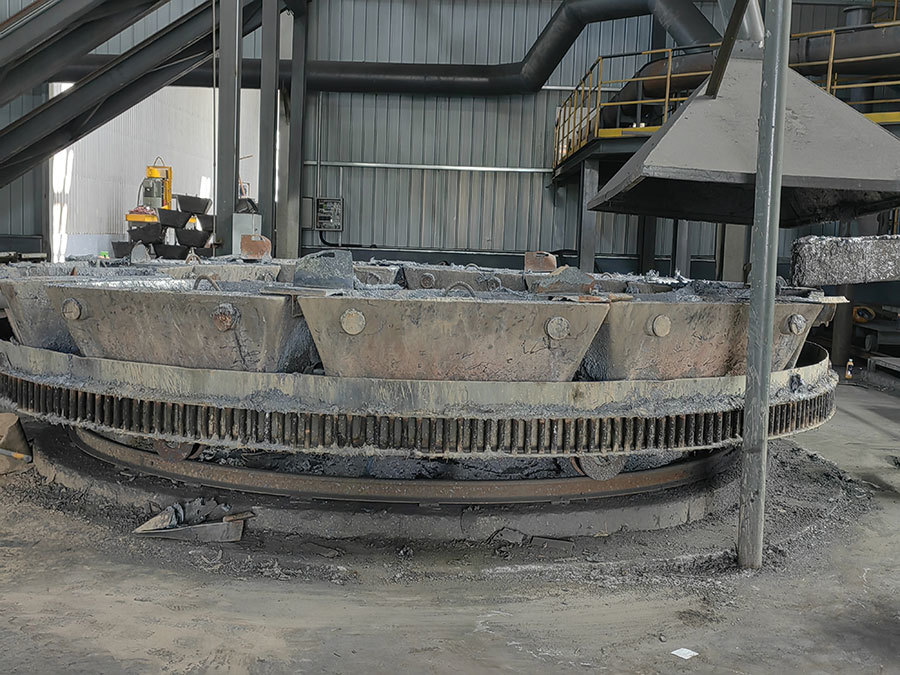
Lead smelting equipment plays a critical role in the recycling and processing of lead materials within various industrial applications. Lead smelting is a vital process that transforms lead-containing ores or recycled materials into usable lead, which is in high demand for battery manufacturing, construction materials, and various other applications.
There are several types of lead smelting equipment available, each designed to cater to specific industrial needs. The most common types include blast furnaces, induction furnaces, and reverberatory furnaces. Blast furnaces are typically used for large-scale operations, utilizing high temperatures to reduce lead ores efficiently. Induction furnaces, known for their energy efficiency and quick melting capabilities, are often employed in smaller operations or when flexibility in production is required. Reverberatory furnaces are traditionally used for smelting secondary lead and are favored for their ability to process mixed materials.
When selecting lead smelting equipment, it is crucial to consider the type and quality of the raw materials being processed. The efficiency of the smelting process can significantly impact the yield and purity of the lead produced. Additionally, the choice of equipment can influence operational costs, energy consumption, and the overall environmental footprint of the smelting process.
Safety is another paramount consideration in the lead smelting industry. Lead is a toxic metal, and exposure can pose serious health risks to workers. Therefore, it is essential to implement effective safety measures, including proper ventilation systems, protective gear for workers, and comprehensive training on handling materials and equipment. Investing in advanced lead smelting equipment that incorporates safety features can help mitigate risks and ensure compliance with industry regulations.
Furthermore, technology advancements have led to the development of automated lead smelting systems, which enhance precision, reduce labor costs, and improve overall efficiency. These systems often include integrated monitoring and control technologies that provide real-time data on the smelting process, allowing for timely adjustments and optimization.
In conclusion, understanding lead smelting equipment is crucial for industries involved in lead processing. By selecting the appropriate type of equipment, ensuring safety compliance, and leveraging technological advancements, businesses can enhance their operational efficiency and product quality. Whether you are involved in large-scale production or smaller operations, investing in the right lead smelting equipment will significantly impact your success in the industry.
There are several types of lead smelting equipment available, each designed to cater to specific industrial needs. The most common types include blast furnaces, induction furnaces, and reverberatory furnaces. Blast furnaces are typically used for large-scale operations, utilizing high temperatures to reduce lead ores efficiently. Induction furnaces, known for their energy efficiency and quick melting capabilities, are often employed in smaller operations or when flexibility in production is required. Reverberatory furnaces are traditionally used for smelting secondary lead and are favored for their ability to process mixed materials.
When selecting lead smelting equipment, it is crucial to consider the type and quality of the raw materials being processed. The efficiency of the smelting process can significantly impact the yield and purity of the lead produced. Additionally, the choice of equipment can influence operational costs, energy consumption, and the overall environmental footprint of the smelting process.
Safety is another paramount consideration in the lead smelting industry. Lead is a toxic metal, and exposure can pose serious health risks to workers. Therefore, it is essential to implement effective safety measures, including proper ventilation systems, protective gear for workers, and comprehensive training on handling materials and equipment. Investing in advanced lead smelting equipment that incorporates safety features can help mitigate risks and ensure compliance with industry regulations.
Furthermore, technology advancements have led to the development of automated lead smelting systems, which enhance precision, reduce labor costs, and improve overall efficiency. These systems often include integrated monitoring and control technologies that provide real-time data on the smelting process, allowing for timely adjustments and optimization.
In conclusion, understanding lead smelting equipment is crucial for industries involved in lead processing. By selecting the appropriate type of equipment, ensuring safety compliance, and leveraging technological advancements, businesses can enhance their operational efficiency and product quality. Whether you are involved in large-scale production or smaller operations, investing in the right lead smelting equipment will significantly impact your success in the industry.
TAG:
Contact Us
Company Email:
962452762@qq.com
Contact Number:
+8615670922562
Company Address:
No. 11 Plant, Tiantan Industrial Park, Huling Industrial Cluster, Jiyuan City

Address: No. 11 Plant, Tiantan Industrial Park, Huling Industrial Cluster, Jiyuan City

Scan with WeChat
Copyright © Xinyu Metallurgical Equipment Co., Ltd.
SAF Coolest v1.3.1.2 设置面板 GAGSE-ZGYF-JXSZE-AED
违禁词: First, best, top-notch, leading, unique, king, leader, leader, ultimate,
无数据提示
Sorry, this column is currently being updated. Please stay tuned!
You can view other columns or returnHomepage