Address: No. 11 Plant, Tiantan Industrial Park, Huling Industrial Cluster, Jiyuan City

The Future of Recycling: Innovations in Copper Smelting Equipment
Mar 09,2026
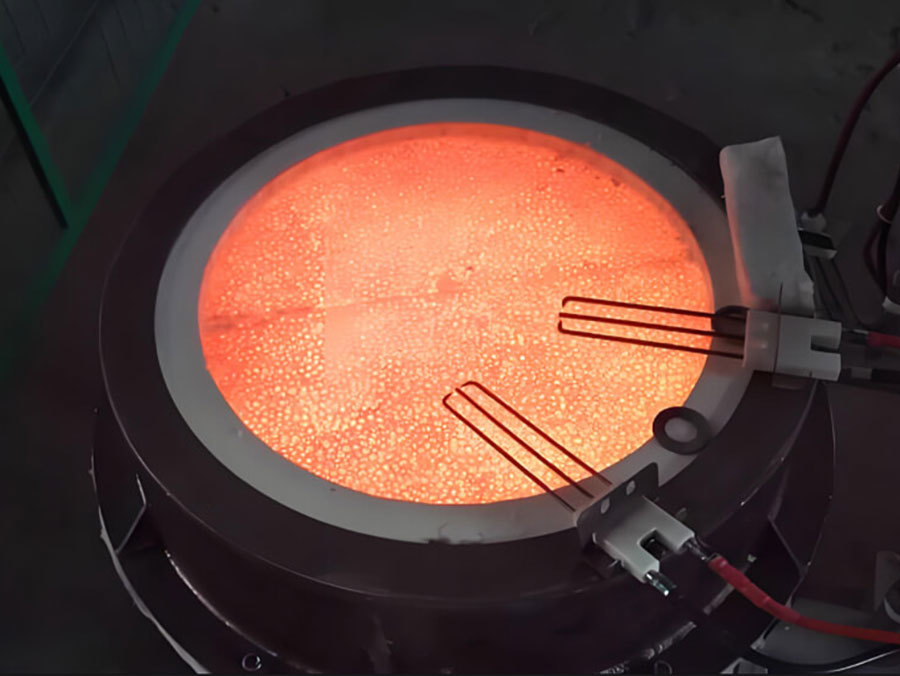
The Future of Recycling: Innovations in Copper Smelting Equipment
Table of Contents
- 1. Introduction to Copper Smelting and Recycling
- 2. Current State of Copper Recycling
- 3. Importance of Innovations in Copper Smelting
- 4. New Technologies Revolutionizing Copper Smelting
- 5. Energy Efficiency in Modern Smelting Processes
- 6. Environmental Impact and Compliance
- 7. Future Trends in Copper Smelting Equipment
- 8. Challenges Facing the Copper Recycling Industry
- 9. Conclusion
- 10. FAQs
1. Introduction to Copper Smelting and Recycling
Copper smelting is a critical process in the recycling industry, transforming raw copper ore and scrap metal into pure copper that can be reused in various applications. As the demand for copper continues to rise, the need for efficient and sustainable smelting techniques is more important than ever. Innovations in copper smelting equipment are paving the way for improvements that not only enhance productivity but also reduce the environmental impact associated with traditional methods. This article delves into the latest advancements in copper smelting equipment and their implications for the future of recycling.
2. Current State of Copper Recycling
The global copper recycling market has been experiencing significant growth, driven by increasing environmental concerns and the push for sustainable practices. Currently, a substantial percentage of copper produced worldwide comes from recycled materials. This shift is essential as primary copper extraction impacts the environment through carbon emissions and habitat destruction. The recycling process not only conserves natural resources but also requires less energy compared to smelting from virgin ores.
2.1 Benefits of Copper Recycling
Copper recycling offers numerous advantages, including:
- **Reduced energy consumption**: Recycling copper uses up to 85% less energy than extracting and smelting copper from ore.
- **Lower greenhouse gas emissions**: The energy savings translate to reduced carbon footprints, contributing positively to the fight against climate change.
- **Conservation of resources**: Utilizing existing copper resources prevents the depletion of natural reserves, ensuring sustainability for future generations.
3. Importance of Innovations in Copper Smelting
As the recycling industry evolves, the importance of innovation in copper smelting equipment cannot be overstated. These advancements are vital for improving efficiency, reducing operational costs, and meeting increasingly stringent environmental regulations. Innovative technologies not only streamline processes but also enhance the quality of the final product, making recycled copper more competitive in the market.
4. New Technologies Revolutionizing Copper Smelting
Several cutting-edge technologies are emerging in the copper smelting sector, effectively transforming traditional practices. Below are some noteworthy innovations:
4.1 Flash Smelting Technology
Flash smelting is a process that allows for the immediate smelting of copper concentrate without the need for preliminary roasting. This method reduces energy consumption and emissions while increasing productivity. The flash smelting furnace operates at higher temperatures, ensuring efficient metal recovery and minimizing waste generation.
4.2 Hydrometallurgy
Hydrometallurgy involves the use of aqueous solutions to extract metals from ores, concentrates, or recycled materials. This technique offers a more environmentally friendly approach to copper recovery, with lower energy requirements and reduced emissions compared to traditional pyrometallurgical processes.
4.3 Electrowinning
Electrowinning is a method that applies electrical currents to separate metals from their ores or solutions. In copper recycling, electrowinning provides a clean approach to producing high-purity copper, increasing the overall efficiency of the smelting process.
5. Energy Efficiency in Modern Smelting Processes
Energy efficiency is a paramount concern in copper smelting, as it directly impacts operational costs and environmental sustainability. Innovations in equipment design and operation have led to significant improvements in energy efficiency.
5.1 Heat Recovery Systems
Advanced heat recovery systems capture waste heat generated during the smelting process and repurpose it for other operations, such as pre-heating incoming materials or generating steam for power generation. This technology not only saves energy but also reduces emissions associated with traditional heating methods.
5.2 Automation and Monitoring Technologies
The integration of automation and real-time monitoring technologies in smelting operations enhances energy management. Automated systems optimize fuel usage, reduce downtime, and enable predictive maintenance, leading to lower energy costs and improved operational efficiency.
6. Environmental Impact and Compliance
With increasing regulations aimed at reducing environmental impact, compliance has become a critical aspect of copper recycling operations. Innovative smelting technologies are designed to minimize emissions and waste, ensuring that operations meet or exceed regulatory standards.
6.1 Emission Control Systems
Modern copper smelting facilities are equipped with sophisticated emission control systems, including scrubbers and filters, to capture pollutants before they are released into the atmosphere. These systems significantly reduce sulfur dioxide emissions and particulate matter, contributing to cleaner air and a healthier environment.
6.2 Sustainable Practices in Smelting
Sustainability is at the forefront of innovation in copper smelting. Practices such as water recycling, waste management, and the use of renewable energy sources are being integrated into smelting operations. This transition not only meets regulatory requirements but also enhances the overall sustainability of the recycling industry.
7. Future Trends in Copper Smelting Equipment
The future of copper smelting is bright, with numerous trends poised to shape the industry.
7.1 Digital Transformation
The increasing adoption of digital technologies, such as the Internet of Things (IoT) and artificial intelligence (AI), is revolutionizing copper smelting operations. These technologies enable real-time data analysis, predictive maintenance, and enhanced decision-making processes, ultimately improving efficiency and productivity.
7.2 Biotechnologies in Copper Recovery
Research into biotechnology applications in copper recovery is gaining momentum. Methods that utilize microorganisms to extract copper from ores or scrap materials present an environmentally friendly alternative to traditional smelting processes. These biotechnologies can lead to lower energy consumption and reduced emissions.
8. Challenges Facing the Copper Recycling Industry
Despite the numerous advancements in copper smelting equipment, the industry faces several challenges.
8.1 Market Volatility and Prices
The copper market is subject to fluctuations in demand and pricing, which can impact the profitability of recycling operations. Companies must develop strategies to navigate these fluctuations while maintaining competitive pricing.
8.2 Technological Obsolescence
Rapid technological advancements can render existing equipment obsolete. Companies must invest in continuous upgrades and training to keep pace with innovations and maintain operational efficiency.
9. Conclusion
The innovations in copper smelting equipment are crucial for the future of recycling, enhancing efficiency, sustainability, and profitability. As the industry continues to evolve, staying abreast of technological advancements and embracing sustainable practices will be key to meeting the demands of the market and the environment. The ongoing commitment to innovation will not only improve the recycling process but will also contribute to a circular economy where resources are utilized efficiently and responsibly.
10. FAQs
1. What is copper smelting?
Copper smelting is the process of extracting copper metal from its ore or scrap materials through heating and chemical reactions.
2. Why is recycling copper important?
Recycling copper is essential for conserving natural resources, reducing energy consumption, and minimizing environmental impact.
3. What are the benefits of flash smelting technology?
Flash smelting technology offers reduced energy consumption, lower emissions, and increased productivity compared to traditional smelting methods.
4. How does hydrometallurgy work in copper recycling?
Hydrometallurgy uses aqueous solutions to extract metals from ores or recycled materials, providing a more environmentally friendly and energy-efficient recovery method.
5. What challenges does the copper recycling industry face?
The copper recycling industry faces challenges such as market volatility, technological obsolescence, and compliance with stringent environmental regulations.
TAG:
Contact Us
Company Email:
962452762@qq.com
Contact Number:
+8615670922562
Company Address:
No. 11 Plant, Tiantan Industrial Park, Huling Industrial Cluster, Jiyuan City

Address: No. 11 Plant, Tiantan Industrial Park, Huling Industrial Cluster, Jiyuan City

Scan with WeChat
Copyright © Xinyu Metallurgical Equipment Co., Ltd.
SAF Coolest v1.3.1.2 设置面板 GAGSE-ZGYF-JXSZE-AED
违禁词: First, best, top-notch, leading, unique, king, leader, leader, ultimate,
无数据提示
Sorry, this column is currently being updated. Please stay tuned!
You can view other columns or returnHomepage