Address: No. 11 Plant, Tiantan Industrial Park, Huling Industrial Cluster, Jiyuan City

Exploring the Benefits of Smelting Furnace Equipment in Modern Industries
Jan 25,2026
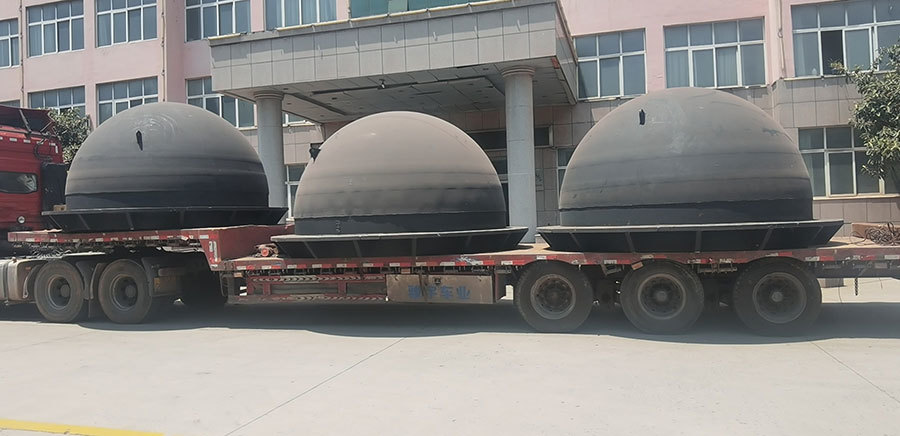
Exploring the Benefits of Smelting Furnace Equipment in Modern Industries
Table of Contents
- Introduction to Smelting Furnace Equipment
- Types of Smelting Furnaces Available
- Key Benefits of Smelting Furnace Equipment
- Enhanced Efficiency and Productivity
- Reduced Emissions and Environmental Impact
- Cost-effectiveness and Return on Investment
- Versatility in Metal Processing
- Technological Advancements in Smelting Equipment
- Applications of Smelting Furnaces in Various Industries
- The Future of Smelting Technologies
- Conclusion
- FAQs about Smelting Furnace Equipment
Introduction to Smelting Furnace Equipment
The process of smelting is a critical component in metallurgical operations, enabling industries to extract valuable metals from their ores. Smelting furnaces are specialized pieces of equipment designed to provide the high temperatures and controlled environments necessary for this process. In modern manufacturing, these furnaces have evolved significantly, incorporating advanced technologies that enhance their performance, efficiency, and environmental sustainability.
As industries continue to focus on innovation and sustainability, understanding the benefits of modern smelting furnace equipment becomes paramount. This article will explore the various types of smelting furnaces, their key benefits, and their applications in different sectors, helping you to grasp the transformative potential of these technologies.
Types of Smelting Furnaces Available
The landscape of smelting furnace equipment is diverse, with several types designed for specific applications and materials. Understanding these variations is essential for selecting the right furnace for your operational needs.
Induction Furnaces
Induction furnaces utilize electromagnetic induction to heat and melt metals. They are known for their efficiency, as they can achieve very high temperatures quickly and with precise control. The main benefits of induction furnaces include:
- **Energy Efficiency**: Induction heating is highly efficient, often requiring less energy compared to traditional smelting methods.
- **Flexibility**: They can melt a wide range of metals, from ferrous to non-ferrous, making them versatile in various applications.
- **Minimal Contamination**: The closed environment reduces the risk of contamination during the melting process, ensuring high-quality output.
Arc Furnaces
Electric arc furnaces (EAFs) use an electric arc to generate heat for melting metals. They are particularly popular in the steel industry and offer several advantages:
- **High Production Rates**: EAFs are capable of producing large quantities of steel, making them suitable for high-demand environments.
- **Lower Operating Costs**: While initial investments may be high, EAFs often have lower operational costs due to reduced energy consumption and raw material usage.
- **Environmentally Friendly**: EAFs produce fewer emissions compared to traditional blast furnaces, aligning with global sustainability goals.
Blast Furnaces
Blast furnaces have been a cornerstone of metal production for centuries. They operate by combining iron ore, coke, and limestone, which undergo chemical reactions to produce molten iron. Key benefits include:
- **Large-Scale Production**: Blast furnaces excel at producing large volumes of iron, making them essential for meeting industrial demands.
- **Cost Per Ton**: When optimized, the cost of production per ton of iron can be significantly lower compared to alternative methods.
- **By-Product Recovery**: Modern blast furnaces often incorporate systems to capture and utilize by-products, further enhancing their efficiency and environmental performance.
Key Benefits of Smelting Furnace Equipment
Investing in modern smelting furnace equipment yields numerous advantages that directly impact productivity, efficiency, and sustainability. Below, we outline the primary benefits that these advanced technologies offer to modern industries.
Enhanced Efficiency and Productivity
The efficiency of modern smelting furnaces is one of their most significant benefits. Advanced heating techniques and automated control systems allow for optimal melting temperatures and faster processing times. This increase in efficiency translates to higher production rates, enabling businesses to meet growing demands without compromising quality.
For instance, induction furnaces can reach melting temperatures in a fraction of the time compared to traditional methods. This rapid heating capability not only reduces waiting times but also minimizes energy waste, contributing to more sustainable operations.
Reduced Emissions and Environmental Impact
In an era where environmental concerns are at the forefront, modern smelting furnace equipment plays a crucial role in minimizing emissions. Technologies such as electric arc furnaces produce significantly lower greenhouse gas emissions compared to traditional blast furnaces. Additionally, many modern furnaces are equipped with advanced filtration and scrubbing systems that capture and neutralize harmful pollutants before they can enter the atmosphere.
This commitment to sustainability meets regulatory demands and enhances a company’s reputation as a responsible player in the industry. By investing in cleaner technologies, businesses can not only reduce their carbon footprint but also improve their overall operational efficiency.
Cost-effectiveness and Return on Investment
While the initial investment in modern smelting furnace equipment can be substantial, the long-term cost-effectiveness is undeniable. The reduction in energy consumption, raw material waste, and labor costs leads to a quicker return on investment. Moreover, advanced control systems allow for precise management of resources, ultimately reducing operational expenses.
Additionally, the ability to produce higher-quality metals with fewer defects and waste translates to cost savings throughout the supply chain. Companies that embrace modern smelting technologies can position themselves competitively in the market, reaping financial benefits over time.
Versatility in Metal Processing
Modern smelting furnaces are incredibly versatile, capable of processing a wide range of metals and alloys. This flexibility allows manufacturers to adapt to changing market demands and produce various products without extensive modifications to their equipment.
For example, induction furnaces can easily switch between different metals, facilitating operations that require rapid changes in production. This adaptability not only streamlines processes but also reduces the need for additional equipment, saving both space and investment.
Technological Advancements in Smelting Equipment
The smelting industry has witnessed significant technological advancements in recent years, leading to smarter, more efficient equipment. Innovations such as automation, real-time monitoring, and data analytics are transforming how smelting operations are conducted.
Automation and Control Systems
Modern smelting furnaces often feature automated control systems that optimize the melting process. These systems can monitor temperature, energy consumption, and material input in real-time, allowing for precise adjustments that enhance efficiency and reduce waste.
For instance, advanced sensors can detect any fluctuations in temperature, enabling immediate corrective actions to maintain optimal conditions. This level of automation not only improves productivity but also reduces the risk of human error, ensuring consistent output quality.
Data-Driven Insights
With the rise of Industry 4.0, data analytics plays an increasingly vital role in smelting operations. By collecting and analyzing operational data, manufacturers can identify trends, inefficiencies, and areas for improvement.
For example, predictive maintenance analytics can forecast potential equipment failures before they occur, minimizing downtime and extending the lifespan of the furnace. By leveraging data-driven insights, companies can make informed decisions that enhance both operational performance and profitability.
Applications of Smelting Furnaces in Various Industries
Smelting furnace equipment serves a crucial role across several industries, each with specific needs and applications. Understanding how these furnaces are utilized can help highlight their significance in the modern industrial landscape.
Aerospace and Automotive Industries
In the aerospace and automotive sectors, the demand for high-performance materials is ever-growing. Smelting furnaces play a pivotal role in producing lightweight and durable alloys, essential for enhancing the efficiency and safety of vehicles and aircraft.
For instance, aluminum and titanium alloys are often produced using induction furnaces, which offer the precision and control necessary for creating high-quality materials that meet stringent industry standards.
Construction and Infrastructure
The construction industry relies heavily on steel and other metals produced through smelting processes. Blast furnaces, in particular, are integral to producing large quantities of steel for structural applications. As infrastructure projects expand globally, the need for reliable and efficient smelting technology becomes increasingly important.
Additionally, advancements in smelting technologies contribute to the development of high-strength steel, which enhances the safety and longevity of construction projects.
Electronics and Electrical Industries
The electronics industry requires specific materials, such as copper and precious metals, for manufacturing components. Smelting furnaces are essential in extracting and refining these materials, ensuring a steady supply for electronic manufacturing.
Induction furnaces, in particular, are favored for their precision and ability to produce high-purity metals, which are critical for the performance of electronic devices.
The Future of Smelting Technologies
As industries continue to evolve, so too will smelting technologies. The future will likely see further advancements aimed at enhancing sustainability and efficiency.
Emerging technologies such as hydrogen-based smelting processes are gaining attention as potential solutions for reducing carbon emissions associated with traditional smelting methods. By harnessing renewable energy sources and innovative techniques, the industry can move toward a more sustainable future.
Moreover, advancements in automation and artificial intelligence will continue to revolutionize smelting operations, leading to greater efficiency, quality control, and responsiveness to market demands.
Conclusion
The benefits of modern smelting furnace equipment are undeniable and play a crucial role in shaping the future of various industries. From enhanced efficiency and reduced emissions to cost-effectiveness and versatility, these advanced technologies offer a competitive edge in today’s manufacturing landscape.
By understanding the different types of smelting furnaces and their applications, businesses can make informed decisions that drive productivity and sustainability. As we look to the future, continued innovation in smelting technologies will undoubtedly pave the way for a more efficient and environmentally friendly industrial sector.
FAQs about Smelting Furnace Equipment
1. What is a smelting furnace?
A smelting furnace is a specialized piece of equipment used to extract metals from their ores through the application of heat.
2. What types of metals can be processed in smelting furnaces?
Smelting furnaces can process a wide variety of metals, including iron, aluminum, copper, and precious metals like gold and silver.
3. How do induction furnaces work?
Induction furnaces use electromagnetic induction to generate heat, melting metals quickly and efficiently without direct contact with a flame.
4. Are electric arc furnaces environmentally friendly?
Yes, electric arc furnaces produce significantly lower emissions compared to traditional blast furnaces and can utilize recycled materials, making them a more sustainable option.
5. What advancements can we expect in smelting technologies?
Future advancements may include hydrogen-based smelting processes, increased automation, and enhanced data analytics for optimizing operations and reducing emissions.
TAG:
Previous:
Contact Us
Company Email:
962452762@qq.com
Contact Number:
+8615670922562
Company Address:
No. 11 Plant, Tiantan Industrial Park, Huling Industrial Cluster, Jiyuan City

Address: No. 11 Plant, Tiantan Industrial Park, Huling Industrial Cluster, Jiyuan City

Scan with WeChat
Copyright © Xinyu Metallurgical Equipment Co., Ltd.
SAF Coolest v1.3.1.2 设置面板 GAGSE-ZGYF-JXSZE-AED
违禁词: First, best, top-notch, leading, unique, king, leader, leader, ultimate,
无数据提示
Sorry, this column is currently being updated. Please stay tuned!
You can view other columns or returnHomepage