Address: No. 11 Plant, Tiantan Industrial Park, Huling Industrial Cluster, Jiyuan City

Understanding Non-Ferrous Smelting Equipment: A Comprehensive Overview
Jan 22,2026
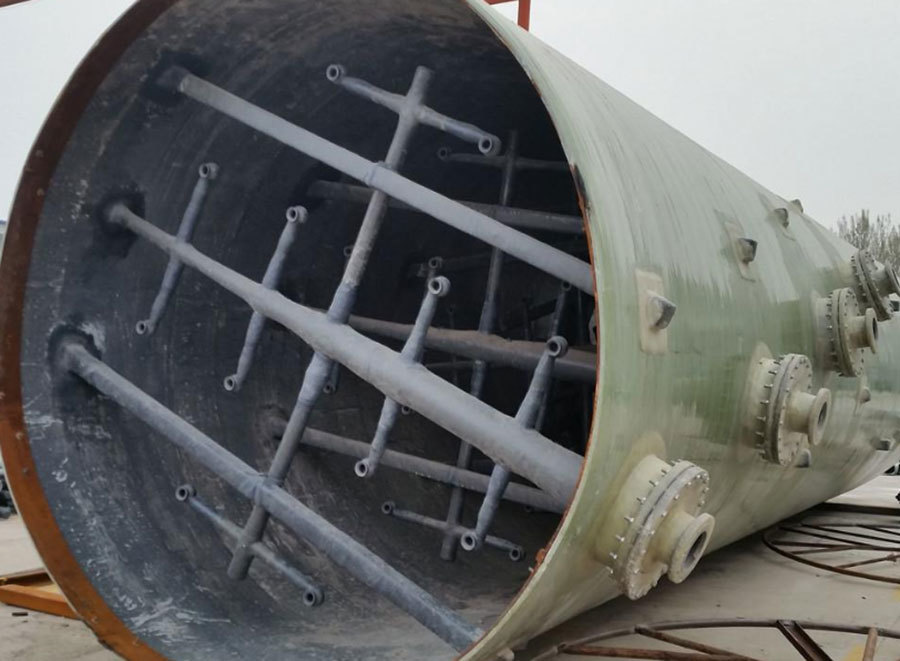
Non-ferrous smelting equipment plays a critical role in the extraction and processing of metals that do not contain significant amounts of iron, such as copper, aluminum, lead, and zinc. Unlike ferrous metallurgy, non-ferrous smelting focuses on metals that are typically more resistant to corrosion and have unique properties, making them essential for a wide range of applications in industries like construction, electronics, and automotive manufacturing.
The smelting process involves heating ores to high temperatures to extract valuable metals, often requiring specialized equipment designed to handle the specific characteristics of non-ferrous materials. Key components of this equipment include furnaces, converters, and refining units. Each of these plays a distinct role in ensuring the efficient extraction of metals while minimizing impurities and waste.
Furnaces, such as electric arc and induction furnaces, are commonly used in non-ferrous smelting. Electric arc furnaces, which utilize electrical energy to produce heat, are particularly advantageous due to their ability to achieve high temperatures rapidly and their flexibility in handling various materials. Induction furnaces, on the other hand, use electromagnetic fields to melt metals, providing precise temperature control and energy efficiency.
Moreover, the advancement of technology in non-ferrous smelting equipment has led to the development of more sustainable practices. Modern systems incorporate automated processes and pollution control technologies that reduce emissions and improve overall operational efficiency. For instance, the integration of advanced sensors and data analytics allows for real-time monitoring of the smelting process, ensuring optimal performance and safety.
In addition to energy efficiency, the selection of appropriate non-ferrous smelting equipment is crucial for achieving high-quality output. Each metal requires specific conditions during the smelting process, and understanding these requirements is vital for metallurgists and engineers alike. This specialized knowledge ensures that the equipment is tailored to meet the unique challenges posed by different materials, ultimately leading to improved yield and quality.
Furthermore, the global demand for non-ferrous metals continues to rise, driven by technological advancements and the shift toward green energy solutions. As industries increasingly seek lightweight and corrosion-resistant materials, the importance of efficient non-ferrous smelting equipment cannot be overstated. By investing in state-of-the-art technology, companies can enhance their production capabilities while adhering to environmental regulations.
In conclusion, non-ferrous smelting equipment is pivotal to the metal extraction industry, enabling the efficient and sustainable processing of essential materials. As technology evolves, the opportunities for improvement in this field continue to expand, promising a future where non-ferrous materials can be sourced and utilized more effectively than ever before. Understanding these advancements is crucial for professionals looking to stay ahead in the competitive landscape of industrial equipment and components.
The smelting process involves heating ores to high temperatures to extract valuable metals, often requiring specialized equipment designed to handle the specific characteristics of non-ferrous materials. Key components of this equipment include furnaces, converters, and refining units. Each of these plays a distinct role in ensuring the efficient extraction of metals while minimizing impurities and waste.
Furnaces, such as electric arc and induction furnaces, are commonly used in non-ferrous smelting. Electric arc furnaces, which utilize electrical energy to produce heat, are particularly advantageous due to their ability to achieve high temperatures rapidly and their flexibility in handling various materials. Induction furnaces, on the other hand, use electromagnetic fields to melt metals, providing precise temperature control and energy efficiency.
Moreover, the advancement of technology in non-ferrous smelting equipment has led to the development of more sustainable practices. Modern systems incorporate automated processes and pollution control technologies that reduce emissions and improve overall operational efficiency. For instance, the integration of advanced sensors and data analytics allows for real-time monitoring of the smelting process, ensuring optimal performance and safety.
In addition to energy efficiency, the selection of appropriate non-ferrous smelting equipment is crucial for achieving high-quality output. Each metal requires specific conditions during the smelting process, and understanding these requirements is vital for metallurgists and engineers alike. This specialized knowledge ensures that the equipment is tailored to meet the unique challenges posed by different materials, ultimately leading to improved yield and quality.
Furthermore, the global demand for non-ferrous metals continues to rise, driven by technological advancements and the shift toward green energy solutions. As industries increasingly seek lightweight and corrosion-resistant materials, the importance of efficient non-ferrous smelting equipment cannot be overstated. By investing in state-of-the-art technology, companies can enhance their production capabilities while adhering to environmental regulations.
In conclusion, non-ferrous smelting equipment is pivotal to the metal extraction industry, enabling the efficient and sustainable processing of essential materials. As technology evolves, the opportunities for improvement in this field continue to expand, promising a future where non-ferrous materials can be sourced and utilized more effectively than ever before. Understanding these advancements is crucial for professionals looking to stay ahead in the competitive landscape of industrial equipment and components.
TAG:
Contact Us
Company Email:
962452762@qq.com
Contact Number:
+8615670922562
Company Address:
No. 11 Plant, Tiantan Industrial Park, Huling Industrial Cluster, Jiyuan City

Address: No. 11 Plant, Tiantan Industrial Park, Huling Industrial Cluster, Jiyuan City

Scan with WeChat
Copyright © Xinyu Metallurgical Equipment Co., Ltd.
SAF Coolest v1.3.1.2 设置面板 GAGSE-ZGYF-JXSZE-AED
违禁词: First, best, top-notch, leading, unique, king, leader, leader, ultimate,
无数据提示
Sorry, this column is currently being updated. Please stay tuned!
You can view other columns or returnHomepage