Address: No. 11 Plant, Tiantan Industrial Park, Huling Industrial Cluster, Jiyuan City

Understanding Lead Refining Furnace: A Key Component in Smelting Processes
Jan 10,2026
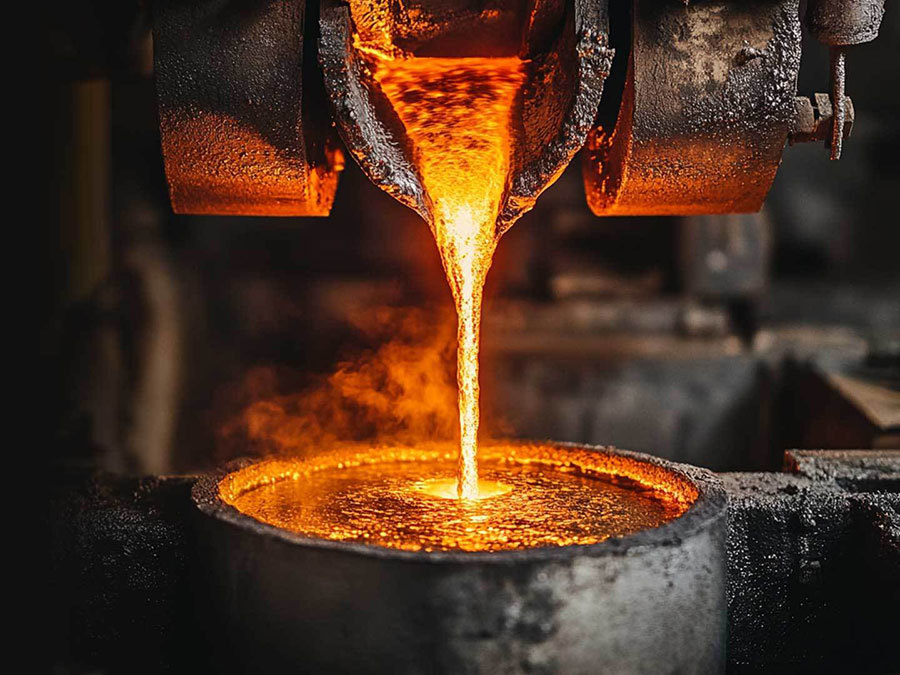
The lead refining furnace is a critical component in the metal smelting industry, particularly for the purification of lead from various sources. Understanding its operational mechanisms and significance can greatly enhance the efficiency and effectiveness of smelting processes.
At its core, the lead refining furnace operates by applying heat to lead-containing materials in order to separate impurities from the desired metal. This is typically achieved through a combination of thermal, chemical, and physical processes. The furnace is designed to maintain high temperatures, typically ranging from 1,000 to 1,200 degrees Celsius, which are necessary for melting lead and facilitating the reactions required for refining.
One of the primary functions of the lead refining furnace is to remove unwanted elements such as antimony, arsenic, and other metals that can contaminate the lead. The process often involves the addition of fluxes, which are materials that help in forming a slag—a byproduct that captures impurities. The efficiency of this process is crucial, as higher purity levels of lead are required for various applications, including battery manufacturing, radiation shielding, and soldering materials.
In addition to operational efficiency, environmental considerations are increasingly relevant in the design and operation of lead refining furnaces. Modern furnaces are often equipped with advanced filtration and gas cleaning systems to minimize emissions and ensure compliance with environmental regulations. This not only helps in protecting the environment but also enhances the overall sustainability of metal refining operations.
The choice of technology for a lead refining furnace can significantly impact the productivity and cost-effectiveness of the smelting process. Companies may opt for different furnace designs, such as batch or continuous systems, depending on their production needs and material characteristics. Continuous furnaces, for example, offer the advantage of steady operation and can handle larger volumes, while batch furnaces may provide more flexibility for varying material inputs.
Furthermore, the integration of automation and monitoring technologies in lead refining furnaces is becoming more prevalent. These advancements allow for real-time tracking of temperature, chemical composition, and other vital parameters, leading to more precise control over the refining process. Enhanced monitoring not only improves yield but also reduces the risk of operational issues.
In conclusion, the lead refining furnace plays a pivotal role in the smelting industry by ensuring the production of high-purity lead while adhering to environmental standards. Understanding its operational principles and the latest technological advancements can benefit professionals in the field, aiding them in optimizing their smelting processes and achieving better outcomes in lead purification.
At its core, the lead refining furnace operates by applying heat to lead-containing materials in order to separate impurities from the desired metal. This is typically achieved through a combination of thermal, chemical, and physical processes. The furnace is designed to maintain high temperatures, typically ranging from 1,000 to 1,200 degrees Celsius, which are necessary for melting lead and facilitating the reactions required for refining.
One of the primary functions of the lead refining furnace is to remove unwanted elements such as antimony, arsenic, and other metals that can contaminate the lead. The process often involves the addition of fluxes, which are materials that help in forming a slag—a byproduct that captures impurities. The efficiency of this process is crucial, as higher purity levels of lead are required for various applications, including battery manufacturing, radiation shielding, and soldering materials.
In addition to operational efficiency, environmental considerations are increasingly relevant in the design and operation of lead refining furnaces. Modern furnaces are often equipped with advanced filtration and gas cleaning systems to minimize emissions and ensure compliance with environmental regulations. This not only helps in protecting the environment but also enhances the overall sustainability of metal refining operations.
The choice of technology for a lead refining furnace can significantly impact the productivity and cost-effectiveness of the smelting process. Companies may opt for different furnace designs, such as batch or continuous systems, depending on their production needs and material characteristics. Continuous furnaces, for example, offer the advantage of steady operation and can handle larger volumes, while batch furnaces may provide more flexibility for varying material inputs.
Furthermore, the integration of automation and monitoring technologies in lead refining furnaces is becoming more prevalent. These advancements allow for real-time tracking of temperature, chemical composition, and other vital parameters, leading to more precise control over the refining process. Enhanced monitoring not only improves yield but also reduces the risk of operational issues.
In conclusion, the lead refining furnace plays a pivotal role in the smelting industry by ensuring the production of high-purity lead while adhering to environmental standards. Understanding its operational principles and the latest technological advancements can benefit professionals in the field, aiding them in optimizing their smelting processes and achieving better outcomes in lead purification.
TAG:
Contact Us
Company Email:
962452762@qq.com
Contact Number:
+8615670922562
Company Address:
No. 11 Plant, Tiantan Industrial Park, Huling Industrial Cluster, Jiyuan City

Address: No. 11 Plant, Tiantan Industrial Park, Huling Industrial Cluster, Jiyuan City

Scan with WeChat
Copyright © Xinyu Metallurgical Equipment Co., Ltd.
SAF Coolest v1.3.1.2 设置面板 GAGSE-ZGYF-JXSZE-AED
违禁词: First, best, top-notch, leading, unique, king, leader, leader, ultimate,
无数据提示
Sorry, this column is currently being updated. Please stay tuned!
You can view other columns or returnHomepage