Address: No. 11 Plant, Tiantan Industrial Park, Huling Industrial Cluster, Jiyuan City

Metal Refining Equipment: Key Innovations Driving the Industry
Jan 07,2026
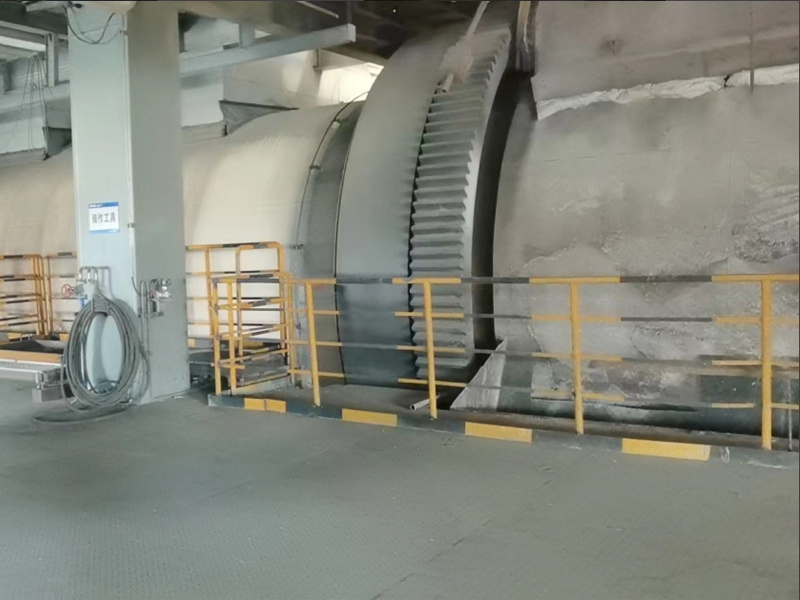
Metal Refining Equipment: Key Innovations Driving the Industry
Introduction to Metal Refining Equipment
The metal refining industry plays a pivotal role in the global economy, providing essential raw materials for various sectors, including automotive, aerospace, and construction. As the demand for refined metals continues to grow, so does the need for innovative equipment and technologies that enhance efficiency and sustainability. In this article, we delve into the key innovations driving the metal refining equipment industry, examining how these advancements are transforming operations, reducing costs, and promoting environmental responsibility.
Understanding Metal Refining Processes
Metal refining is a complex process that involves extracting and purifying metals from their ores. The primary stages include:
1. Ore Preparation
Before refining, ores must be crushed and ground to liberate the valuable metals. Innovations in grinding technology, such as high-pressure grinding rolls (HPGR), have significantly improved efficiency by reducing energy consumption and increasing throughput.
2. Smelting
Smelting is the process of heating ores to extract metals. The introduction of electric arc furnaces (EAF) has revolutionized this stage, allowing for greater control over temperature and composition, leading to higher quality metal production.
3. Refining
Refining removes impurities from the extracted metal. Techniques such as electrorefining and chemical refining have seen advancements, including the development of more efficient electrolytes and improved cell designs that enhance recovery rates.
4. Casting and Forming
Once refined, metals are cast into desired shapes. Innovations in continuous casting and advanced molding techniques have improved production speed and reduced waste, thereby increasing overall efficiency.
Innovations in Metal Refining Equipment
With the continuous evolution of technology, several key innovations are driving the metal refining equipment sector forward.
1. Automation and Digitalization
The integration of automation and digital technologies has transformed the metal refining landscape. Automated systems enhance operational efficiency by optimizing processes and reducing the risk of human error. Technologies such as the Internet of Things (IoT) enable real-time monitoring and data analysis, allowing for proactive decision-making and predictive maintenance.
Case Study: Predictive Maintenance in Action
In a leading copper refinery, the implementation of IoT sensors and analytics resulted in a 30% reduction in equipment downtime. By predicting failures before they occur, the facility minimized disruptions and maximized output.
2. Energy Efficiency Improvements
Energy consumption is a significant concern in metal refining, contributing to high operational costs and environmental impacts. New technologies, such as energy-efficient induction furnaces, have emerged, offering substantial reductions in energy use while maintaining high output levels.
Benefits of Induction Furnaces
Induction furnaces provide numerous advantages, including faster melting times, better temperature control, and reduced emissions. This helps facilities transition towards more sustainable practices, aligning with global sustainability goals.
3. Green Technologies and Sustainability Initiatives
The industry is increasingly focusing on sustainability, prompting the development of green technologies. Innovations such as hydrometallurgical processes—using aqueous solutions to extract metals—offer lower environmental impact compared to traditional pyrometallurgical methods.
Recycling and Circular Economy
The rise of the circular economy has also influenced metal refining. Technologies that enhance metal recycling capabilities are gaining traction, allowing for the recovery of valuable metals from scrap and waste materials. This not only conserves resources but also reduces the carbon footprint associated with metal production.
4. Advanced Materials and Coatings
The development of advanced materials and coatings for equipment used in metal refining has improved durability and efficiency. Innovations such as wear-resistant coatings and high-temperature alloys extend the lifespan of machinery, reducing maintenance costs and downtime.
Case Example: Wear-Resistant Coatings
A leading smelting company adopted advanced wear-resistant coatings for their furnace linings, resulting in a 25% increase in service life and significant cost savings over time.
5. Enhanced Safety Measures
Safety is a paramount concern in the metal refining industry. Innovations such as automated handling systems and improved ventilation technologies are being developed to create safer work environments. These advancements reduce the risk of accidents and enhance worker well-being.
The Future of Metal Refining Equipment
As technology continues to evolve, the future of metal refining equipment is poised for even more groundbreaking changes. Key trends to watch include:
1. Integration of Artificial Intelligence (AI)
AI has the potential to revolutionize the metal refining industry by enabling advanced analytics and machine learning. Predictive algorithms can optimize processes, improve quality control, and enhance decision-making capabilities.
2. Development of Smart Equipment
Smart equipment equipped with sensors and connectivity features will enable the industry to monitor performance in real-time, leading to enhanced efficiency and reduced operational costs. This will facilitate timely interventions, ensuring optimal performance throughout the refining process.
3. Adoption of Renewable Energy Sources
The push towards sustainability will see more metal refining facilities adopting renewable energy sources. Solar and wind energy integration into operations could significantly reduce reliance on fossil fuels, further promoting eco-friendly practices.
Impact on Operational Costs
The transition to renewable energy is expected to lower long-term operational costs, making facilities more competitive in the marketplace while contributing positively to environmental efforts.
Frequently Asked Questions (FAQs)
1. What is metal refining equipment?
Metal refining equipment encompasses various machines and technologies used to extract and purify metals from their ores, including furnaces, mills, and process control systems.
2. What are the latest innovations in the metal refining industry?
Recent innovations include advancements in automation, energy-efficient technologies, green processes, and the use of advanced materials and AI-driven analytics.
3. How does automation impact metal refining processes?
Automation improves efficiency by optimizing operations, reducing human error, and allowing for real-time monitoring and adjustments, which enhances overall productivity.
4. Why is sustainability important in metal refining?
Sustainability is crucial to minimize the environmental impact of metal production, reduce carbon footprints, and conserve natural resources, aligning with global ecological goals.
5. What role does recycling play in the metal refining industry?
Recycling plays a vital role by allowing the recovery of valuable metals from scrap, reducing waste, and conserving resources while minimizing the environmental impact associated with mining and refining.
Conclusion
The metal refining industry is undergoing a transformative phase driven by key innovations that enhance efficiency, sustainability, and safety. As we look ahead, embracing automation, energy-efficient technologies, and green processes will be crucial for facilities aiming to thrive in an increasingly competitive landscape. By staying abreast of these advancements and integrating them into operations, companies can not only improve their bottom line but also contribute positively to the environment and society. The future of metal refining equipment is bright, with continuous improvements set to redefine how we approach metal production in a sustainable and efficient manner.
TAG:
Contact Us
Company Email:
962452762@qq.com
Contact Number:
+8615670922562
Company Address:
No. 11 Plant, Tiantan Industrial Park, Huling Industrial Cluster, Jiyuan City

Address: No. 11 Plant, Tiantan Industrial Park, Huling Industrial Cluster, Jiyuan City

Scan with WeChat
Copyright © Xinyu Metallurgical Equipment Co., Ltd.
SAF Coolest v1.3.1.2 设置面板 GAGSE-ZGYF-JXSZE-AED
违禁词: First, best, top-notch, leading, unique, king, leader, leader, ultimate,
无数据提示
Sorry, this column is currently being updated. Please stay tuned!
You can view other columns or returnHomepage