Address: No. 11 Plant, Tiantan Industrial Park, Huling Industrial Cluster, Jiyuan City

Why Choose Side-Blown Smelting Furnaces for Your Industrial Needs?
Nov 11,2025
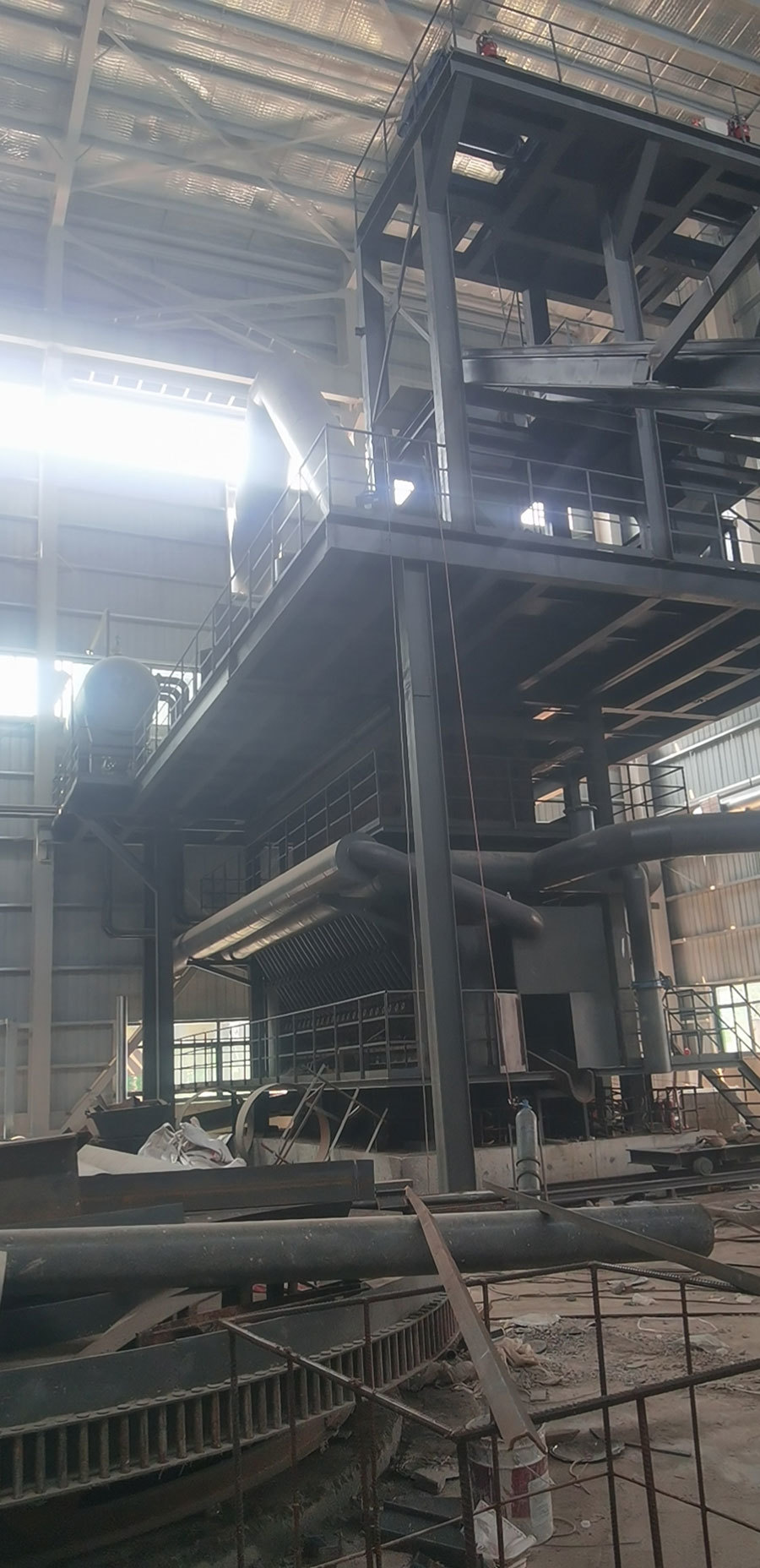
Why Choose Side-Blown Smelting Furnaces for Your Industrial Needs?
Introduction to Side-Blown Smelting Furnaces
In the realm of industrial manufacturing, the choice of smelting furnace significantly impacts efficiency, product quality, and operational costs. **Side-blown smelting furnaces** have gained prominence due to their ability to provide superior temperature control, enhanced efficiency, and improved metal quality. This article delves into the reasons why businesses should consider side-blown smelting furnaces for their industrial operations.
Understanding the Mechanism of Side-Blown Smelting Furnaces
Side-blown smelting furnaces operate on a unique principle that differentiates them from conventional top-blown furnaces. The primary advantage lies in the **side-blown architecture**, which allows air and fuel to be introduced laterally rather than from the top. This design provides several benefits:
Enhanced Temperature Control
With the air injected from the sides, these furnaces achieve a more uniform temperature distribution. This feature is crucial for processes that require specific thermal conditions to ensure optimal results.
Improved Melting Efficiency
The lateral introduction of hot air assists in maintaining a vigorous reaction within the furnace. The **result is an increase in melting efficiency**, significantly lowering energy consumption and operational costs.
Reduced Metal Contamination
By minimizing the introduction of external contaminants during the smelting process, side-blown furnaces help maintain the purity of the metal being produced. This is especially critical in industries where **high-quality metal specifications** are non-negotiable.
Key Advantages of Side-Blown Smelting Furnaces
Businesses often seek ways to optimize their production processes. Side-blown smelting furnaces offer distinct advantages that can elevate operational performance.
Cost-Effectiveness
Investing in side-blown smelting furnaces can lead to significant cost savings. The enhanced efficiency translates to lower energy costs, while reduced contamination results in fewer reprocessing or scrap-related expenses.
Versatility Across Industries
These furnaces are adaptable for various applications, making them suitable for a wide range of industries, including steel production, aluminum smelting, and non-ferrous metal processing. Their versatility allows manufacturers to utilize them for different materials without the need for extensive modifications.
Reduced Environmental Impact
With increasing pressure on industries to minimize their carbon footprint, side-blown smelting furnaces stand out for their efficiency and reduced emissions. By optimizing fuel use and improving overall processes, these furnaces contribute to environmentally sustainable operations.
Applications of Side-Blown Smelting Furnaces
Understanding where side-blown smelting furnaces can be applied can help industries leverage their benefits effectively.
Metallurgical Processes
In metallurgical applications, side-blown furnaces excel in refining metals, producing high-purity alloys, and smelting ores. The ability to control temperature and reduce contamination makes them ideal for producing specialty metals that meet stringent industry standards.
Casting and Molding
In casting processes, side-blown furnaces contribute to producing high-quality castings with minimal defects. The uniform melting and heating ensure that the molten metal flows smoothly into molds, resulting in superior casting quality.
Recycling Operations
For recycling facilities, side-blown smelting furnaces offer an efficient method for processing scrap metals. Their ability to quickly melt and purify metals enhances the overall recycling efficiency, allowing for better recovery rates and reduced waste.
Technical Specifications to Consider
When selecting a side-blown smelting furnace, several technical specifications and features should be considered to ensure optimal performance.
Capacity and Size
The furnace capacity should align with production requirements. It is essential to choose a furnace size that accommodates current and future production demands without compromising efficiency.
Material Composition
The materials used in constructing the furnace itself can impact its longevity and efficiency. High-quality refractory materials should be selected to withstand extreme temperatures and corrosive environments.
Control Systems
Modern side-blown furnaces come equipped with advanced control systems that allow for precise monitoring and adjustment of temperature and air flow. Investing in a furnace with a robust control system will enhance process reliability and product quality.
Maintenance Practices for Side-Blown Smelting Furnaces
To ensure the longevity and efficiency of side-blown smelting furnaces, proper maintenance practices should be implemented.
Regular Inspections
Frequent inspections of furnace components, including burners, refractories, and control systems, can identify potential issues before they escalate into costly repairs.
Routine Cleaning
Maintaining a clean furnace environment is essential. Regular cleaning helps prevent the buildup of contaminants that could affect the quality of the metal being produced and the overall efficiency of the furnace.
Training Personnel
Well-trained personnel are critical for the effective operation and maintenance of side-blown smelting furnaces. Providing regular training ensures that staff are knowledgeable about best practices and safety protocols.
Comparative Analysis: Side-Blown vs. Traditional Smelting Furnaces
It's valuable to compare side-blown smelting furnaces with traditional options to understand the benefits fully.
Efficiency Metrics
While traditional smelting furnaces have their merits, side-blown furnaces typically outperform them in efficiency metrics. The lateral air introduction promotes better mixing and reaction rates, leading to faster melting times and reduced energy consumption.
Quality of Output
Side-blown furnaces also excel in producing higher quality metals with fewer impurities. The uniform heat distribution minimizes defects in the final product, which is a significant advantage for industries demanding precision.
Operational Costs
Overall operational costs tend to be lower for side-blown furnaces due to their energy efficiency, reduced maintenance needs, and lower scrap rates. This financial advantage can significantly impact a company's bottom line.
Future Trends in Smelting Technology
The evolution of smelting technology continues to advance, with several trends emerging.
Automation and Smart Technologies
Automation is becoming increasingly prevalent in smelting operations, including the use of AI and IoT technologies to optimize furnace performance. This shift allows for real-time data analysis, predictive maintenance, and improved operational efficiency.
Sustainable Practices
As industries strive for sustainability, innovations in smelting technology will focus on reducing emissions and energy consumption. Side-blown furnaces, with their inherent efficiencies, are well-positioned to lead the charge in sustainable metal production.
Customization and Flexibility
The future of smelting technology will also see more customization options, allowing manufacturers to tailor furnaces to specific materials and processes. This flexibility will enable industries to adapt quickly to changing market demands and optimize their production strategies.
FAQs About Side-Blown Smelting Furnaces
1. What materials can be processed in a side-blown smelting furnace?
Side-blown smelting furnaces are versatile and can process various materials, including ferrous and non-ferrous metals, alloys, and scrap materials.
2. How does a side-blown furnace improve metal quality?
The lateral air injection provides uniform heating and reduces contamination, resulting in higher purity and quality of the output metal.
3. Are side-blown furnaces more energy-efficient than traditional options?
Yes, side-blown furnaces typically offer better energy efficiency due to enhanced melting rates and reduced operational costs.
4. What kind of maintenance do side-blown furnaces require?
Regular inspections, routine cleaning, and personnel training are essential maintenance practices to ensure optimal performance and longevity.
5. Can side-blown smelting furnaces be automated?
Yes, many modern side-blown furnaces can be equipped with automation and smart technology features for optimal control and efficiency.
Conclusion
Choosing the right smelting furnace is crucial for businesses aiming to enhance their production processes. **Side-blown smelting furnaces** offer remarkable benefits, including improved efficiency, superior metal quality, and lower operational costs. As industries evolve, these furnaces present a sustainable and effective solution for meeting modern manufacturing demands. Investing in side-blown technology can lead to significant advancements in operational performance, ensuring your business remains competitive in a rapidly changing market.
TAG:
Contact Us
Company Email:
962452762@qq.com
Contact Number:
+8615670922562
Company Address:
No. 11 Plant, Tiantan Industrial Park, Huling Industrial Cluster, Jiyuan City

Address: No. 11 Plant, Tiantan Industrial Park, Huling Industrial Cluster, Jiyuan City

Scan with WeChat
Copyright © Xinyu Metallurgical Equipment Co., Ltd.
SAF Coolest v1.3.1.2 设置面板 GAGSE-ZGYF-JXSZE-AED
违禁词: First, best, top-notch, leading, unique, king, leader, leader, ultimate,
无数据提示
Sorry, this column is currently being updated. Please stay tuned!
You can view other columns or returnHomepage