Address: No. 11 Plant, Tiantan Industrial Park, Huling Industrial Cluster, Jiyuan City

Understanding Lead and Copper Refinery Equipment: Key Insights for Industrial Professionals
Nov 08,2025
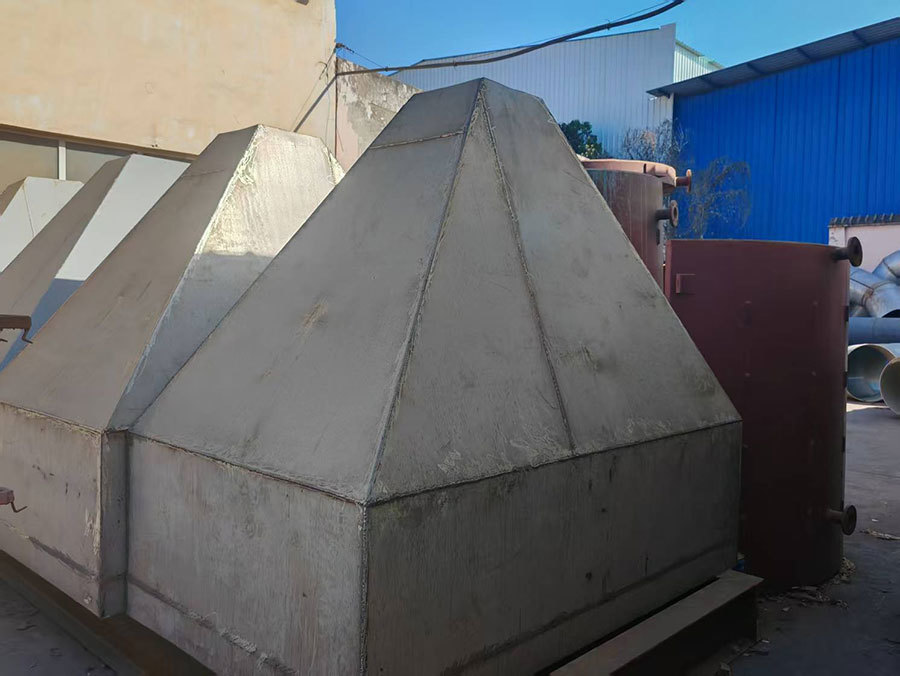
Lead and Copper Refinery Equipment plays a pivotal role in the metal refining process, where the efficient extraction and purification of these metals are vital for various applications. These processes typically involve several stages, including concentration, smelting, and refining, each requiring specialized equipment to ensure optimal performance and safety.
One of the primary functions of Lead and Copper Refinery Equipment is to separate valuable metals from their ores effectively. This is achieved through a combination of physical and chemical processes. For instance, in the smelting phase, furnaces are used to melt the ore, allowing for the separation of lead and copper from impurities. The design and efficiency of these furnaces are crucial as they directly impact energy consumption and overall production costs.
Once the metals have been separated, refining processes take place to enhance purity and quality. This often involves electrolytic processes, where impure metal is transformed into a high-purity form. The equipment used in this stage must meet strict operational standards to prevent contamination and ensure the final product adheres to required specifications.
Moreover, the modern Lead and Copper Refinery Equipment is designed with an emphasis on sustainability and environmental protection. With increasing regulations regarding emissions and waste management, equipment manufacturers are focusing on innovations that minimize environmental impact. Advanced filtration systems, for instance, can significantly reduce the release of harmful substances into the environment, promoting safer operational practices.
In addition to technical performance, maintenance and operational efficiency are paramount considerations when selecting Lead and Copper Refinery Equipment. Regular maintenance schedules, the availability of replacement parts, and the equipment's overall reliability can greatly influence production uptime and profitability. Operators must be well-versed in the specific requirements of their equipment to ensure optimal functioning over the equipment's lifespan.
Furthermore, training personnel to understand the operational nuances of Lead and Copper Refinery Equipment is essential. Knowledgeable operators can identify potential issues early, thereby minimizing downtime and enhancing productivity. Continuous education and training programs can help ensure that staff remain updated on the latest industry practices and technological advancements.
In conclusion, Lead and Copper Refinery Equipment is integral to the successful operation of smelting processes. By understanding the complexities and functionalities of this equipment, industrial professionals can make informed decisions that lead to enhanced efficiency, compliance, and sustainability in their operations. As the industry continues to evolve, staying informed about advancements in refining technology will be crucial for maintaining competitiveness and operational excellence.
One of the primary functions of Lead and Copper Refinery Equipment is to separate valuable metals from their ores effectively. This is achieved through a combination of physical and chemical processes. For instance, in the smelting phase, furnaces are used to melt the ore, allowing for the separation of lead and copper from impurities. The design and efficiency of these furnaces are crucial as they directly impact energy consumption and overall production costs.
Once the metals have been separated, refining processes take place to enhance purity and quality. This often involves electrolytic processes, where impure metal is transformed into a high-purity form. The equipment used in this stage must meet strict operational standards to prevent contamination and ensure the final product adheres to required specifications.
Moreover, the modern Lead and Copper Refinery Equipment is designed with an emphasis on sustainability and environmental protection. With increasing regulations regarding emissions and waste management, equipment manufacturers are focusing on innovations that minimize environmental impact. Advanced filtration systems, for instance, can significantly reduce the release of harmful substances into the environment, promoting safer operational practices.
In addition to technical performance, maintenance and operational efficiency are paramount considerations when selecting Lead and Copper Refinery Equipment. Regular maintenance schedules, the availability of replacement parts, and the equipment's overall reliability can greatly influence production uptime and profitability. Operators must be well-versed in the specific requirements of their equipment to ensure optimal functioning over the equipment's lifespan.
Furthermore, training personnel to understand the operational nuances of Lead and Copper Refinery Equipment is essential. Knowledgeable operators can identify potential issues early, thereby minimizing downtime and enhancing productivity. Continuous education and training programs can help ensure that staff remain updated on the latest industry practices and technological advancements.
In conclusion, Lead and Copper Refinery Equipment is integral to the successful operation of smelting processes. By understanding the complexities and functionalities of this equipment, industrial professionals can make informed decisions that lead to enhanced efficiency, compliance, and sustainability in their operations. As the industry continues to evolve, staying informed about advancements in refining technology will be crucial for maintaining competitiveness and operational excellence.
TAG:
Contact Us
Company Email:
962452762@qq.com
Contact Number:
+8615670922562
Company Address:
No. 11 Plant, Tiantan Industrial Park, Huling Industrial Cluster, Jiyuan City

Address: No. 11 Plant, Tiantan Industrial Park, Huling Industrial Cluster, Jiyuan City

Scan with WeChat
Copyright © Xinyu Metallurgical Equipment Co., Ltd.
SAF Coolest v1.3.1.2 设置面板 GAGSE-ZGYF-JXSZE-AED
违禁词: First, best, top-notch, leading, unique, king, leader, leader, ultimate,
无数据提示
Sorry, this column is currently being updated. Please stay tuned!
You can view other columns or returnHomepage