Address: No. 11 Plant, Tiantan Industrial Park, Huling Industrial Cluster, Jiyuan City

The Essential Guide to Copper Melting Furnaces: Understanding Their Role in Industrial Applications
Jan 16,2026
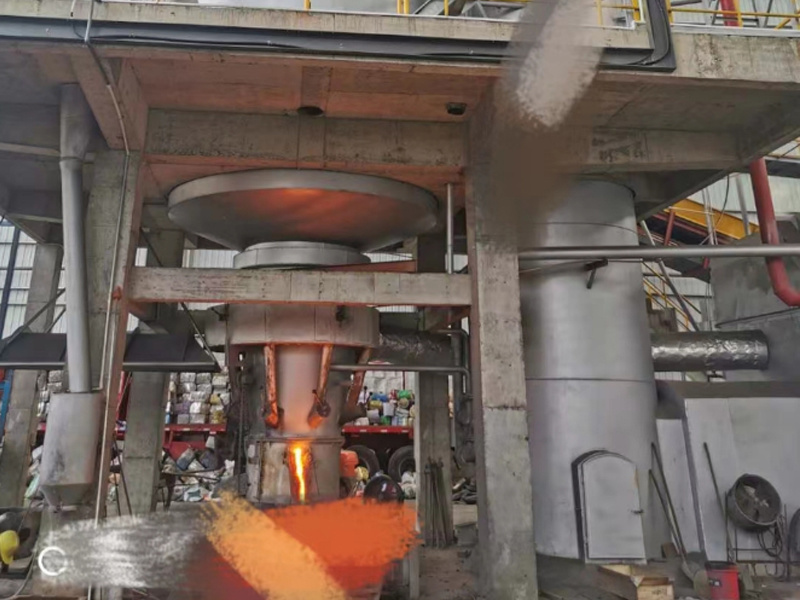
Copper melting furnaces serve a crucial role in the metallurgical industry, particularly in the processing of copper materials. These furnaces are specialized devices designed to melt copper and other non-ferrous metals, ensuring a controlled and efficient melting process. Understanding the mechanics and benefits of copper melting furnaces can provide valuable insights for professionals in the industrial equipment sector.
At their core, copper melting furnaces operate by applying high temperatures to solid copper, causing it to transition into a liquid state. This transformation is vital for numerous applications, including metal fabrication, die-casting, and recycling operations. The temperatures required to melt copper typically range between 1,984°F (1,085°C) and 2,012°F (1,100°C), necessitating robust materials and sophisticated designs to withstand the heat and facilitate safe operation.
One of the key benefits of using a copper melting furnace is the ability to achieve high efficiency in metal processing. Modern furnaces are often equipped with advanced technology that allows for precise temperature control and energy management. This not only enhances the melting process but also reduces energy consumption, contributing to more sustainable practices within the industry. Additionally, the integration of automated systems can streamline operations, minimize the risk of human error, and improve overall productivity.
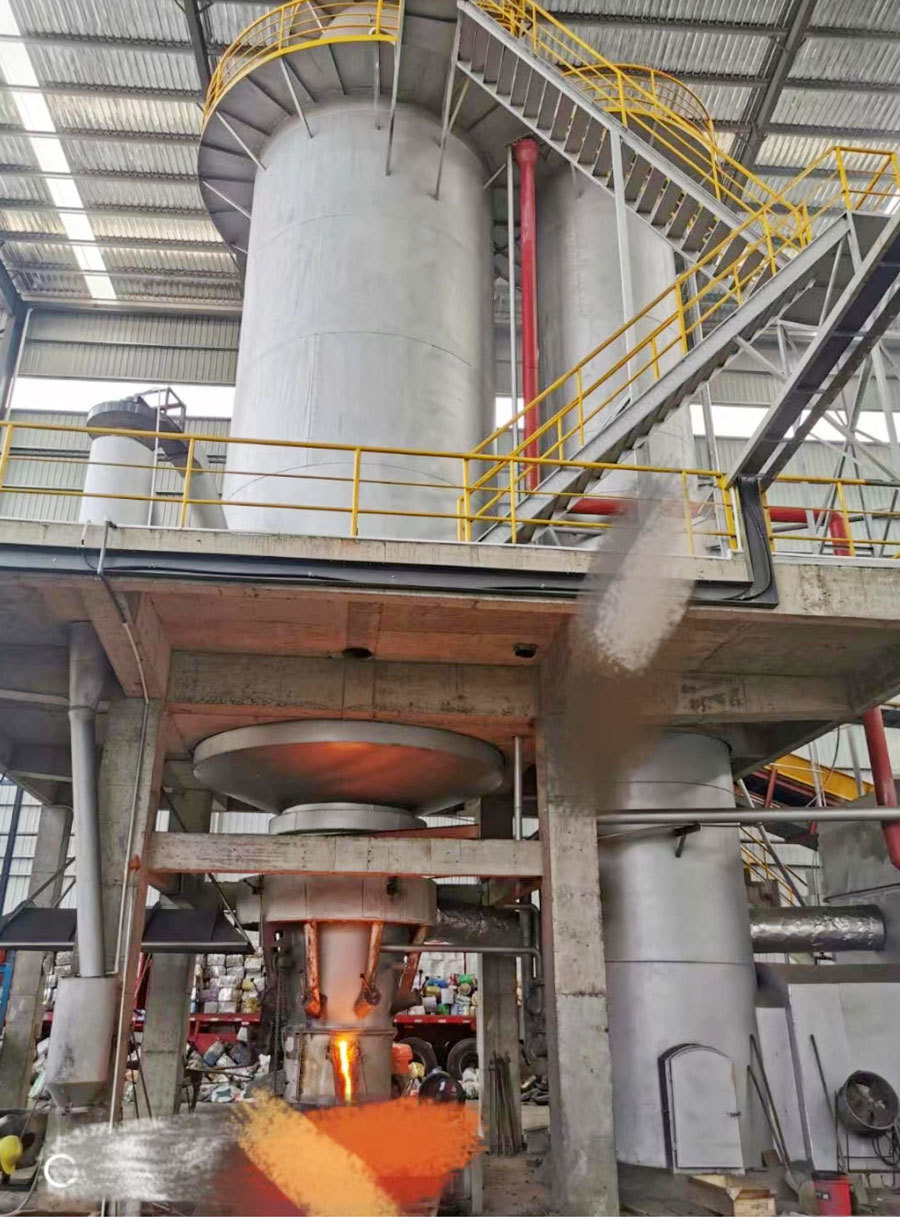
In the context of recycling, copper melting furnaces play a vital role in recovering valuable metals from scrap. The recycling process begins with the collection of copper waste, which is then cleaned and prepared for melting. Once inside the furnace, impurities can be removed, and the molten copper can be poured into molds or cast into desired forms. This method significantly reduces the environmental impact compared to mining new copper, making it an essential aspect of sustainable metal production.
Moreover, selecting the right type of copper melting furnace is essential for meeting specific operational needs. Factors such as furnace capacity, heating method (induction, resistance, or arc), and cooling systems should be considered to ensure optimal performance. Each type of furnace has its unique advantages, and understanding these characteristics can help industry professionals make informed decisions.
In conclusion, copper melting furnaces are indispensable in the metal processing landscape, facilitating efficient melting, recycling, and production of copper materials. Their advanced designs and technologies not only improve operational efficiency but also promote environmentally responsible practices. Investing in the right furnace can yield significant benefits for businesses engaged in metalworking and recycling, ultimately contributing to the industry's growth and sustainability. As the demand for copper continues to rise, the importance of reliable copper melting furnaces will undoubtedly increase within the industrial equipment and components sector.
Contact Us
Company Email:
962452762@qq.com
Contact Number:
+8615670922562
Company Address:
No. 11 Plant, Tiantan Industrial Park, Huling Industrial Cluster, Jiyuan City

Address: No. 11 Plant, Tiantan Industrial Park, Huling Industrial Cluster, Jiyuan City

Scan with WeChat
Copyright © Xinyu Metallurgical Equipment Co., Ltd.
SAF Coolest v1.3.1.2 设置面板 GAGSE-ZGYF-JXSZE-AED
无数据提示
Sorry, this column is currently being updated. Please stay tuned!
You can view other columns or returnHomepage