Address: No. 11 Plant, Tiantan Industrial Park, Huling Industrial Cluster, Jiyuan City

Optimizing Industrial Lead Processing Lines for Enhanced Efficiency
Sep 18,2026
---
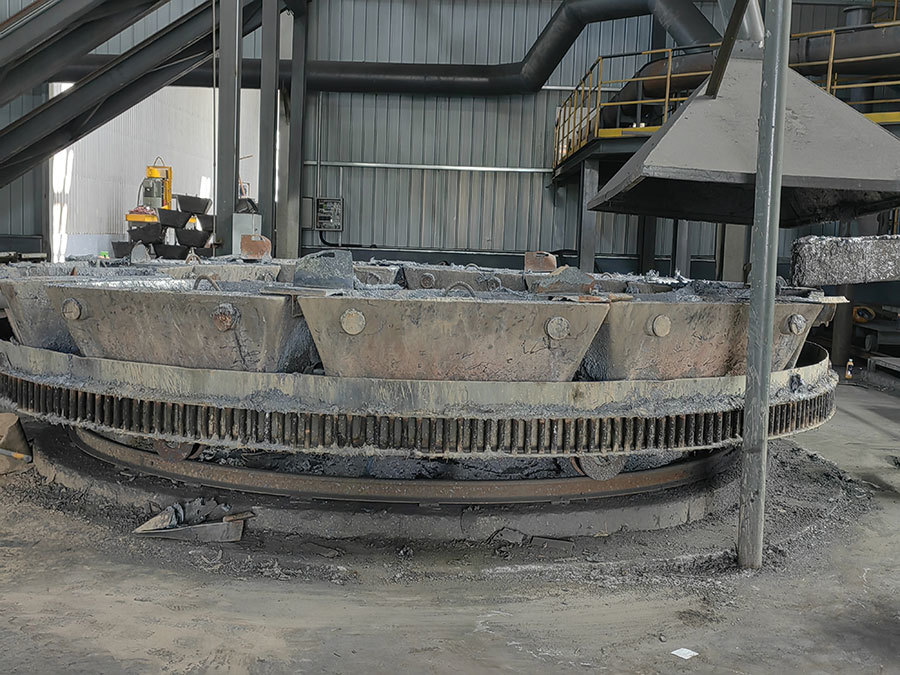
In the realm of industrial manufacturing, particularly within the smelting equipment sector, the efficiency of an Industrial Lead Processing Line is paramount. This system is designed to process lead materials through various stages, from raw input to refined output. Understanding how to optimize these processes can significantly enhance productivity, reduce waste, and ensure quality control.
An Industrial Lead Processing Line typically involves several key components, including crushing, grinding, and refining equipment. Each stage of the process requires specific machinery and techniques tailored to handle lead materials effectively. It is essential to select equipment that not only meets the operational needs but also adheres to safety and environmental regulations. For example, employing closed-loop systems can minimize environmental impact by reducing emissions and waste.
Automation is another critical aspect of optimizing Industrial Lead Processing Lines. Implementing automated controls and monitoring systems can streamline operations, enhance precision, and provide real-time data on performance metrics. This allows operators to make informed decisions promptly, reducing downtime and increasing throughput. Moreover, integrating advanced technologies such as artificial intelligence and machine learning can help predict maintenance needs, thus preventing unexpected breakdowns.
Material handling is also pivotal in ensuring the efficiency of an Industrial Lead Processing Line. Proper logistics and material flow management can reduce bottlenecks and ensure a smooth transition between different processing stages. Utilizing conveyor systems designed specifically for lead materials can improve handling efficiency, while also ensuring worker safety.
Quality control measures are integral throughout the processing line. Regular testing and monitoring of lead materials at various stages can help identify any deviations from quality standards early in the process. This not only helps in maintaining the integrity of the final product but also reduces the risk of rework and waste, leading to cost savings.
Finally, training and workforce development play a crucial role in optimizing Industrial Lead Processing Lines. Ensuring that personnel are well-trained in operating equipment, understanding safety protocols, and adhering to best practices is essential for maintaining operational efficiency. Continuous training programs can keep staff updated on the latest technologies and techniques, fostering a culture of innovation.
In conclusion, optimizing an Industrial Lead Processing Line involves a comprehensive approach that includes equipment selection, automation, efficient material handling, stringent quality control, and workforce training. By focusing on these areas, professionals in the smelting equipment sector can achieve enhanced efficiency, leading to improved productivity and sustainability in their operations.
In the realm of industrial manufacturing, particularly within the smelting equipment sector, the efficiency of an Industrial Lead Processing Line is paramount. This system is designed to process lead materials through various stages, from raw input to refined output. Understanding how to optimize these processes can significantly enhance productivity, reduce waste, and ensure quality control.
An Industrial Lead Processing Line typically involves several key components, including crushing, grinding, and refining equipment. Each stage of the process requires specific machinery and techniques tailored to handle lead materials effectively. It is essential to select equipment that not only meets the operational needs but also adheres to safety and environmental regulations. For example, employing closed-loop systems can minimize environmental impact by reducing emissions and waste.
Automation is another critical aspect of optimizing Industrial Lead Processing Lines. Implementing automated controls and monitoring systems can streamline operations, enhance precision, and provide real-time data on performance metrics. This allows operators to make informed decisions promptly, reducing downtime and increasing throughput. Moreover, integrating advanced technologies such as artificial intelligence and machine learning can help predict maintenance needs, thus preventing unexpected breakdowns.
Material handling is also pivotal in ensuring the efficiency of an Industrial Lead Processing Line. Proper logistics and material flow management can reduce bottlenecks and ensure a smooth transition between different processing stages. Utilizing conveyor systems designed specifically for lead materials can improve handling efficiency, while also ensuring worker safety.
Quality control measures are integral throughout the processing line. Regular testing and monitoring of lead materials at various stages can help identify any deviations from quality standards early in the process. This not only helps in maintaining the integrity of the final product but also reduces the risk of rework and waste, leading to cost savings.
Finally, training and workforce development play a crucial role in optimizing Industrial Lead Processing Lines. Ensuring that personnel are well-trained in operating equipment, understanding safety protocols, and adhering to best practices is essential for maintaining operational efficiency. Continuous training programs can keep staff updated on the latest technologies and techniques, fostering a culture of innovation.
In conclusion, optimizing an Industrial Lead Processing Line involves a comprehensive approach that includes equipment selection, automation, efficient material handling, stringent quality control, and workforce training. By focusing on these areas, professionals in the smelting equipment sector can achieve enhanced efficiency, leading to improved productivity and sustainability in their operations.
TAG:
Previous:
Contact Us
Company Email:
962452762@qq.com
Contact Number:
+8615670922562
Company Address:
No. 11 Plant, Tiantan Industrial Park, Huling Industrial Cluster, Jiyuan City

Address: No. 11 Plant, Tiantan Industrial Park, Huling Industrial Cluster, Jiyuan City

Scan with WeChat
Copyright © Xinyu Metallurgical Equipment Co., Ltd.
SAF Coolest v1.3.1.2 设置面板 GAGSE-ZGYF-JXSZE-AED
违禁词: First, best, top-notch, leading, unique, king, leader, leader, ultimate,
无数据提示
Sorry, this column is currently being updated. Please stay tuned!
You can view other columns or returnHomepage