Address: No. 11 Plant, Tiantan Industrial Park, Huling Industrial Cluster, Jiyuan City

Complete Lead Smelting Lines vs. Traditional Methods: A Comprehensive Comparison
Sep 09,2026
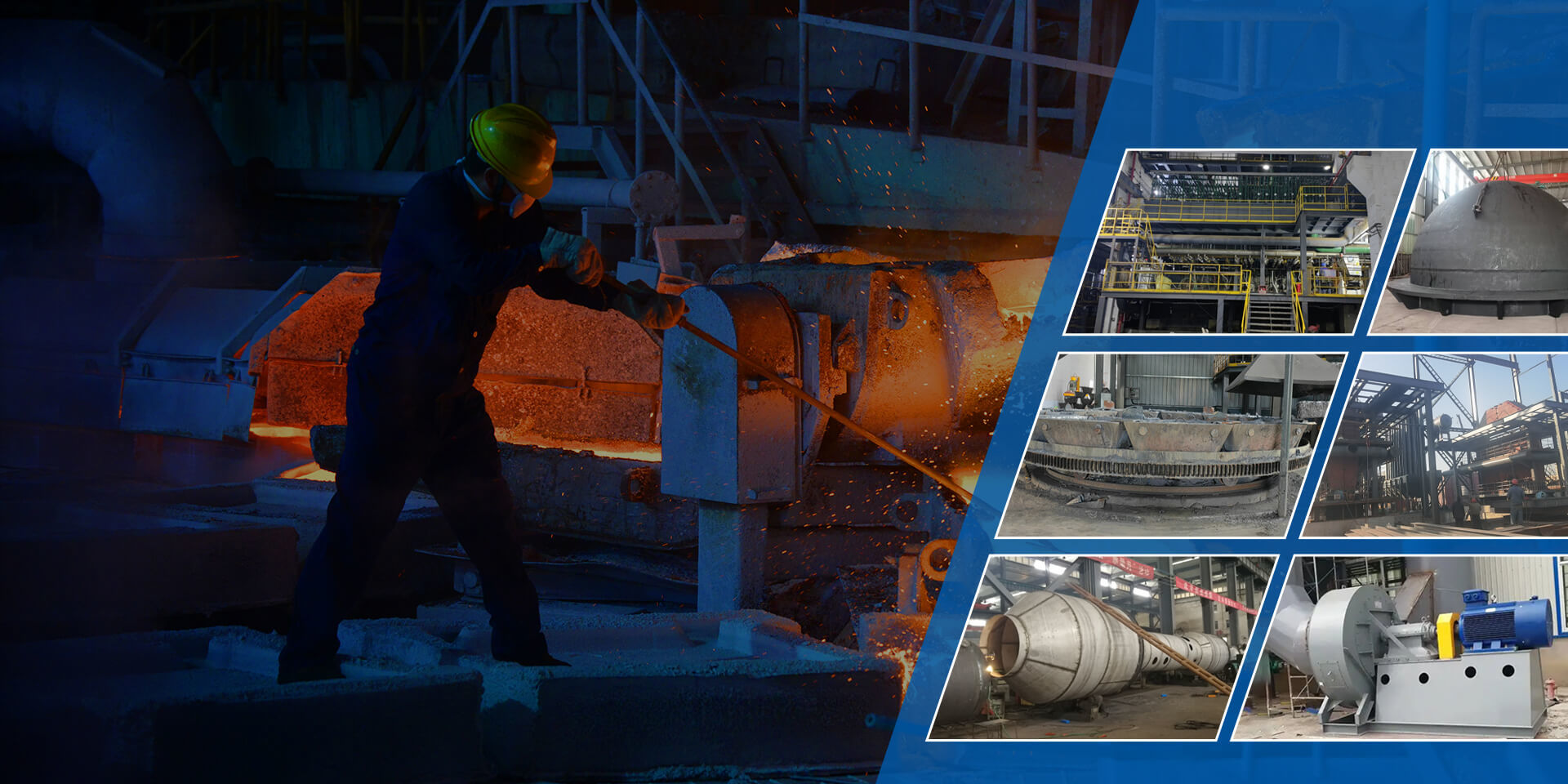
Complete Lead Smelting Lines vs. Traditional Methods: A Comprehensive Comparison
In the ever-evolving landscape of the lead smelting industry, the choice between **complete lead smelting lines** and **traditional methods** is a critical one. As industries strive for greater efficiency, sustainability, and cost-effectiveness, understanding the nuances of these two approaches becomes imperative. In this article, we delve into a detailed comparison of complete lead smelting lines and traditional methods, examining their features, advantages, and challenges.
Table of Contents
1. Introduction to Lead Smelting
2. Overview of Traditional Lead Smelting Methods
2.1 Historical Context of Traditional Methods
2.2 Key Processes in Traditional Smelting
3. Understanding Complete Lead Smelting Lines
3.1 Components of Complete Smelting Lines
3.2 Automation and Technology in Modern Smelting
4. Efficiency Comparison: Traditional vs. Complete Lines
4.1 Energy Consumption Analysis
4.2 Production Timelines and Throughput
5. Environmental Considerations
5.1 Emissions and Waste Management
5.2 Regulatory Compliance
6. Cost Implications of Each Method
6.1 Initial Investment vs. Long-term Savings
6.2 Operational Costs and Maintenance
7. Future Trends in Lead Smelting Technology
8. FAQs About Lead Smelting Methods
9. Conclusion
1. Introduction to Lead Smelting
Lead smelting is a critical process in the extraction and refinement of lead from its ores. The methods employed in this industry significantly impact the efficiency, environmental sustainability, and economic viability of lead production. As global demands for lead rise, particularly in batteries and various industrial applications, industries must weigh the pros and cons of **complete lead smelting lines** against **traditional methods**. This article provides a detailed examination of both approaches to assist industries in making informed decisions.
2. Overview of Traditional Lead Smelting Methods
2.1 Historical Context of Traditional Methods
Traditional lead smelting methods have been utilized for centuries, evolving through various techniques such as the **cupellation** and **blast furnace processes**. Historically, these methods were labor-intensive and relied heavily on manual labor and rudimentary technology, often leading to inefficiencies and higher emissions.
2.2 Key Processes in Traditional Smelting
Conventional smelting processes typically involve several stages, including **roasting**, **smelting**, and **refining**. Roasting involves heating lead ore to remove sulfur and other impurities, whereas smelting uses high temperatures to extract lead metal. Finally, refining further purifies the lead to meet industry standards. Each step in these traditional methods is characterized by significant energy consumption and emissions, which have raised environmental concerns.
3. Understanding Complete Lead Smelting Lines
3.1 Components of Complete Smelting Lines
Complete lead smelting lines represent modern advancements in the smelting industry. These systems integrate various components, including **pre-treatment units, smelting furnaces, and refining apparatus**. Each component is designed to function seamlessly, optimizing the overall smelting process.
3.2 Automation and Technology in Modern Smelting
The incorporation of automation and advanced technology is a hallmark of complete lead smelting lines. Automated systems enable real-time monitoring and control, enhancing safety and efficiency. Technologies such as **induction heating** and **pyrometallurgical techniques** allow for more precise temperature control, ultimately resulting in higher-quality lead production with reduced energy consumption.
4. Efficiency Comparison: Traditional vs. Complete Lines
4.1 Energy Consumption Analysis
Energy efficiency is a crucial consideration in lead smelting. Traditional methods often consume significantly more energy due to their reliance on outdated equipment and processes. In contrast, complete lead smelting lines leverage modern technologies that minimize energy usage, leading to lower operational costs and reduced carbon footprints.
4.2 Production Timelines and Throughput
Production timelines are another critical aspect where complete smelting lines shine. The automation and integration of processes in these systems facilitate faster production cycles compared to traditional methods. Enhanced throughput allows for larger volumes of lead to be processed in shorter timeframes, meeting growing market demands effectively.
5. Environmental Considerations
5.1 Emissions and Waste Management
Environmental impact is a significant concern in the lead smelting industry. Traditional methods are notorious for releasing a high volume of pollutants, including sulfur dioxide and heavy metals, into the environment. Complete lead smelting lines, on the other hand, are designed with advanced emissions control systems that significantly reduce harmful outputs, aligning with global environmental regulations.
5.2 Regulatory Compliance
With increasing regulatory scrutiny in many countries, adhering to environmental standards is paramount. Traditional methods often struggle to meet these requirements due to their outdated practices. Conversely, complete lead smelting lines are built with compliance in mind, ensuring that operations not only meet but often exceed regulatory standards.
6. Cost Implications of Each Method
6.1 Initial Investment vs. Long-term Savings
While the initial investment for complete lead smelting lines can be substantial, the long-term savings they offer often outweigh these costs. The efficiencies gained in energy consumption, labor, and production timelines contribute to a more favorable return on investment, making them a wise choice for forward-thinking companies.
6.2 Operational Costs and Maintenance
Operational costs are another area where complete lines outperform traditional methods. The advanced technologies used in modern smelting lines generally require less maintenance and have lower operational costs due to their efficiency. Traditional methods, with their aging infrastructure, often incur higher maintenance costs, affecting overall profitability.
7. Future Trends in Lead Smelting Technology
The future of lead smelting is poised for significant advancements as industries increasingly adopt innovative technologies. Trends such as **digitalization**, **sustainability**, and **circular economy principles** are shaping the landscape. Companies are exploring new materials, processes, and recycling methods to enhance efficiency and reduce environmental impact. The integration of artificial intelligence and machine learning into smelting operations promises to further optimize processes and reduce costs.
8. FAQs About Lead Smelting Methods
What are the main differences between traditional and complete lead smelting lines?
The primary differences lie in automation, efficiency, environmental impact, and production capacity. Complete lines are generally more efficient and environmentally friendly compared to traditional methods.
Are complete lead smelting lines more expensive to implement?
While the initial investment for complete smelting lines can be higher, they often result in lower operational costs and greater long-term savings due to improved efficiency.
How do environmental impacts compare between the two methods?
Traditional methods typically have a higher environmental impact due to increased emissions and waste. Complete smelting lines are designed to minimize these impacts through advanced technology and emissions control.
What role does automation play in lead smelting?
Automation enhances efficiency, safety, and precision in lead smelting operations. It allows continuous monitoring and control of processes, leading to higher-quality output.
What trends are shaping the future of lead smelting?
Future trends include digitalization, sustainability efforts, circular economy practices, and innovations in recycling and technology integration, which will drive efficiency and reduce environmental footprints.
9. Conclusion
The comparison between complete lead smelting lines and traditional methods highlights the significant advancements in the lead smelting industry. As industries navigate the complexities of energy consumption, environmental compliance, and cost-efficiency, the choice of smelting method becomes increasingly critical. Embracing complete lead smelting lines offers a pathway toward a more sustainable and efficient future in lead production, positioning companies to meet the demands of an evolving market while adhering to regulatory standards. Understanding these differences is essential for making informed decisions that will impact the operational success and environmental stewardship of lead smelting operations.
Previous:
Contact Us
Company Email:
962452762@qq.com
Contact Number:
+8615670922562
Company Address:
No. 11 Plant, Tiantan Industrial Park, Huling Industrial Cluster, Jiyuan City

Address: No. 11 Plant, Tiantan Industrial Park, Huling Industrial Cluster, Jiyuan City

Scan with WeChat
Copyright © Xinyu Metallurgical Equipment Co., Ltd.
SAF Coolest v1.3.1.2 设置面板 GAGSE-ZGYF-JXSZE-AED
无数据提示
Sorry, this column is currently being updated. Please stay tuned!
You can view other columns or returnHomepage