Address: No. 11 Plant, Tiantan Industrial Park, Huling Industrial Cluster, Jiyuan City

Innovative E-Waste Solutions: A Deep Dive into Copper Recovery Furnaces
Aug 28,2026
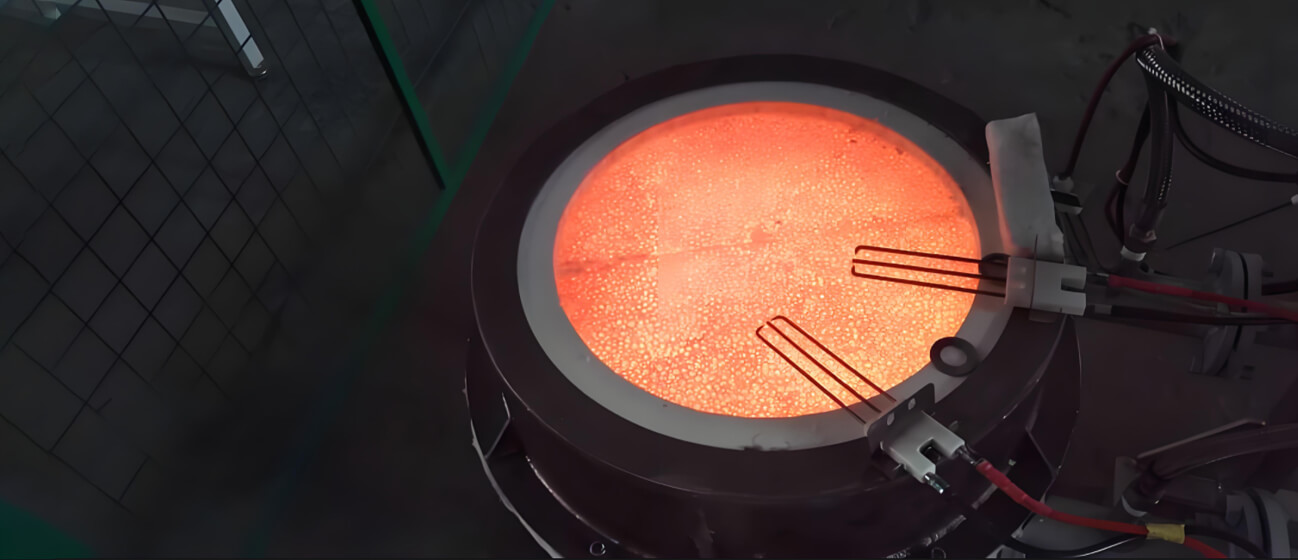
Innovative E-Waste Solutions: A Deep Dive into Copper Recovery Furnaces
Table of Contents
- 1. Introduction to E-Waste and Copper Recovery
- 2. Understanding the Significance of Copper in E-Waste
- 3. What are Copper Recovery Furnaces?
- 4. The Technology Behind Copper Recovery Furnaces
- 5. Benefits of Copper Recovery Furnaces
- 6. Environmental Impact of Copper Recovery
- 7. Future Trends in Copper Recovery Technology
- 8. Frequently Asked Questions
- 9. Conclusion
1. Introduction to E-Waste and Copper Recovery
E-waste, or electronic waste, represents a rapidly growing environmental challenge that encompasses discarded electronic equipment such as computers, smartphones, and various household devices. The improper disposal of these items can lead to significant environmental hazards due to the presence of toxic substances. However, within this waste lies a wealth of valuable materials, notably copper, which is essential for various industries. **Copper recovery furnaces** play a pivotal role in reclaiming this crucial metal from e-waste, presenting an innovative solution to both environmental and economic concerns.
2. Understanding the Significance of Copper in E-Waste
Copper is highly sought after for its excellent conductivity and versatility. It is used extensively in electrical wiring, circuit boards, and other electronic components. As technology advances and the demand for electronic devices increases, so does the generation of e-waste. The significance of copper in this context cannot be overstated.
**Statistics reveal** that approximately 60% of the weight of discarded electronics consists of metals, with copper being one of the most abundant. Efficient recovery of copper not only reduces the need for mining new resources but also mitigates the environmental impact associated with extraction processes.
3. What are Copper Recovery Furnaces?
Copper recovery furnaces are specialized industrial systems designed to extract copper from e-waste through thermal processes. These furnaces operate at high temperatures, allowing for the efficient separation of copper and other metals from non-metallic components.
There are various types of copper recovery furnaces, including:
- **Induction furnaces**: Utilize electromagnetic induction to heat and melt the metal.
- **Rotary furnaces**: Employ a rotating drum to facilitate mixing and enhance recovery efficiency.
- **Blast furnaces**: Use high-temperature air blasts to promote combustion and metal extraction.
Each type offers unique advantages, making them suitable for different scales of operation and types of e-waste.
4. The Technology Behind Copper Recovery Furnaces
The technology implemented in copper recovery furnaces continues to evolve, driven by the need for improved efficiency and sustainability. Key components of these systems include:
- **Advanced control systems**: Allow for precise monitoring and adjustment of temperature and other operational parameters, ensuring optimal performance.
- **Flue gas treatment systems**: Capture and neutralize harmful emissions, reducing the environmental footprint of the recovery process.
- **Automation**: Minimizes human intervention, enhancing safety and operational efficiency.
The integration of these technologies not only boosts recovery rates but also aligns with global sustainability goals.
5. Benefits of Copper Recovery Furnaces
Investing in copper recovery furnaces offers numerous **benefits**:
- **Resource efficiency**: Maximizes the recovery of valuable materials, reducing dependence on virgin resources.
- **Cost savings**: By recycling copper, companies can lower production costs and improve profit margins.
- **Environmental protection**: Proper recovery processes minimize landfill waste and reduce pollution associated with mining and smelting operations.
- **Regulatory compliance**: Utilizing state-of-the-art recovery technologies helps businesses adhere to environmental regulations, avoiding potential fines.
These advantages position copper recovery furnaces as a cornerstone of sustainable industrial practices.
6. Environmental Impact of Copper Recovery
The environmental impact of copper recovery extends beyond mere metal extraction. Efficient recovery reduces the carbon footprint associated with mining and processing new copper. Furthermore, modern recovery techniques minimize harmful byproducts, ensuring that the process aligns with ecological standards.
**Studies indicate** that recycling copper can save up to 85% of the energy required compared to primary production, significantly lowering greenhouse gas emissions. This not only benefits the environment but also contributes to global efforts in combating climate change.
7. Future Trends in Copper Recovery Technology
As the demand for sustainable practices grows, the future of copper recovery technology appears promising. Emerging trends include:
- **Circular economy models**: Emphasizing the reuse and recycling of materials, reducing overall waste generation.
- **Smart technologies**: The application of IoT and AI to optimize recovery processes and predict maintenance needs.
- **Innovative materials processing**: Research into new methods for extracting metals that may prove even more efficient and less environmentally damaging.
These advancements reflect a commitment to not only improving recovery rates but also ensuring that the processes remain environmentally sustainable and economically viable.
8. Frequently Asked Questions
What types of e-waste can be processed in copper recovery furnaces?
Copper recovery furnaces can process a wide variety of e-waste, including old computers, televisions, circuit boards, and cables.
How efficient are copper recovery furnaces in reclaiming metal?
Efficiency rates can vary depending on the technology used, but modern copper recovery furnaces can achieve recovery rates of **up to 98%**.
Are there any harmful emissions from copper recovery furnaces?
While some emissions can occur, advanced flue gas treatment systems significantly reduce harmful pollutants, ensuring compliance with environmental regulations.
What is the lifespan of a copper recovery furnace?
With proper maintenance, a copper recovery furnace can operate effectively for **15 to 20 years**.
How do copper recovery furnaces contribute to sustainability?
By reclaiming valuable metals from e-waste, these furnaces help reduce landfill waste, lower energy consumption, and decrease the carbon footprint associated with traditional copper mining.
9. Conclusion
In conclusion, copper recovery furnaces represent an innovative solution to the pressing challenges posed by e-waste. By efficiently reclaiming valuable materials, these systems contribute to a more sustainable future while addressing environmental concerns associated with traditional metal extraction. As technology advances, the potential for improved efficiency and reduced environmental impact will only grow, enhancing the role of copper recovery in global sustainability efforts. Investing in these solutions not only makes economic sense but is also a responsible choice for our planet's future.
TAG:
Contact Us
Company Email:
962452762@qq.com
Contact Number:
+8615670922562
Company Address:
No. 11 Plant, Tiantan Industrial Park, Huling Industrial Cluster, Jiyuan City

Address: No. 11 Plant, Tiantan Industrial Park, Huling Industrial Cluster, Jiyuan City

Scan with WeChat
Copyright © Xinyu Metallurgical Equipment Co., Ltd.
SAF Coolest v1.3.1.2 设置面板 GAGSE-ZGYF-JXSZE-AED
违禁词: First, best, top-notch, leading, unique, king, leader, leader, ultimate,
无数据提示
Sorry, this column is currently being updated. Please stay tuned!
You can view other columns or returnHomepage