Address: No. 11 Plant, Tiantan Industrial Park, Huling Industrial Cluster, Jiyuan City

Understanding Non-Ferrous Smelting Equipment: Key Insights for Industrial Applications
Aug 13,2026
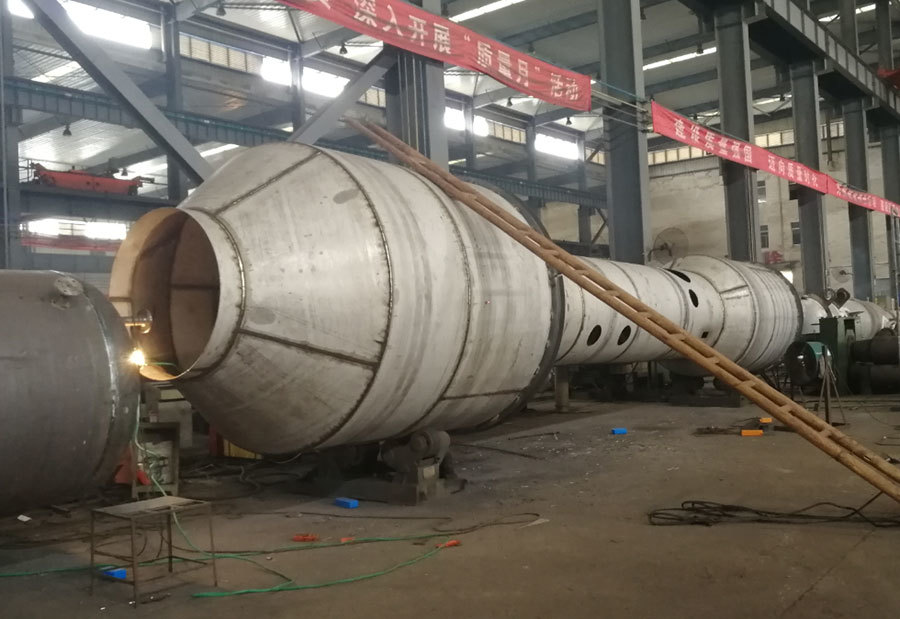
Non-ferrous smelting equipment plays a crucial role in the extraction and refining of non-ferrous metals, which include aluminum, copper, lead, nickel, and zinc. Unlike ferrous metals that contain iron, non-ferrous metals are prized for their resistance to corrosion, lightweight properties, and excellent conductivity. As industries increasingly rely on these materials, understanding the components and operation of non-ferrous smelting equipment becomes vital for enhancing production efficiency and ensuring safety.
At the core of non-ferrous smelting is the furnace, which is specifically designed to handle the unique properties of non-ferrous materials. There are various types of furnaces used in this process, including electric arc furnaces, induction furnaces, and reverberatory furnaces. Electric arc furnaces utilize high-voltage electricity to melt scrap metal, making them highly efficient for recycling operations. Induction furnaces, on the other hand, employ electromagnetic induction to heat and melt metals, offering precise temperature control and reduced energy consumption. Reverberatory furnaces are ideal for batch processing and provide a stable melting environment, crucial for certain non-ferrous metals.
In addition to the furnace, other essential components of non-ferrous smelting equipment include ladles for transporting molten metal, casting machines for shaping the final product, and various auxiliary systems for handling emissions and byproducts. Effective fume extraction systems are particularly important in non-ferrous smelting to ensure compliance with environmental regulations and to protect the health of workers.
One of the significant challenges in non-ferrous smelting is managing the variations in raw material quality. The presence of impurities can affect the melting process and the quality of the final product. Therefore, advanced techniques such as refining and alloying may be necessary. Equipment designed for these processes, including refining furnaces and alloying systems, must be integrated seamlessly into the overall production line.
Moreover, automation and monitoring systems are increasingly becoming indispensable in non-ferrous smelting. These technologies enable real-time tracking of temperatures, chemical compositions, and energy usage, allowing operators to make informed adjustments and improve overall efficiency. By leveraging data analytics, plants can anticipate maintenance needs, minimize downtime, and enhance the lifespan of their smelting equipment.
In summary, non-ferrous smelting equipment is integral to the metal production industry, offering various options tailored to different materials and processes. A deep understanding of the equipment, its components, and the challenges faced can significantly contribute to optimizing production while ensuring safety and compliance. As industries continue to evolve, staying abreast of technological advancements in non-ferrous smelting will be essential for maintaining competitiveness and operational excellence.
At the core of non-ferrous smelting is the furnace, which is specifically designed to handle the unique properties of non-ferrous materials. There are various types of furnaces used in this process, including electric arc furnaces, induction furnaces, and reverberatory furnaces. Electric arc furnaces utilize high-voltage electricity to melt scrap metal, making them highly efficient for recycling operations. Induction furnaces, on the other hand, employ electromagnetic induction to heat and melt metals, offering precise temperature control and reduced energy consumption. Reverberatory furnaces are ideal for batch processing and provide a stable melting environment, crucial for certain non-ferrous metals.
In addition to the furnace, other essential components of non-ferrous smelting equipment include ladles for transporting molten metal, casting machines for shaping the final product, and various auxiliary systems for handling emissions and byproducts. Effective fume extraction systems are particularly important in non-ferrous smelting to ensure compliance with environmental regulations and to protect the health of workers.
One of the significant challenges in non-ferrous smelting is managing the variations in raw material quality. The presence of impurities can affect the melting process and the quality of the final product. Therefore, advanced techniques such as refining and alloying may be necessary. Equipment designed for these processes, including refining furnaces and alloying systems, must be integrated seamlessly into the overall production line.
Moreover, automation and monitoring systems are increasingly becoming indispensable in non-ferrous smelting. These technologies enable real-time tracking of temperatures, chemical compositions, and energy usage, allowing operators to make informed adjustments and improve overall efficiency. By leveraging data analytics, plants can anticipate maintenance needs, minimize downtime, and enhance the lifespan of their smelting equipment.
In summary, non-ferrous smelting equipment is integral to the metal production industry, offering various options tailored to different materials and processes. A deep understanding of the equipment, its components, and the challenges faced can significantly contribute to optimizing production while ensuring safety and compliance. As industries continue to evolve, staying abreast of technological advancements in non-ferrous smelting will be essential for maintaining competitiveness and operational excellence.
TAG:
Contact Us
Company Email:
962452762@qq.com
Contact Number:
+8615670922562
Company Address:
No. 11 Plant, Tiantan Industrial Park, Huling Industrial Cluster, Jiyuan City

Address: No. 11 Plant, Tiantan Industrial Park, Huling Industrial Cluster, Jiyuan City

Scan with WeChat
Copyright © Xinyu Metallurgical Equipment Co., Ltd.
SAF Coolest v1.3.1.2 设置面板 GAGSE-ZGYF-JXSZE-AED
违禁词: First, best, top-notch, leading, unique, king, leader, leader, ultimate,
无数据提示
Sorry, this column is currently being updated. Please stay tuned!
You can view other columns or returnHomepage