Address: No. 11 Plant, Tiantan Industrial Park, Huling Industrial Cluster, Jiyuan City

Understanding Metallurgical Equipment: Key Components and Their Functions
Jul 20,2026
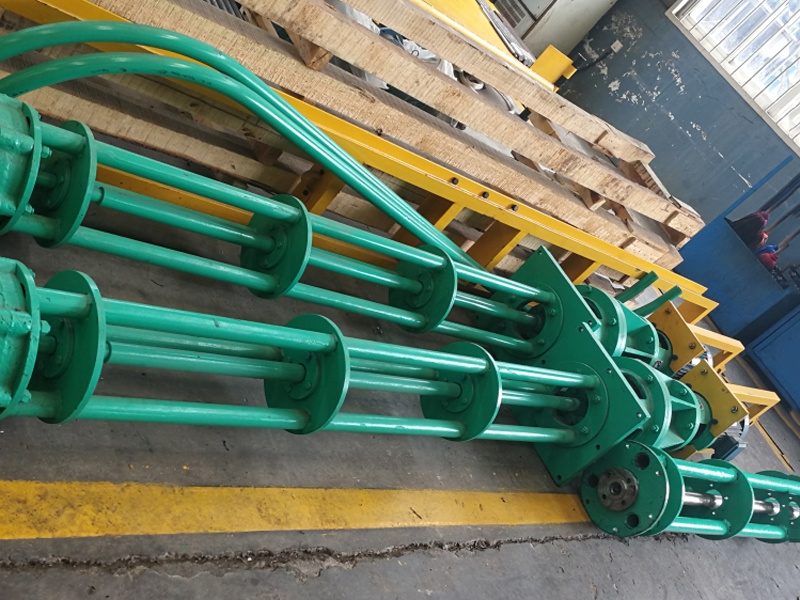
Metallurgical equipment plays a pivotal role in the industrial sector, particularly in the smelting of various metals. This equipment is specifically designed to process raw materials, transform them into usable forms, and ensure the quality of the final products. Understanding the various types of metallurgical equipment and their functions can provide valuable insights into optimizing production processes and improving operational efficiency.
One of the primary components of metallurgical equipment is the furnace. Furnaces are integral to the smelting process, where they provide the necessary heat for melting metals. There are different types of furnaces, including electric arc furnaces, induction furnaces, and blast furnaces, each suited for specific materials and production scales. The choice of furnace can significantly impact energy efficiency, emissions, and overall production costs.
In addition to furnaces, other key metallurgical equipment includes converters and ladles. Converters are used to remove impurities from molten metal, ensuring that the final product meets required specifications. Ladles, on the other hand, are essential for transporting molten metal from the furnace to the casting area. The design and materials used in ladles must withstand high temperatures and corrosive environments, making them crucial for maintaining safety and efficiency in the smelting process.
Another important aspect of metallurgical equipment is the cooling systems. Proper cooling is vital to ensure the quality of the final metal product and to prevent defects during the solidification process. Various cooling methods, such as water cooling and air cooling, are employed depending on the specific requirements of the smelting operation.
Automation also plays a significant role in modern metallurgical equipment. Integration of advanced technology, such as sensors and control systems, enhances precision in the smelting process, reduces manual intervention, and improves safety. Automated systems can monitor key parameters such as temperature, pressure, and chemical composition in real-time, enabling operators to make informed decisions and optimize production.
Moreover, maintenance of metallurgical equipment is crucial for ensuring longevity and consistent performance. Regular inspections, wear monitoring, and timely replacements of components can prevent unexpected breakdowns and downtime. Implementing a proactive maintenance strategy can save costs in the long run and enhance productivity.
In conclusion, metallurgical equipment encompasses a wide range of machinery and tools critical for the smelting industry. Understanding the various components, their functions, and the importance of maintenance can lead to improved operational efficiency and product quality. By staying informed about advancements in metallurgical technology, companies can remain competitive and responsive to market demands.
One of the primary components of metallurgical equipment is the furnace. Furnaces are integral to the smelting process, where they provide the necessary heat for melting metals. There are different types of furnaces, including electric arc furnaces, induction furnaces, and blast furnaces, each suited for specific materials and production scales. The choice of furnace can significantly impact energy efficiency, emissions, and overall production costs.
In addition to furnaces, other key metallurgical equipment includes converters and ladles. Converters are used to remove impurities from molten metal, ensuring that the final product meets required specifications. Ladles, on the other hand, are essential for transporting molten metal from the furnace to the casting area. The design and materials used in ladles must withstand high temperatures and corrosive environments, making them crucial for maintaining safety and efficiency in the smelting process.
Another important aspect of metallurgical equipment is the cooling systems. Proper cooling is vital to ensure the quality of the final metal product and to prevent defects during the solidification process. Various cooling methods, such as water cooling and air cooling, are employed depending on the specific requirements of the smelting operation.
Automation also plays a significant role in modern metallurgical equipment. Integration of advanced technology, such as sensors and control systems, enhances precision in the smelting process, reduces manual intervention, and improves safety. Automated systems can monitor key parameters such as temperature, pressure, and chemical composition in real-time, enabling operators to make informed decisions and optimize production.
Moreover, maintenance of metallurgical equipment is crucial for ensuring longevity and consistent performance. Regular inspections, wear monitoring, and timely replacements of components can prevent unexpected breakdowns and downtime. Implementing a proactive maintenance strategy can save costs in the long run and enhance productivity.
In conclusion, metallurgical equipment encompasses a wide range of machinery and tools critical for the smelting industry. Understanding the various components, their functions, and the importance of maintenance can lead to improved operational efficiency and product quality. By staying informed about advancements in metallurgical technology, companies can remain competitive and responsive to market demands.
TAG:
Contact Us
Company Email:
962452762@qq.com
Contact Number:
+8615670922562
Company Address:
No. 11 Plant, Tiantan Industrial Park, Huling Industrial Cluster, Jiyuan City

Address: No. 11 Plant, Tiantan Industrial Park, Huling Industrial Cluster, Jiyuan City

Scan with WeChat
Copyright © Xinyu Metallurgical Equipment Co., Ltd.
SAF Coolest v1.3.1.2 设置面板 GAGSE-ZGYF-JXSZE-AED
违禁词: First, best, top-notch, leading, unique, king, leader, leader, ultimate,
无数据提示
Sorry, this column is currently being updated. Please stay tuned!
You can view other columns or returnHomepage