Address: No. 11 Plant, Tiantan Industrial Park, Huling Industrial Cluster, Jiyuan City

Why Smelting Equipment Solutions Are Essential for Modern Industries
Jul 11,2026
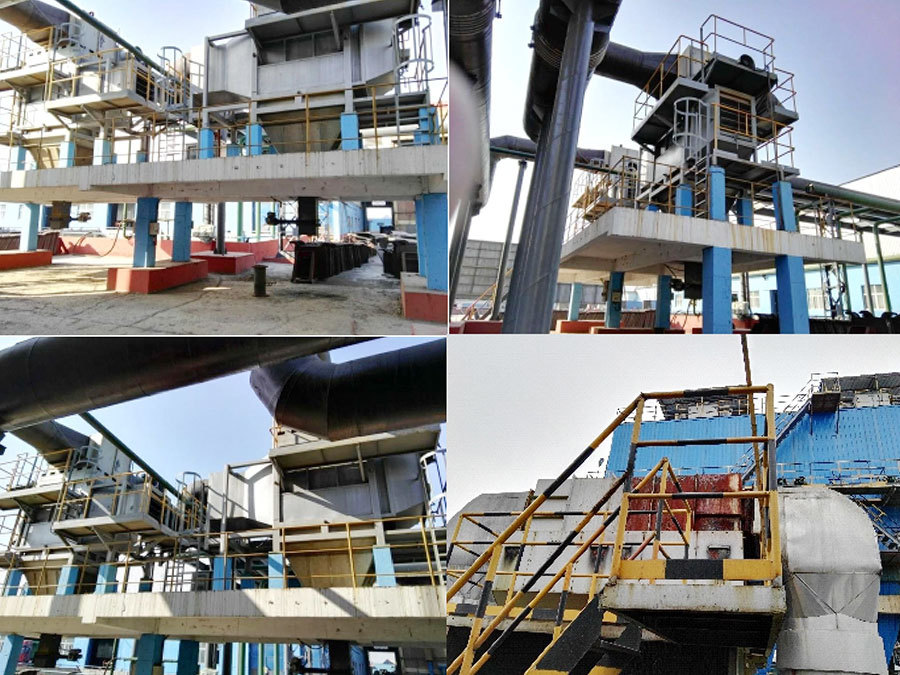
Why Smelting Equipment Solutions Are Essential for Modern Industries
Table of Contents
- Introduction to Smelting Equipment Solutions
- The Significance of Smelting in Modern Industries
- Key Components of Smelting Equipment
- Types of Smelting Techniques Used Today
- Advantages of Modern Smelting Equipment Solutions
- Sustainability and Environmental Impact
- The Future of Smelting Technology
- How to Choose the Right Smelting Equipment
- Frequently Asked Questions
- Conclusion
Introduction to Smelting Equipment Solutions
In the realm of industrial processes, **smelting equipment solutions** stand as a cornerstone for numerous operations, primarily in the metallurgical sector. Smelting is the process of extracting metal from its ore by using heat and a reducing agent, often carbon. This article delves into the importance of **smelting equipment** in contemporary industries, focusing on how it enhances production efficiency, supports sustainability initiatives, and incorporates advanced technology.
The Significance of Smelting in Modern Industries
Smelting plays a pivotal role in modern industries, particularly those concerned with metal production such as **construction, automotive, aerospace, and electronics**. As these sectors continue to evolve, the demand for high-quality metals has surged. Smelting equipment is essential for:
- **Metal Extraction**: Efficiently extracting valuable metals from ores.
- **Alloy Production**: Creating various metal alloys, essential for different applications.
- **Resource Management**: Enabling industries to recycle metals from scrap, which is vital for resource conservation.
In summary, the significance of smelting extends beyond mere extraction; it is fundamental to the development of materials that propel technological innovation and economic growth.
Key Components of Smelting Equipment
To comprehend the importance of smelting equipment solutions, we must examine their core components:
1. Furnaces
Furnaces are the heart of smelting operations. Modern smelting uses different types of furnaces, including:
- **Blast Furnaces**: For iron and other metals, utilizing a combination of iron ore, coke, and limestone.
- **Electric Arc Furnaces (EAFs)**: Employed for steelmaking, using electrical energy to melt scrap metal.
2. Refractory Materials
Refractory materials line the interior of furnaces, designed to withstand extreme temperatures and corrosive environments. The choice of refractory material is crucial for operational efficiency and longevity.
3. Cooling Systems
Effective cooling systems are essential to maintain optimal temperatures during the smelting process. They help in managing heat dissipation and protecting equipment from overheating.
4. Smelting Additives
Additives such as fluxes are used to promote the separation of metal from impurities. The right additives can enhance the quality of the final product.
Types of Smelting Techniques Used Today
Modern industries leverage various smelting techniques to optimize production:
1. Traditional Smelting Techniques
Traditional methods, including cupellation and lead smelting, are still employed for specific applications. These techniques often require more manual labor and are less efficient than modern alternatives.
2. Pyrometallurgical Processes
This method involves high-temperature operations that facilitate the extraction of metals. Processes like roasting, smelting, and refining fall under this category.
3. Hydrometallurgical Techniques
Involves the use of aqueous solutions to extract metals, offering a more environmentally friendly approach. Techniques such as leaching and solvent extraction are prevalent in this category.
4. Biotechnological Smelting
Emerging technologies leverage biological processes, employing microorganisms to extract metals from ores. This innovative approach holds promise for the future of sustainable mining.
Advantages of Modern Smelting Equipment Solutions
Investing in modern smelting equipment solutions brings a plethora of benefits:
1. Increased Efficiency
Modern smelting equipment is designed to maximize output while minimizing energy consumption. Innovations such as automation and real-time monitoring systems enhance operational efficiency.
2. Enhanced Metal Quality
With advanced technology, manufacturers can achieve greater purity and consistency in their metal products. This is crucial for industries that demand high-performance materials.
3. Cost-Effectiveness
Although the initial investment may be high, modern smelting solutions often lead to lower operational costs in the long run. They reduce waste and improve yield, ultimately enhancing profitability.
4. Safety Improvements
Modern equipment integrates safety features that protect workers and minimize the risk of accidents. Automated processes reduce human exposure to hazardous conditions.
Sustainability and Environmental Impact
As industries face increasing pressure to embrace sustainability, smelting equipment solutions have evolved to address environmental concerns. Key aspects include:
1. Waste Reduction
Modern smelting processes are designed to minimize waste generation. By optimizing resource use, industries can significantly reduce their environmental footprint.
2. Emission Control
Innovative technologies are implemented to control emissions of harmful gases. Advanced filtration systems and scrubbers ensure compliance with environmental regulations.
3. Recycling and Circular Economy
Smelting facilities are increasingly focusing on recycling scrap metals. This practice not only conserves resources but also promotes a circular economy model, which is vital for sustainable development.
The Future of Smelting Technology
The future of smelting equipment solutions is poised for exciting advancements. Emerging trends include:
1. Automation and AI Integration
Artificial intelligence is set to revolutionize smelting operations by enabling predictive maintenance and optimizing production schedules. Automation can enhance efficiency and reduce labor costs.
2. Eco-Friendly Technologies
Research into zero-emission smelting techniques is underway, focusing on minimizing carbon footprints. New methods that utilize renewable energy sources will be pivotal.
3. Advanced Materials
The development of new materials for furnace linings and components will enhance durability and thermal efficiency, leading to more sustainable smelting processes.
How to Choose the Right Smelting Equipment
Selecting the appropriate smelting equipment is crucial for operational success. Consider the following factors:
1. Type of Metal Being Processed
Different metals require specific smelting techniques and equipment. Understanding the characteristics of the metal will guide your selection process.
2. Production Capacity Requirements
Assess your facility's production needs. Choose equipment that aligns with your capacity requirements while considering future expansion.
3. Budget and Cost Considerations
Evaluate your budget while considering the long-term benefits of modern solutions. Sometimes, slightly higher initial costs lead to greater savings over time.
4. Supplier Reputation
Opt for reputable suppliers known for quality equipment and reliable service. Research industry reviews and case studies to ensure you make an informed choice.
Frequently Asked Questions
1. What types of metals can be extracted using smelting?
Smelting is commonly used for extracting metals such as iron, copper, lead, and zinc from their ores.
2. How does modern smelting impact the environment?
Modern smelting techniques aim to reduce emissions and waste, promoting sustainability and minimizing the environmental impact of metal production.
3. What is the difference between pyrometallurgy and hydrometallurgy?
Pyrometallurgy involves high-temperature processes for metal extraction, while hydrometallurgy uses aqueous solutions to extract metals, often in a more environmentally friendly manner.
4. How can I ensure the safety of workers in smelting operations?
Implement automated processes, provide safety training, and maintain equipment regularly to enhance worker safety in smelting operations.
5. What advancements are on the horizon for smelting technology?
Future advancements include increased automation, integration of AI, eco-friendly technologies, and the development of advanced materials for equipment.
Conclusion
In conclusion, **smelting equipment solutions** play an indispensable role in modern industries, driving efficiency, sustainability, and technological progression. As industries continue to evolve, investing in state-of-the-art smelting equipment is not just a strategic move—it's essential for staying competitive in a rapidly changing market. Embracing these solutions will empower businesses to produce high-quality metals while minimizing their environmental footprint, paving the way for a sustainable industrial future.
TAG:
Previous:
Contact Us
Company Email:
962452762@qq.com
Contact Number:
+8615670922562
Company Address:
No. 11 Plant, Tiantan Industrial Park, Huling Industrial Cluster, Jiyuan City

Address: No. 11 Plant, Tiantan Industrial Park, Huling Industrial Cluster, Jiyuan City

Scan with WeChat
Copyright © Xinyu Metallurgical Equipment Co., Ltd.
SAF Coolest v1.3.1.2 设置面板 GAGSE-ZGYF-JXSZE-AED
违禁词: First, best, top-notch, leading, unique, king, leader, leader, ultimate,
无数据提示
Sorry, this column is currently being updated. Please stay tuned!
You can view other columns or returnHomepage