Address: No. 11 Plant, Tiantan Industrial Park, Huling Industrial Cluster, Jiyuan City

The Future of Industrial Equipment: Innovations in Electrolytic Lead Production
Jun 29,2026
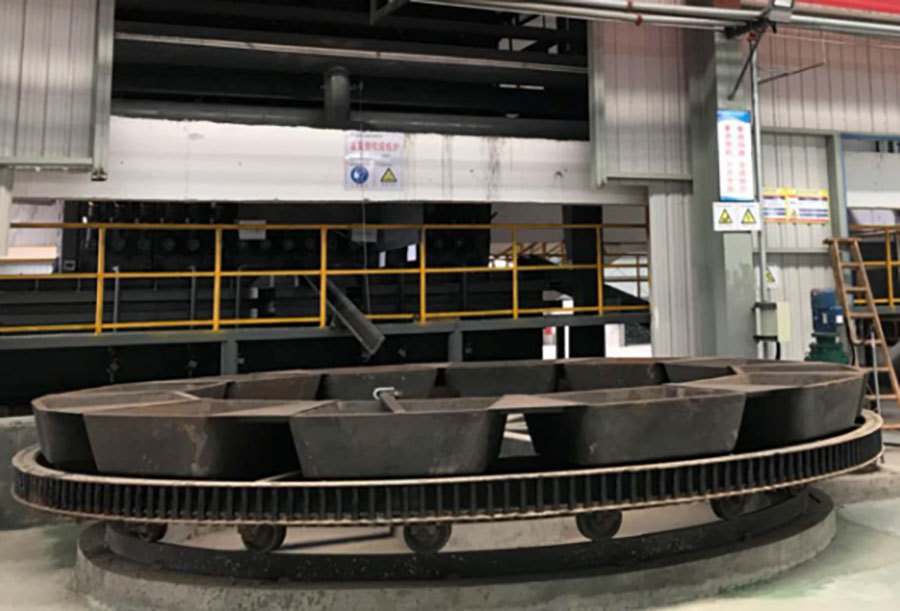
The Future of Industrial Equipment: Innovations in Electrolytic Lead Production
Table of Contents
- Introduction to Electrolytic Lead Production
- Historical Context of Lead Production Methods
- Technological Innovations in Electrolytic Lead Production
- Sustainability and Environmental Impact
- Key Components of Electrolytic Lead Production Equipment
- Future Trends in Industrial Equipment
- Challenges and Solutions in Electrolytic Lead Production
- Conclusion
- FAQs
Introduction to Electrolytic Lead Production
Electrolytic lead production is a revolutionary process that transforms how lead is extracted and refined. Unlike traditional methods, which often rely on mining and smelting, electrolytic processes utilize electrochemical reactions to separate lead from its ores or recycling materials. This innovative approach not only enhances efficiency but also significantly reduces environmental hazards associated with lead production.
Historical Context of Lead Production Methods
The production of lead has evolved over centuries, transitioning from primitive smelting techniques to modern electrolytic methods. Initially, lead was extracted from ores using high-temperature smelting, a labor-intensive process that released harmful emissions into the atmosphere. As environmental awareness grew, the industry began exploring alternative methods, leading to the adoption of electrolytic processes in the latter half of the 20th century.
This shift was driven not only by environmental concerns but also by the need for more efficient production methods that could meet the increasing demand for lead in various industries, such as batteries, construction, and electronics.
Technological Innovations in Electrolytic Lead Production
Recent advancements in technology are propelling electrolytic lead production into a new era. Key innovations include:
1. Improved Electrolytic Cells
Modern electrolytic cells are designed to maximize efficiency and reduce energy consumption. These cells utilize advanced materials that enhance conductivity and minimize resistance, leading to higher production rates and lower operational costs.
2. Automation and Process Control
The integration of automation in electrolytic lead production processes has revolutionized operational efficiency. Real-time monitoring and control systems enable manufacturers to optimize production conditions, reduce waste, and ensure consistent product quality.
3. Energy Recovery Systems
Innovative energy recovery systems capture and reuse energy generated during the electrolytic process. This not only enhances overall efficiency but also contributes to sustainability by lowering the carbon footprint of lead production.
4. Enhanced Recycling Techniques
As recycling becomes increasingly important in resource management, advancements in electrolytic lead production are facilitating the efficient recovery of lead from used batteries and other products. Improved separation and purification methods ensure that recycled lead meets the stringent standards required for new applications.
Sustainability and Environmental Impact
As industries strive for sustainability, electrolytic lead production stands out as a more environmentally-friendly alternative. The process generates significantly lower greenhouse gas emissions compared to traditional smelting methods. Furthermore, the ability to recycle lead effectively reduces the need for mining, preserving natural resources and minimizing ecological disruption.
1. Reduced Toxic Emissions
Electrolytic methods produce fewer toxic byproducts, leading to cleaner air and water. This is vital for communities near production facilities, where traditional methods have historically posed health risks.
2. Compliance with Regulatory Standards
The increasing stringency of environmental regulations is driving the adoption of electrolytic lead production. Manufacturers can better comply with regulations while minimizing their environmental impact, enhancing their corporate social responsibility profile.
Key Components of Electrolytic Lead Production Equipment
Understanding the key components of electrolytic lead production equipment is crucial for optimizing performance and efficiency. The primary components include:
1. Electrolytic Cells
These cells are the heart of the electrolytic production process, where the electrochemical reactions occur. The design and materials used in these cells can significantly affect production efficiency and cost.
2. Power Supply Systems
Reliable power supply systems are essential for maintaining consistent current flow in the electrolytic cells. Advanced power electronics can help optimize energy usage and reduce operational costs.
3. Control Systems
Automated control systems utilize sensors and software to monitor and adjust production parameters in real-time. This ensures optimal operating conditions and enables quick responses to any issues that may arise.
4. Filtration and Purification Systems
Effective filtration and purification systems are vital for removing impurities from the lead produced, ensuring that the final product meets industry standards.
Future Trends in Industrial Equipment
The future of electrolytic lead production is closely tied to ongoing trends in the industrial equipment sector. Key trends include:
1. Industry 4.0 and Smart Manufacturing
The advent of Industry 4.0 is transforming manufacturing through the integration of IoT, AI, and big data. In electrolytic lead production, this will facilitate predictive maintenance, enhanced quality control, and increased automation.
2. Sustainable Practices and Circular Economy
The focus on sustainability is driving the development of circular economy practices, where waste is minimized, and resources are reused. Electrolytic lead production aligns with these principles, promoting recycling and reducing reliance on virgin materials.
3. Advanced Materials Development
Research into new materials for electrolytic cells and components is ongoing, aiming to improve efficiency and lifespan. Emerging materials may lead to lower energy requirements and enhanced performance.
Challenges and Solutions in Electrolytic Lead Production
While electrolytic lead production offers numerous advantages, challenges remain:
1. High Initial Investment
The initial cost of setting up electrolytic lead production facilities can be significant. However, the long-term savings in operational costs often justify this investment.
2. Technical Expertise
Operating advanced electrolytic systems requires skilled personnel. Investing in training and education is essential for optimizing production processes.
3. Market Fluctuations
The lead market is subject to fluctuations in demand and price. Companies must remain agile and responsive to changing market conditions to maintain profitability.
Conclusion
The future of industrial equipment, particularly in electrolytic lead production, is bright and full of potential. With continuous innovations driving efficiency, sustainability, and environmental responsibility, this sector is poised for significant growth. As companies embrace new technologies and practices, the landscape of lead production will evolve, creating a safer and more sustainable future for industries around the globe.
FAQs
1. What are the main advantages of electrolytic lead production?
Electrolytic lead production offers lower emissions, higher efficiency, and improved recycling capabilities compared to traditional methods.
2. How does the electrolytic process work?
The electrolytic process involves passing an electric current through a solution containing lead ions, causing the lead to deposit onto the cathode.
3. What are the environmental benefits of electrolytic lead production?
This method reduces toxic emissions, conserves natural resources through recycling, and minimizes ecological disruption associated with mining.
4. What challenges does the electrolytic lead production industry face?
Key challenges include high initial setup costs, the need for skilled labor, and market volatility.
5. What future trends should we expect in electrolytic lead production?
Expect advancements in smart manufacturing, sustainable practices, and the development of new materials to enhance production efficiency.
TAG:
Previous:
Contact Us
Company Email:
962452762@qq.com
Contact Number:
+8615670922562
Company Address:
No. 11 Plant, Tiantan Industrial Park, Huling Industrial Cluster, Jiyuan City

Address: No. 11 Plant, Tiantan Industrial Park, Huling Industrial Cluster, Jiyuan City

Scan with WeChat
Copyright © Xinyu Metallurgical Equipment Co., Ltd.
SAF Coolest v1.3.1.2 设置面板 GAGSE-ZGYF-JXSZE-AED
违禁词: First, best, top-notch, leading, unique, king, leader, leader, ultimate,
无数据提示
Sorry, this column is currently being updated. Please stay tuned!
You can view other columns or returnHomepage