Address: No. 11 Plant, Tiantan Industrial Park, Huling Industrial Cluster, Jiyuan City

Understanding Non-Ferrous Smelting Equipment: Key Insights for Professionals
Jun 04,2026
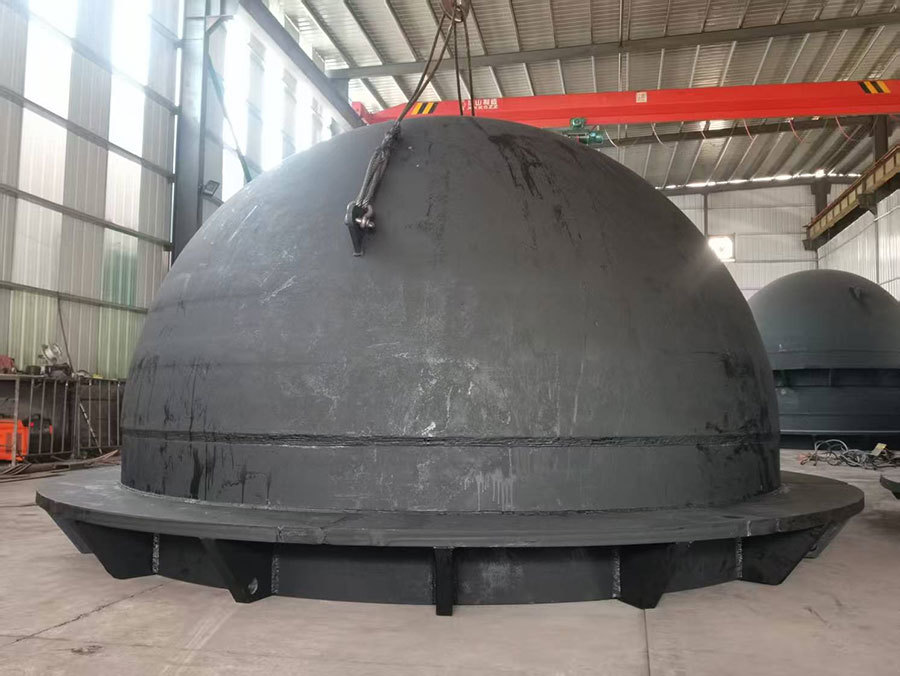
Non-ferrous smelting equipment plays a crucial role in the extraction and processing of metals that do not contain significant amounts of iron. These metals, such as aluminum, copper, lead, zinc, and nickel, possess unique properties that make them invaluable in various industries, including construction, electronics, and automotive. Understanding the different types of non-ferrous smelting equipment and their operational principles can significantly improve efficiency and product quality in smelting operations.
The primary types of non-ferrous smelting equipment include furnaces, converters, and refining systems. Each type serves a specific purpose and is designed to handle distinct materials. For instance, electric arc furnaces are commonly used for aluminum smelting, utilizing electrical energy to melt scrap material. On the other hand, flash smelting technology is often employed for copper extraction, as it enables rapid processing and minimizes energy consumption.
When selecting non-ferrous smelting equipment, it is essential to consider various factors, including the type of metal being processed, the scale of production, and the desired purity level of the final product. Additionally, the integration of modern technologies, such as automation and advanced monitoring systems, can greatly enhance operational efficiency and reduce downtime. Implementing these technologies not only streamlines the smelting process but also improves safety conditions for workers.
Another vital aspect of non-ferrous smelting equipment is its environmental impact. The smelting process can produce harmful emissions and waste byproducts that must be managed properly. Therefore, selecting equipment that incorporates pollution control technologies is crucial in meeting regulatory standards and promoting sustainable practices. Investing in equipment with advanced emission controls can significantly reduce the environmental footprint of smelting operations.
Moreover, maintenance is a critical consideration when working with non-ferrous smelting equipment. Regular inspections and servicing are essential to ensure optimal performance and longevity. Establishing a comprehensive maintenance program can prevent unexpected breakdowns and minimize operational costs.
In summary, non-ferrous smelting equipment is integral to the efficient and effective processing of valuable metals. By understanding the various types of equipment available, operational considerations, and environmental impacts, industry professionals can make informed decisions that enhance productivity and sustainability. Emphasizing the importance of technology and maintenance can further improve operations, ensuring the long-term success of smelting endeavors.
The primary types of non-ferrous smelting equipment include furnaces, converters, and refining systems. Each type serves a specific purpose and is designed to handle distinct materials. For instance, electric arc furnaces are commonly used for aluminum smelting, utilizing electrical energy to melt scrap material. On the other hand, flash smelting technology is often employed for copper extraction, as it enables rapid processing and minimizes energy consumption.
When selecting non-ferrous smelting equipment, it is essential to consider various factors, including the type of metal being processed, the scale of production, and the desired purity level of the final product. Additionally, the integration of modern technologies, such as automation and advanced monitoring systems, can greatly enhance operational efficiency and reduce downtime. Implementing these technologies not only streamlines the smelting process but also improves safety conditions for workers.
Another vital aspect of non-ferrous smelting equipment is its environmental impact. The smelting process can produce harmful emissions and waste byproducts that must be managed properly. Therefore, selecting equipment that incorporates pollution control technologies is crucial in meeting regulatory standards and promoting sustainable practices. Investing in equipment with advanced emission controls can significantly reduce the environmental footprint of smelting operations.
Moreover, maintenance is a critical consideration when working with non-ferrous smelting equipment. Regular inspections and servicing are essential to ensure optimal performance and longevity. Establishing a comprehensive maintenance program can prevent unexpected breakdowns and minimize operational costs.
In summary, non-ferrous smelting equipment is integral to the efficient and effective processing of valuable metals. By understanding the various types of equipment available, operational considerations, and environmental impacts, industry professionals can make informed decisions that enhance productivity and sustainability. Emphasizing the importance of technology and maintenance can further improve operations, ensuring the long-term success of smelting endeavors.
TAG:
Contact Us
Company Email:
962452762@qq.com
Contact Number:
+8615670922562
Company Address:
No. 11 Plant, Tiantan Industrial Park, Huling Industrial Cluster, Jiyuan City

Address: No. 11 Plant, Tiantan Industrial Park, Huling Industrial Cluster, Jiyuan City

Scan with WeChat
Copyright © Xinyu Metallurgical Equipment Co., Ltd.
SAF Coolest v1.3.1.2 设置面板 GAGSE-ZGYF-JXSZE-AED
违禁词: First, best, top-notch, leading, unique, king, leader, leader, ultimate,
无数据提示
Sorry, this column is currently being updated. Please stay tuned!
You can view other columns or returnHomepage