Address: No. 11 Plant, Tiantan Industrial Park, Huling Industrial Cluster, Jiyuan City

Essential Insights into Copper Melting Furnaces for Industrial Applications
May 29,2026
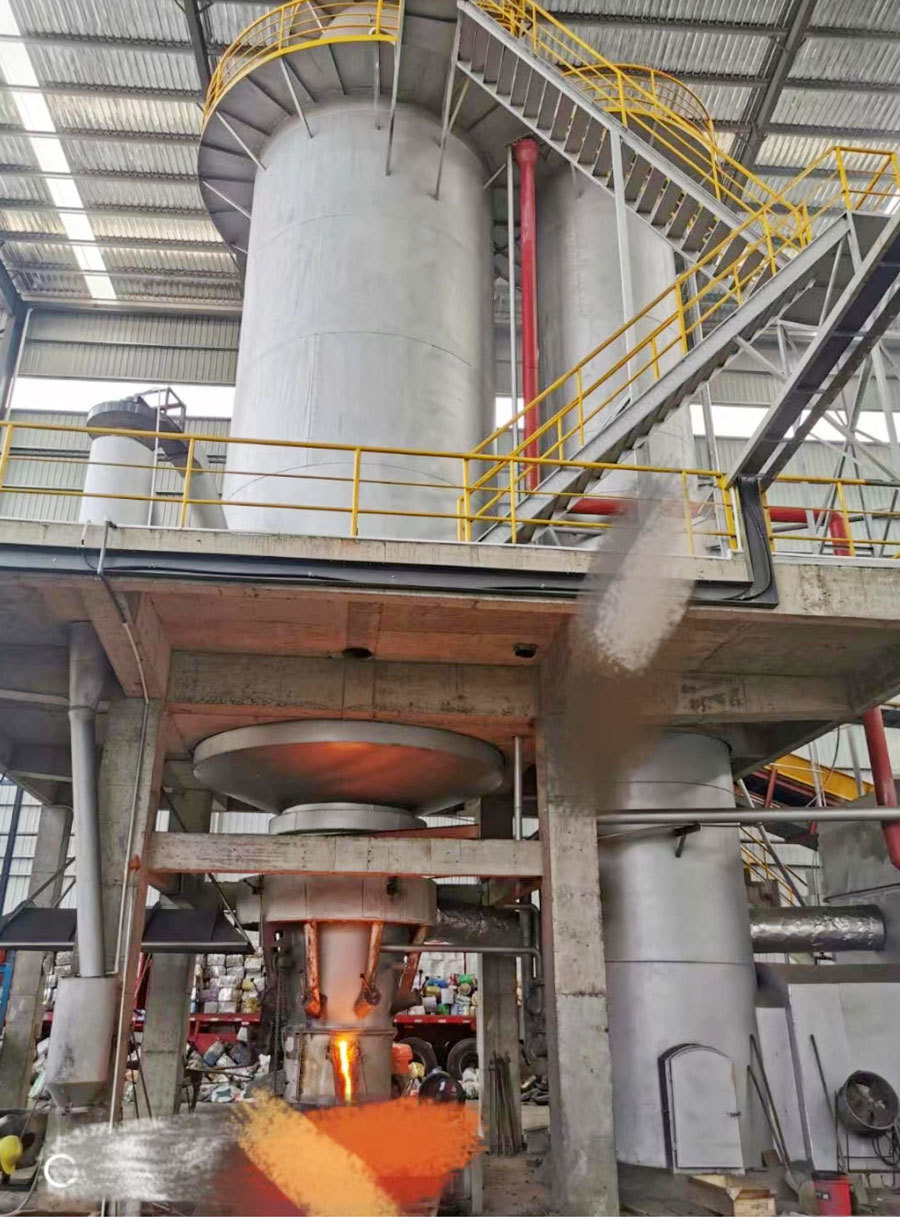
Copper melting furnaces are vital components in the metalworking industry, particularly for companies involved in the recycling and production of copper materials. These furnaces are designed to efficiently melt copper scrap or ingots, allowing for the creation of new products and the recovery of valuable metals. Understanding how these furnaces operate, their types, and best practices can significantly impact operational efficiency and product quality.
At the core of a copper melting furnace is the heat source, which can vary depending on the specific furnace design. Commonly used heat sources include electric arcs, gas, and induction heating. Each of these methods has its advantages. For instance, electric arc furnaces provide precise temperature control, while induction furnaces offer energy efficiency and rapid heating capabilities. Choosing the right type of furnace is crucial, as it can influence both the melting speed and the quality of the melted copper.
When operating a copper melting furnace, several factors must be considered to optimize performance. The charge material, or the type of scrap copper being melted, plays a significant role. It is essential to ensure that the scrap is clean and free from contaminants to avoid compromising the quality of the molten copper. Additionally, maintaining optimal temperature levels is critical. Overheating can lead to oxidation and loss of metal, whereas insufficient heat may result in incomplete melting.
Safety is another paramount concern in operating copper melting furnaces. High-temperature environments pose risks that require stringent safety protocols. Operators should be equipped with personal protective equipment (PPE) and trained in emergency response procedures. Regular maintenance of the furnace and monitoring systems are also vital in preventing accidents and ensuring a safe working environment.
Moreover, the integration of advanced technologies, such as automation and monitoring systems, can significantly enhance the efficiency of copper melting processes. Automation allows for precise control over parameters, reducing the chance of human error and improving consistency in production. Implementing monitoring systems can help track energy consumption and emissions, aiding in sustainability efforts and compliance with environmental regulations.
In conclusion, understanding the intricacies of copper melting furnaces is essential for professionals in the industrial sector. By selecting the appropriate furnace type, ensuring high-quality charge materials, prioritizing safety, and embracing technological advancements, businesses can optimize their melting operations and achieve greater efficiency. This not only enhances productivity but also contributes to the sustainable practice of metal recycling, which is increasingly important in today's environmentally conscious market.
At the core of a copper melting furnace is the heat source, which can vary depending on the specific furnace design. Commonly used heat sources include electric arcs, gas, and induction heating. Each of these methods has its advantages. For instance, electric arc furnaces provide precise temperature control, while induction furnaces offer energy efficiency and rapid heating capabilities. Choosing the right type of furnace is crucial, as it can influence both the melting speed and the quality of the melted copper.
When operating a copper melting furnace, several factors must be considered to optimize performance. The charge material, or the type of scrap copper being melted, plays a significant role. It is essential to ensure that the scrap is clean and free from contaminants to avoid compromising the quality of the molten copper. Additionally, maintaining optimal temperature levels is critical. Overheating can lead to oxidation and loss of metal, whereas insufficient heat may result in incomplete melting.
Safety is another paramount concern in operating copper melting furnaces. High-temperature environments pose risks that require stringent safety protocols. Operators should be equipped with personal protective equipment (PPE) and trained in emergency response procedures. Regular maintenance of the furnace and monitoring systems are also vital in preventing accidents and ensuring a safe working environment.
Moreover, the integration of advanced technologies, such as automation and monitoring systems, can significantly enhance the efficiency of copper melting processes. Automation allows for precise control over parameters, reducing the chance of human error and improving consistency in production. Implementing monitoring systems can help track energy consumption and emissions, aiding in sustainability efforts and compliance with environmental regulations.
In conclusion, understanding the intricacies of copper melting furnaces is essential for professionals in the industrial sector. By selecting the appropriate furnace type, ensuring high-quality charge materials, prioritizing safety, and embracing technological advancements, businesses can optimize their melting operations and achieve greater efficiency. This not only enhances productivity but also contributes to the sustainable practice of metal recycling, which is increasingly important in today's environmentally conscious market.
TAG:
Contact Us
Company Email:
962452762@qq.com
Contact Number:
+8615670922562
Company Address:
No. 11 Plant, Tiantan Industrial Park, Huling Industrial Cluster, Jiyuan City

Address: No. 11 Plant, Tiantan Industrial Park, Huling Industrial Cluster, Jiyuan City

Scan with WeChat
Copyright © Xinyu Metallurgical Equipment Co., Ltd.
SAF Coolest v1.3.1.2 设置面板 GAGSE-ZGYF-JXSZE-AED
违禁词: First, best, top-notch, leading, unique, king, leader, leader, ultimate,
无数据提示
Sorry, this column is currently being updated. Please stay tuned!
You can view other columns or returnHomepage