Address: No. 11 Plant, Tiantan Industrial Park, Huling Industrial Cluster, Jiyuan City

Understanding Lead Refining Furnaces: Key Insights for Industry Professionals
May 23,2026
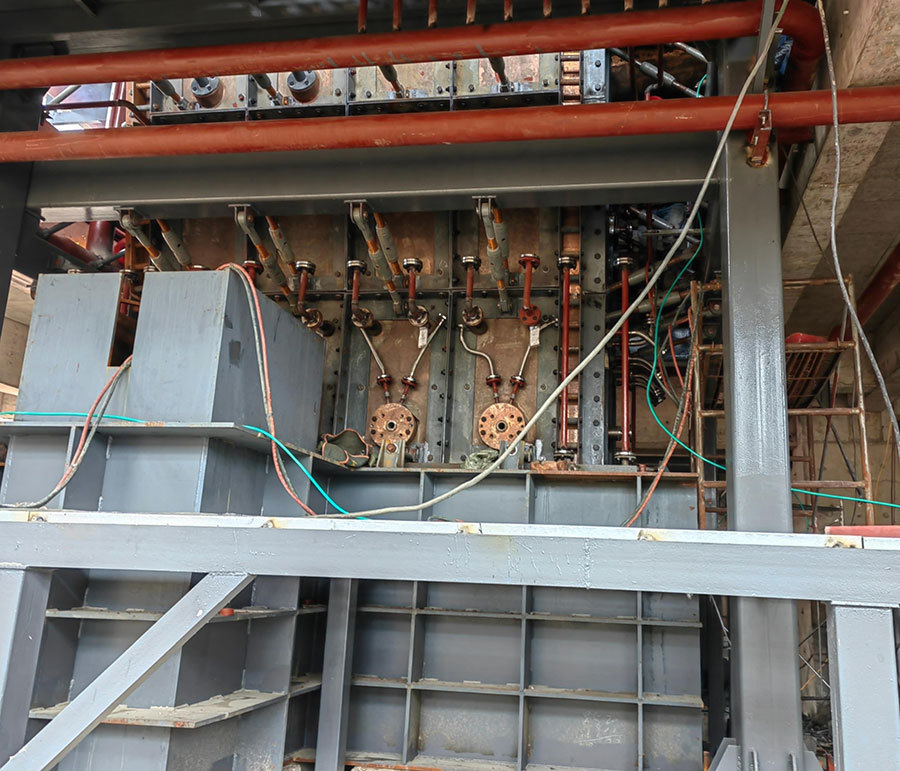
Lead refining furnaces play a pivotal role in the efficient purification of lead obtained from various sources, including recycled batteries and other lead-containing materials. These furnaces are designed to separate impurities from lead, resulting in high-purity metal that meets industry standards. The refining process typically involves the application of heat to melt the impure lead and the addition of fluxes that help in the separation of contaminants.
One of the primary functions of a lead refining furnace is to maintain optimal temperature control. This is crucial as the melting point of lead is relatively low, around 327.5 degrees Celsius (621.5 degrees Fahrenheit). Maintaining an appropriate temperature not only ensures efficient melting but also facilitates the removal of impurities such as copper, zinc, and other unwanted metals. Advanced control systems are often integrated into modern lead refining furnaces to provide precise temperature regulation, enhancing the overall efficiency of the refining process.
The design of lead refining furnaces varies, with batch and continuous types available. Batch furnaces are suitable for smaller operations or applications where production volumes fluctuate. In contrast, continuous furnaces are ideal for larger-scale operations, allowing for uninterrupted processing of lead, which significantly increases productivity. The choice between these two types often depends on the specific requirements of the operation, including the volume of lead being processed and the desired level of automation.
Safety is another critical aspect of operating a lead refining furnace. The process involves handling hazardous materials, and proper safety protocols must be in place to protect workers and the environment. Adequate ventilation systems, personal protective equipment (PPE), and regular maintenance checks are essential components of a safe operational environment.
In terms of environmental considerations, lead refining furnaces must comply with stringent regulations to minimize emissions and waste. Implementing efficient dust collection systems and exploring innovative waste management strategies can significantly reduce the environmental footprint of lead refining operations. This not only helps in regulatory compliance but also enhances the sustainability of metal recovery processes.
In conclusion, lead refining furnaces are vital to the smelting industry, serving as the backbone of lead purification efforts. Understanding their functionality, operational requirements, and safety measures is essential for professionals in the field. By prioritizing efficiency and compliance, businesses can optimize their lead refining processes, contributing to both economic viability and environmental responsibility.
One of the primary functions of a lead refining furnace is to maintain optimal temperature control. This is crucial as the melting point of lead is relatively low, around 327.5 degrees Celsius (621.5 degrees Fahrenheit). Maintaining an appropriate temperature not only ensures efficient melting but also facilitates the removal of impurities such as copper, zinc, and other unwanted metals. Advanced control systems are often integrated into modern lead refining furnaces to provide precise temperature regulation, enhancing the overall efficiency of the refining process.
The design of lead refining furnaces varies, with batch and continuous types available. Batch furnaces are suitable for smaller operations or applications where production volumes fluctuate. In contrast, continuous furnaces are ideal for larger-scale operations, allowing for uninterrupted processing of lead, which significantly increases productivity. The choice between these two types often depends on the specific requirements of the operation, including the volume of lead being processed and the desired level of automation.
Safety is another critical aspect of operating a lead refining furnace. The process involves handling hazardous materials, and proper safety protocols must be in place to protect workers and the environment. Adequate ventilation systems, personal protective equipment (PPE), and regular maintenance checks are essential components of a safe operational environment.
In terms of environmental considerations, lead refining furnaces must comply with stringent regulations to minimize emissions and waste. Implementing efficient dust collection systems and exploring innovative waste management strategies can significantly reduce the environmental footprint of lead refining operations. This not only helps in regulatory compliance but also enhances the sustainability of metal recovery processes.
In conclusion, lead refining furnaces are vital to the smelting industry, serving as the backbone of lead purification efforts. Understanding their functionality, operational requirements, and safety measures is essential for professionals in the field. By prioritizing efficiency and compliance, businesses can optimize their lead refining processes, contributing to both economic viability and environmental responsibility.
TAG:
Contact Us
Company Email:
962452762@qq.com
Contact Number:
+8615670922562
Company Address:
No. 11 Plant, Tiantan Industrial Park, Huling Industrial Cluster, Jiyuan City

Address: No. 11 Plant, Tiantan Industrial Park, Huling Industrial Cluster, Jiyuan City

Scan with WeChat
Copyright © Xinyu Metallurgical Equipment Co., Ltd.
SAF Coolest v1.3.1.2 设置面板 GAGSE-ZGYF-JXSZE-AED
违禁词: First, best, top-notch, leading, unique, king, leader, leader, ultimate,
无数据提示
Sorry, this column is currently being updated. Please stay tuned!
You can view other columns or returnHomepage