Address: No. 11 Plant, Tiantan Industrial Park, Huling Industrial Cluster, Jiyuan City

How Metal Refining Equipment Propels Global Trade Forward
May 08,2026
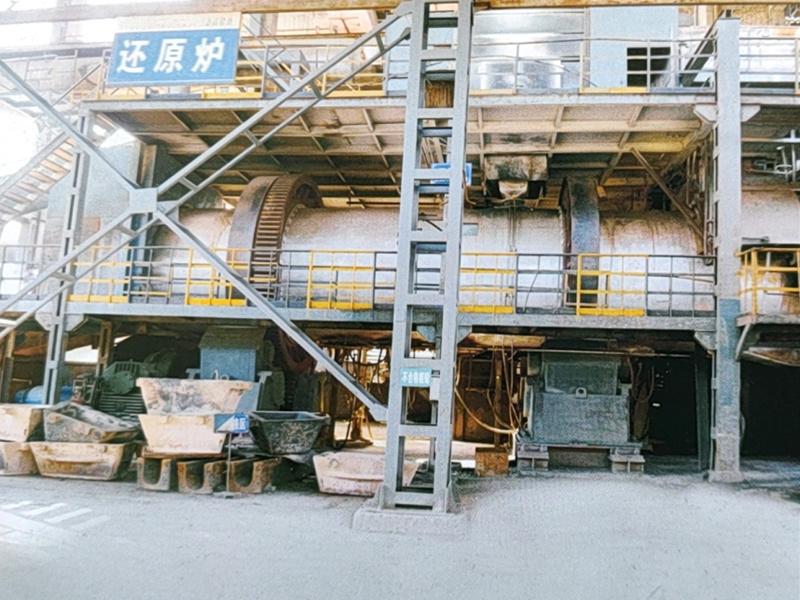
How Metal Refining Equipment Propels Global Trade Forward
Table of Contents
- 1. Introduction to Metal Refining Equipment
- 2. The Importance of Metal Refining in Global Trade
- 3. Types of Metal Refining Equipment
- 4. Advancements in Metal Refining Technology
- 5. How Metal Refining Equipment Optimizes Supply Chains
- 6. The Environmental Impact of Metal Refining Equipment
- 7. Future Trends in Metal Refining Equipment
- 8. Conclusion
- 9. Frequently Asked Questions
1. Introduction to Metal Refining Equipment
Metal refining equipment serves as the backbone of the metallurgical industry, playing a significant role in transforming raw metal ores into high-purity, usable materials. This crucial process not only supports various industries, including automotive, aerospace, and construction, but also facilitates global trade by ensuring the availability of essential metals. In today's interconnected world, the efficiency and effectiveness of metal refining equipment can determine the success of companies and nations alike.
2. The Importance of Metal Refining in Global Trade
The significance of metal refining in global trade cannot be overstated. As countries strive to meet the demands of various sectors, the ability to efficiently refine metals directly influences trade dynamics. With increasing globalization, refined metals are traded internationally, impacting economies on a massive scale. Countries rich in natural resources benefit immensely from exporting refined materials, while nations with limited resources rely on imports to sustain their industries.
2.1 Enhancing Economic Value
Refining metals adds substantial economic value to raw materials. For instance, the price of refined gold is significantly higher than that of gold ore. This value addition allows countries to earn higher revenues and improve their trade balances.
2.2 Supporting Technological Advancements
Metal refining equipment supports innovative technologies that enhance production processes, leading to higher efficiency and reduced costs. This technological evolution is vital for nations competing in the global market, where quality and pricing can dictate trade outcomes.
3. Types of Metal Refining Equipment
Metal refining encompasses a variety of equipment tailored for specific processes. Each type plays a pivotal role in achieving the desired purity and quality of refined metals.
3.1 Furnaces
Furnaces are essential for smelting and refining various metals. They provide the necessary heat to separate impurities from metal ores. Technologies such as induction and electric arc furnaces are increasingly popular due to their energy efficiency and precise temperature control.
3.2 Electrolytic Cells
Electrolytic refining uses electrolysis to obtain high-purity metals. This method is commonly employed in copper and aluminum refining, allowing for exceptional purity levels and minimal environmental impact.
3.3 Filter Presses and Centrifuges
These pieces of equipment are crucial for separating metals from slurries, ensuring that the final product is free from contaminants. Their efficiency significantly enhances the overall refining process.
3.4 Continuous Casting Machines
Continuous casting machines allow for the direct formation of metal shapes, reducing material waste and increasing production efficiency. This technology is particularly beneficial for industries that require specific metal forms.
4. Advancements in Metal Refining Technology
The metal refining industry has witnessed remarkable technological advancements that enhance productivity and sustainability.
4.1 Automation and AI
The integration of automation and artificial intelligence (AI) in metal refining processes has transformed operations. These technologies optimize production schedules, reduce downtime, and improve safety standards, ultimately enhancing output.
4.2 Green Technologies
With growing environmental concerns, the industry is shifting towards greener technologies. Innovations such as bioleaching and hydrometallurgy reduce the carbon footprint and minimize waste, aligning metal refining with global sustainability goals.
4.3 Data Analytics
Utilizing data analytics allows companies to monitor processes in real time, leading to improved decision-making. Predictive maintenance, enabled by data insights, can significantly reduce operational costs and extend equipment lifespan.
5. How Metal Refining Equipment Optimizes Supply Chains
Efficient metal refining equipment is crucial for optimizing supply chains in the global market.
5.1 Reducing Lead Times
Advanced refining technologies reduce lead times, enabling suppliers to meet customer demands promptly. This agility in production ensures that companies can adapt to market fluctuations quickly.
5.2 Enhancing Quality Control
Modern refining equipment incorporates sophisticated quality control measures, ensuring that the final products meet stringent global standards. This reliability builds trust among international partners and enhances trade relationships.
5.3 Streamlining Logistics
By improving the efficiency of the refining process, companies can streamline logistics, reducing transportation costs and minimizing delays. This optimization is vital in a market where timing can impact competitiveness.
6. The Environmental Impact of Metal Refining Equipment
While metal refining is essential for global trade, it also poses significant environmental challenges. However, advancements in refining technologies aim to mitigate these impacts.
6.1 Waste Management Solutions
Innovative waste management solutions, such as recycling and waste-to-energy technologies, are being implemented to manage by-products from refining processes more effectively.
6.2 Reduction of Emissions
New refining technologies are designed to reduce greenhouse gas emissions significantly. By adopting cleaner energy sources and more efficient processes, the industry can contribute to global efforts to combat climate change.
7. Future Trends in Metal Refining Equipment
As the global market continues to evolve, several trends are shaping the future of metal refining equipment.
7.1 Increased Investment in R&D
Companies are expected to ramp up investments in research and development to innovate and enhance refining technologies further, ensuring their competitive edge in the global market.
7.2 Focus on Sustainability
With an increasing emphasis on environmental sustainability, the demand for eco-friendly refining processes will grow. Companies that prioritize sustainability are likely to secure a favorable position in global trade.
7.3 Global Collaboration
Collaboration between countries and industries will become more prevalent as nations strive to meet global demands. Sharing knowledge and resources can lead to advancements in refining technologies and processes.
8. Conclusion
Metal refining equipment plays a vital role in supporting global trade by enhancing the efficiency, quality, and sustainability of refined metals. As advancements in technology continue to shape the industry, the importance of efficient refining processes will grow. By embracing these changes, companies can secure their place in the global market and contribute to a more sustainable future.
9. Frequently Asked Questions
Q1: What is metal refining equipment?
A1: Metal refining equipment includes various machines and technologies used to process raw metal ores into high-purity, usable metals.
Q2: How does metal refining impact global trade?
A2: Metal refining enhances the availability of refined metals, which are crucial for various industries and international commerce, thereby influencing global trade dynamics.
Q3: What are the types of metal refining equipment?
A3: Common types include furnaces, electrolytic cells, filter presses, and continuous casting machines.
Q4: How is technology advancing in metal refining?
A4: Advancements include automation, AI integration, green technologies, and data analytics to optimize the refining process.
Q5: What are the environmental concerns associated with metal refining?
A5: Metal refining can produce emissions and waste, but advancements in technology are helping to reduce these impacts through waste management solutions and cleaner processes.
TAG:
Contact Us
Company Email:
962452762@qq.com
Contact Number:
+8615670922562
Company Address:
No. 11 Plant, Tiantan Industrial Park, Huling Industrial Cluster, Jiyuan City

Address: No. 11 Plant, Tiantan Industrial Park, Huling Industrial Cluster, Jiyuan City

Scan with WeChat
Copyright © Xinyu Metallurgical Equipment Co., Ltd.
SAF Coolest v1.3.1.2 设置面板 GAGSE-ZGYF-JXSZE-AED
违禁词: First, best, top-notch, leading, unique, king, leader, leader, ultimate,
无数据提示
Sorry, this column is currently being updated. Please stay tuned!
You can view other columns or returnHomepage