Address: No. 11 Plant, Tiantan Industrial Park, Huling Industrial Cluster, Jiyuan City

Innovative Trends in Complete Lead Smelting Line Technology: Revolutionizing Metal Recovery
Apr 26,2026
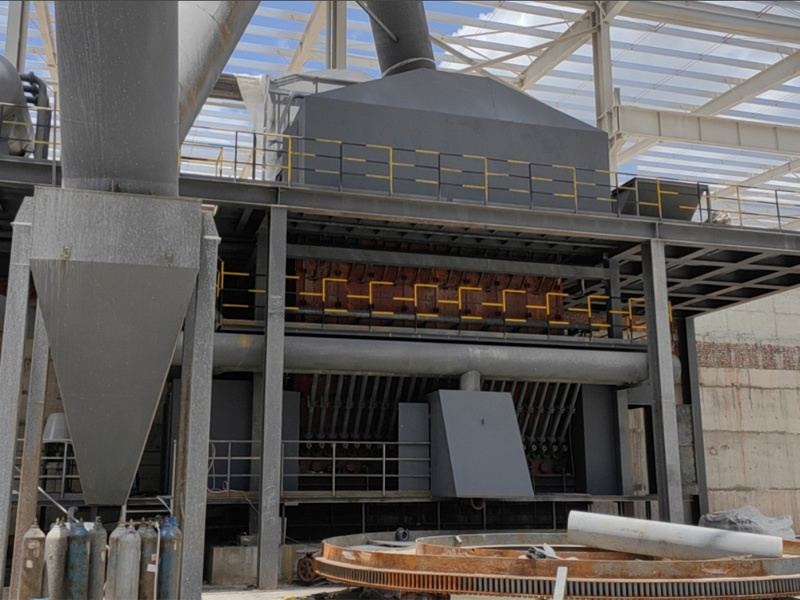
Innovative Trends in Complete Lead Smelting Line Technology
Table of Contents
- 1. Introduction to Lead Smelting Technology
- 2. The Importance of Efficient Lead Smelting
- 3. Innovative Trends in Lead Smelting Technology
- 3.1 Automation in Lead Smelting
- 3.2 Energy Efficiency Improvements
- 3.3 Reducing Environmental Impact
- 3.4 Advanced Smelting Techniques
- 4. Key Components of a Complete Lead Smelting Line
- 5. Case Studies: Successful Implementations of New Technologies
- 6. Future Trends in Lead Smelting Technology
- 7. Frequently Asked Questions
- 8. Conclusion
1. Introduction to Lead Smelting Technology
Lead smelting is a critical process in the metal recovery industry, facilitating the extraction of lead from its ores. The process involves multiple stages, including roasting, sintering, and smelting, which collectively transform raw materials into a purer lead product. Recent advancements in technology have introduced innovative methods that not only improve the efficiency of the smelting process but also enhance its sustainability.
2. The Importance of Efficient Lead Smelting
Efficient lead smelting is paramount for several reasons:
- **Resource Conservation**: With the declining availability of high-quality lead ore, efficient smelting processes allow for better utilization of existing resources.
- **Cost Reduction**: Enhanced technology reduces energy consumption and overall operational costs, making smelting operations more financially viable.
- **Environmental Responsibility**: Modern smelting technologies focus on reducing emissions and waste, aligning with global sustainability goals.
By embracing innovative trends in lead smelting technology, companies can not only optimize their operations but also contribute positively to environmental conservation.
3. Innovative Trends in Lead Smelting Technology
The lead smelting industry is witnessing several innovative trends that are changing the landscape of metal recovery. Here are some of the most significant advancements:
3.1 Automation in Lead Smelting
Automation is revolutionizing the lead smelting process. Advanced control systems and robotics are being integrated into smelting lines to enhance precision and efficiency. Automated systems can monitor temperature, pressure, and material flow, ensuring optimal conditions are maintained throughout the smelting process. This reduces human error and leads to higher-quality lead production.
3.2 Energy Efficiency Improvements
The smelting process is energy-intensive, making energy efficiency a key focus for innovation. New technologies such as **high-efficiency furnaces** and **heat recovery systems** are being developed to minimize energy consumption. By recycling waste heat generated during smelting, companies can significantly lower their energy costs while reducing their carbon footprint.
3.3 Reducing Environmental Impact
Environmental sustainability is a driving force behind the innovation in lead smelting technologies. Companies are increasingly adopting practices that reduce the environmental impact of their operations. This includes:
- Implementing **closed-loop water systems** to minimize water usage.
- Utilizing **biomass and alternative fuels** to replace fossil fuels in the smelting process.
- Installing **advanced filtration systems** to capture and neutralize harmful emissions.
These strategies not only comply with regulatory standards but also enhance corporate social responsibility.
3.4 Advanced Smelting Techniques
Innovative smelting techniques such as **flash smelting** and **in-line leaching** are gaining traction. Flash smelting allows for faster processing times and lower energy requirements by utilizing the heat generated during the oxidation of sulfide ores. In-line leaching, on the other hand, enables direct extraction of lead from ores, reducing the need for complex processing steps.
4. Key Components of a Complete Lead Smelting Line
A complete lead smelting line consists of various essential components that work together to achieve efficient smelting. Understanding these components is crucial for optimizing the entire process.
4.1 Types of Furnaces
Different types of furnaces are utilized in lead smelting, each offering unique advantages:
- **Blast Furnaces**: Traditional and widely used, these furnaces provide the necessary heat for smelting but may be less energy-efficient.
- **Electric Arc Furnaces (EAF)**: These furnaces are becoming popular due to their energy efficiency and lower emissions compared to traditional methods.
- **Induction Furnaces**: Known for their precise temperature control, induction furnaces are ideal for small-scale operations that require high-quality output.
Choosing the right furnace type is essential for achieving the desired production rates and quality.
4.2 Auxiliary Systems and Their Roles
Auxiliary systems play a crucial role in enhancing the performance of lead smelting lines. Key auxiliary systems include:
- **Material Handling Systems**: Efficient transportation and handling of raw materials and finished products are vital for smooth operations.
- **Gas Cleaning Systems**: These systems capture and treat hazardous gases produced during the smelting process to minimize environmental impact.
- **Cooling Systems**: Proper cooling is essential to maintain equipment efficiency and prevent overheating during smelting.
Integrating advanced auxiliary systems can significantly improve the overall efficiency of lead smelting operations.
5. Case Studies: Successful Implementations of New Technologies
Examining real-world examples of successful technology implementations can provide valuable insights into the benefits of innovation in lead smelting.
- **Case Study 1: XYZ Metal Recovery Corp** implemented an automated control system that resulted in a 30% reduction in operational costs and a significant decrease in emissions.
- **Case Study 2: ABC Lead Smelting Inc** adopted electric arc furnaces, leading to a 25% energy savings and an enhanced product quality, making the company more competitive in the market.
These case studies highlight the tangible benefits of adopting innovative technologies in the lead smelting industry.
6. Future Trends in Lead Smelting Technology
As technology continues to evolve, the future of lead smelting holds exciting possibilities:
- **Artificial Intelligence (AI)**: AI-driven analytics may revolutionize operational efficiency by predicting maintenance needs and optimizing production schedules.
- **Sustainable Practices**: The trend towards sustainability will drive the adoption of greener smelting practices, further reducing the industry's environmental footprint.
- **Digital Twins**: The concept of creating a digital replica of smelting operations can enhance monitoring and predictive maintenance, leading to improved performance.
Embracing these future trends will be vital for companies looking to stay competitive in the evolving landscape of lead smelting technology.
7. Frequently Asked Questions
What is lead smelting?
Lead smelting is the process of extracting lead from its ores through various stages, including roasting, sintering, and smelting.
What are the benefits of automation in lead smelting?
Automation enhances efficiency, reduces human error, and improves product quality by maintaining optimal conditions throughout the smelting process.
How does energy efficiency impact lead smelting operations?
Improved energy efficiency lowers operational costs, reduces environmental impact, and enhances overall productivity.
What are advanced smelting techniques?
Advanced smelting techniques include methods such as flash smelting and in-line leaching, which enhance processing speed and reduce energy requirements.
Why is environmental sustainability important in lead smelting?
Environmental sustainability is crucial for reducing emissions, complying with regulations, and enhancing corporate social responsibility in the industry.
8. Conclusion
Innovative trends in complete lead smelting line technology are transforming the industry, enhancing efficiency, sustainability, and performance. By adopting automation, improving energy efficiency, and implementing advanced smelting techniques, companies can optimize their operations and contribute positively to environmental conservation. As the industry progresses, embracing these innovations will be essential for staying competitive and meeting the challenges of a rapidly changing market. The future of lead smelting is bright, driven by technology and a commitment to sustainable practices.
TAG:
Contact Us
Company Email:
962452762@qq.com
Contact Number:
+8615670922562
Company Address:
No. 11 Plant, Tiantan Industrial Park, Huling Industrial Cluster, Jiyuan City

Address: No. 11 Plant, Tiantan Industrial Park, Huling Industrial Cluster, Jiyuan City

Scan with WeChat
Copyright © Xinyu Metallurgical Equipment Co., Ltd.
SAF Coolest v1.3.1.2 设置面板 GAGSE-ZGYF-JXSZE-AED
违禁词: First, best, top-notch, leading, unique, king, leader, leader, ultimate,
无数据提示
Sorry, this column is currently being updated. Please stay tuned!
You can view other columns or returnHomepage