Address: No. 11 Plant, Tiantan Industrial Park, Huling Industrial Cluster, Jiyuan City

How to Optimize Your Electrolytic Lead Production Line for Maximum Output
Apr 20,2026
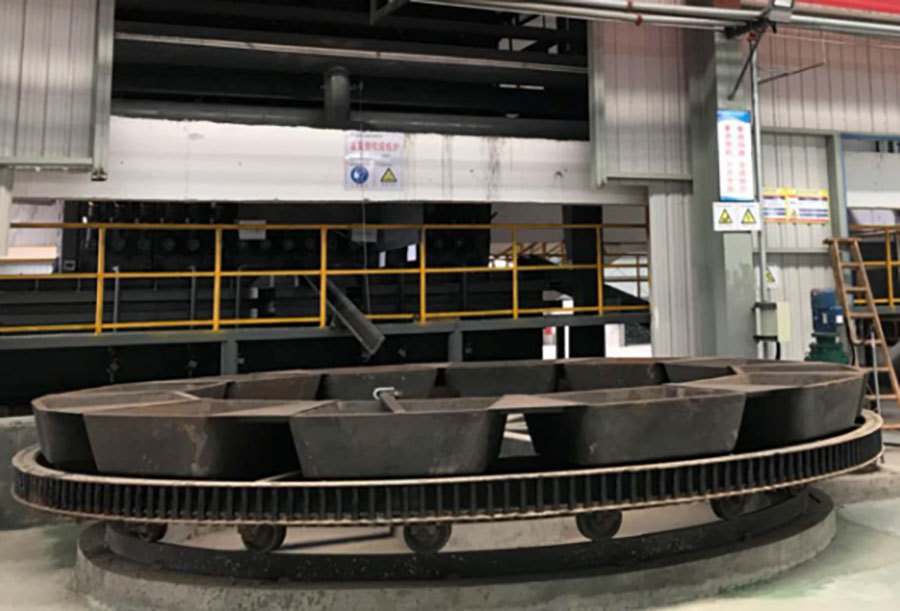
How to Optimize Your Electrolytic Lead Production Line for Maximum Output
Introduction to Electrolytic Lead Production
Electrolytic lead production is a critical process in the metallurgical industry, mainly used for recycling lead from various sources, including lead-acid batteries. The process involves electrolysis, where an electrical current is used to extract pure lead from lead oxide ores or recycled materials. To achieve maximum output, it's essential to understand the various factors that influence the efficiency of the electrolytic lead production line.
Understanding the Electrolytic Lead Production Process
Before diving into optimization techniques, it's vital to have a clear understanding of the electrolytic lead production process. This involves several key components:
The Electrolytic Cell
The electrolytic cell is at the heart of lead production. It typically consists of an anode, a cathode, and an electrolyte solution. The choice of materials and design of the electrolytic cell significantly affects the overall efficiency of lead extraction.
Raw Materials
The quality of raw materials used in the electrolytic lead production line directly impacts the output. Using high-purity lead oxide and maintaining optimal levels of other chemical compounds in the electrolyte solution can enhance production efficiency.
Operating Parameters
Key operating parameters such as temperature, current density, and pH levels must be meticulously monitored and controlled. Deviations can lead to suboptimal performance and reduced output.
Strategies for Optimizing Your Electrolytic Lead Production Line
1. Enhance Raw Material Quality
Investing in high-quality raw materials is crucial for maximizing output. Ensure that the lead oxide used is as pure as possible, as impurities can hinder the electrolysis process. Conduct regular quality checks on incoming materials to maintain high standards.
2. Optimize Electrolytic Cell Design
Review the design of your electrolytic cell. Factors such as the surface area of the electrodes, cell geometry, and material type can significantly affect efficiency. Consider upgrading to more advanced cell designs that promote better current distribution and minimize energy losses.
Invest in Advanced Electrode Materials
Using advanced materials like titanium-coated anodes can improve corrosion resistance and increase overall productivity. Evaluate the cost versus benefits of upgrading to these materials for your electrodes.
3. Control Operating Conditions Rigorously
Maintaining optimal operating parameters is essential for efficiency. Implement automated monitoring systems that provide real-time data on temperature, current density, and pH levels. This data allows for quick adjustments, maintaining ideal conditions for lead production.
Implement Temperature Control Systems
Temperature plays a vital role in electrolysis. Installing advanced heating and cooling systems can help maintain the optimal temperature range, enhancing lead recovery rates and energy efficiency.
4. Regular Maintenance and Upkeep
A well-maintained electrolytic lead production line operates more efficiently. Establish a regular maintenance schedule for all equipment, including electrolytic cells, pumps, and cooling systems. This reduces downtime and prevents unexpected failures that can disrupt production.
5. Upgrade Technology and Automation
Investing in the latest technology and automation can greatly enhance efficiency and output. Automated systems can optimize the control of operating parameters and reduce human error.
Consider Process Automation Solutions
Integrate process automation solutions that utilize IoT (Internet of Things) technology. These systems can provide predictive maintenance alerts and optimize inventory management, further streamlining operations.
6. Employee Training and Skill Development
Your workforce plays a crucial role in the success of your electrolytic lead production line. Invest in regular training programs to ensure all employees understand the processes and technologies involved. A knowledgeable workforce can identify potential issues early and propose effective solutions.
Measuring and Analyzing Output Efficiency
Key Performance Indicators (KPIs)
To effectively measure the success of your optimization strategies, establish clear KPIs related to output efficiency. Common KPIs in electrolytic lead production include:
- Lead Recovery Rate
- Energy Consumption per Ton of Lead
- Downtime and Maintenance Frequency
- Quality of Output Lead
Data Analysis for Continuous Improvement
Utilize data analytics to assess your production performance. By analyzing trends in your KPIs, you can identify areas for further improvement. Consider implementing a feedback loop that incorporates employee suggestions and performance data to continuously refine processes.
Environmental Considerations in Lead Production
As industries evolve, environmental sustainability becomes increasingly important. Optimizing your electrolytic lead production line also involves minimizing environmental impact.
Implementing Eco-Friendly Practices
Adopt practices that reduce waste and emissions. Explore options for recycling wastewater used in the electrolysis process, and ensure that all waste materials are disposed of in accordance with environmental regulations.
Invest in Cleaner Technologies
Research and implement cleaner production technologies that can further reduce the environmental footprint of your operations. These innovations may include energy recovery systems or methods to capture and reuse waste heat.
Future Trends in Electrolytic Lead Production
The landscape of electrolytic lead production is constantly evolving. Staying informed about future trends can help you remain competitive.
Emerging Technologies
Keep an eye on emerging technologies such as advanced battery recycling methods and innovations in electrode materials. These advancements could offer significant improvements in efficiency and sustainability.
Market Dynamics and Regulations
Stay updated on changes in regulations regarding lead production and environmental standards. Being proactive in adapting to these changes can safeguard your operations against potential disruptions.
Frequently Asked Questions (FAQs)
1. What is the role of the electrolyte solution in lead production?
The electrolyte solution facilitates the transfer of ions during the electrolysis process, crucial for extracting lead from its ore or recycled materials.
2. How can I improve the lead recovery rate in my production line?
Improving the quality of raw materials, optimizing operating parameters, and upgrading technology are key ways to enhance the lead recovery rate.
3. What are the benefits of automating the electrolytic lead production line?
Automation can reduce human error, improve efficiency, and enhance real-time monitoring of production parameters, leading to better overall output.
4. How often should I conduct maintenance on my electrolytic lead production equipment?
Establish a regular maintenance schedule based on usage and manufacturer recommendations, ideally conducting inspections monthly and more extensive checks quarterly.
5. What are the environmental implications of lead production?
Lead production can generate waste materials and emissions. Implementing eco-friendly practices and technologies can help mitigate these environmental impacts.
Conclusion
Optimizing your electrolytic lead production line involves a multifaceted approach that encompasses raw material quality, equipment efficiency, operational parameters, and employee training. By implementing the strategies outlined in this guide, you can significantly enhance output and efficiency while minimizing environmental impact. Continuously evaluate your production processes and stay updated with industry advancements to maintain a competitive edge in the evolving landscape of lead production. Embrace these changes, and you will position your operation as a leader in the electrolytic lead production industry.
TAG:
Contact Us
Company Email:
962452762@qq.com
Contact Number:
+8615670922562
Company Address:
No. 11 Plant, Tiantan Industrial Park, Huling Industrial Cluster, Jiyuan City

Address: No. 11 Plant, Tiantan Industrial Park, Huling Industrial Cluster, Jiyuan City

Scan with WeChat
Copyright © Xinyu Metallurgical Equipment Co., Ltd.
SAF Coolest v1.3.1.2 设置面板 GAGSE-ZGYF-JXSZE-AED
违禁词: First, best, top-notch, leading, unique, king, leader, leader, ultimate,
无数据提示
Sorry, this column is currently being updated. Please stay tuned!
You can view other columns or returnHomepage