Address: No. 11 Plant, Tiantan Industrial Park, Huling Industrial Cluster, Jiyuan City

Understanding Primary Lead Smelting Equipment: A Key Component in Lead Production
Apr 17,2026
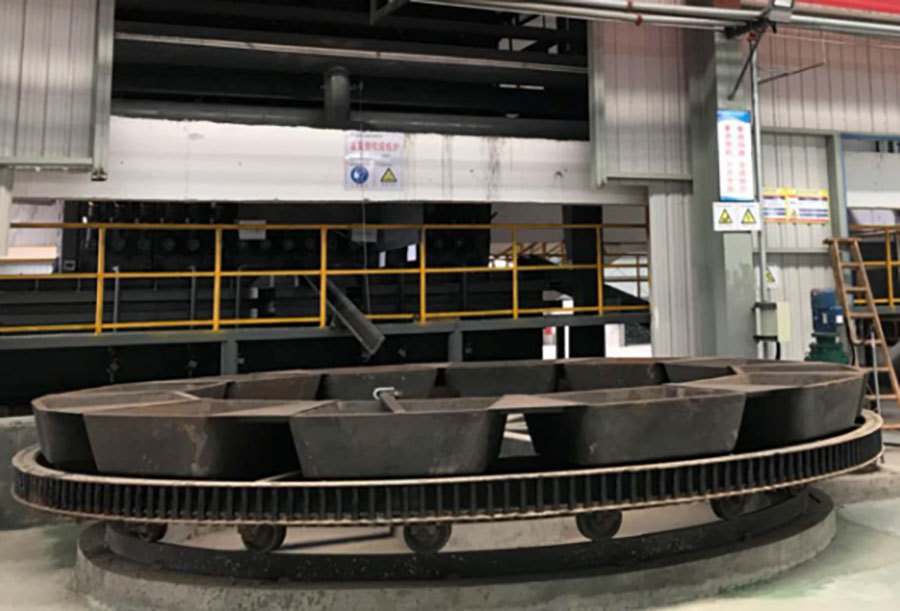
Lead smelting is a pivotal process in the metallurgy industry, transforming raw lead ores into a purer form suitable for various applications. Central to this process is primary lead smelting equipment, which plays a crucial role in the extraction and refining of lead from its ores. This equipment encompasses a range of technologies and machinery designed to facilitate the efficient melting and processing of lead-containing materials.
At the outset of the smelting process, lead ores, often containing various impurities, are subjected to high temperatures in specialized furnaces. These primary lead smelting furnaces can be classified into two main types: blast furnaces and reverberatory furnaces. Each type has its unique operational characteristics and advantages, depending on the specific requirements of the smelting operation. Blast furnaces, for instance, are known for their high efficiency and ability to process large quantities of ore, while reverberatory furnaces provide better control over temperature and the chemical environment, which can be crucial for certain types of lead ores.
The efficiency of primary lead smelting equipment not only influences the yield of lead production but also significantly impacts the environmental footprint of the smelting process. Modern smelting technologies are increasingly designed with sustainability in mind, incorporating systems to capture and recycle gases and by-products, thereby minimizing emissions and waste. Innovations such as oxygen enrichment and advanced slag handling techniques further enhance the efficiency of lead recovery while reducing the overall energy consumption of the smelting process.
Moreover, the operation of primary lead smelting equipment requires skilled personnel who are well-versed in the principles of metallurgy and the specific workings of the machinery. Training and continuous improvement are vital to ensure that operators can maximize the effectiveness of the equipment while adhering to safety and environmental regulations.
In conclusion, primary lead smelting equipment is a cornerstone of the lead production process, with its design and operation playing a significant role in the industry's efficiency and sustainability. As demand for lead continues to rise across various sectors, understanding the intricacies of this equipment becomes increasingly important for professionals in the field. By investing in the latest technologies and maintaining rigorous operational standards, businesses can enhance their lead production capabilities while contributing to a more sustainable future in metallurgy.
At the outset of the smelting process, lead ores, often containing various impurities, are subjected to high temperatures in specialized furnaces. These primary lead smelting furnaces can be classified into two main types: blast furnaces and reverberatory furnaces. Each type has its unique operational characteristics and advantages, depending on the specific requirements of the smelting operation. Blast furnaces, for instance, are known for their high efficiency and ability to process large quantities of ore, while reverberatory furnaces provide better control over temperature and the chemical environment, which can be crucial for certain types of lead ores.
The efficiency of primary lead smelting equipment not only influences the yield of lead production but also significantly impacts the environmental footprint of the smelting process. Modern smelting technologies are increasingly designed with sustainability in mind, incorporating systems to capture and recycle gases and by-products, thereby minimizing emissions and waste. Innovations such as oxygen enrichment and advanced slag handling techniques further enhance the efficiency of lead recovery while reducing the overall energy consumption of the smelting process.
Moreover, the operation of primary lead smelting equipment requires skilled personnel who are well-versed in the principles of metallurgy and the specific workings of the machinery. Training and continuous improvement are vital to ensure that operators can maximize the effectiveness of the equipment while adhering to safety and environmental regulations.
In conclusion, primary lead smelting equipment is a cornerstone of the lead production process, with its design and operation playing a significant role in the industry's efficiency and sustainability. As demand for lead continues to rise across various sectors, understanding the intricacies of this equipment becomes increasingly important for professionals in the field. By investing in the latest technologies and maintaining rigorous operational standards, businesses can enhance their lead production capabilities while contributing to a more sustainable future in metallurgy.
TAG:
Previous:
Contact Us
Company Email:
962452762@qq.com
Contact Number:
+8615670922562
Company Address:
No. 11 Plant, Tiantan Industrial Park, Huling Industrial Cluster, Jiyuan City

Address: No. 11 Plant, Tiantan Industrial Park, Huling Industrial Cluster, Jiyuan City

Scan with WeChat
Copyright © Xinyu Metallurgical Equipment Co., Ltd.
SAF Coolest v1.3.1.2 设置面板 GAGSE-ZGYF-JXSZE-AED
违禁词: First, best, top-notch, leading, unique, king, leader, leader, ultimate,
无数据提示
Sorry, this column is currently being updated. Please stay tuned!
You can view other columns or returnHomepage