Address: No. 11 Plant, Tiantan Industrial Park, Huling Industrial Cluster, Jiyuan City

Understanding Furnaces for Metal Smelting: Essential Insights for Industrial Professionals
Apr 11,2026
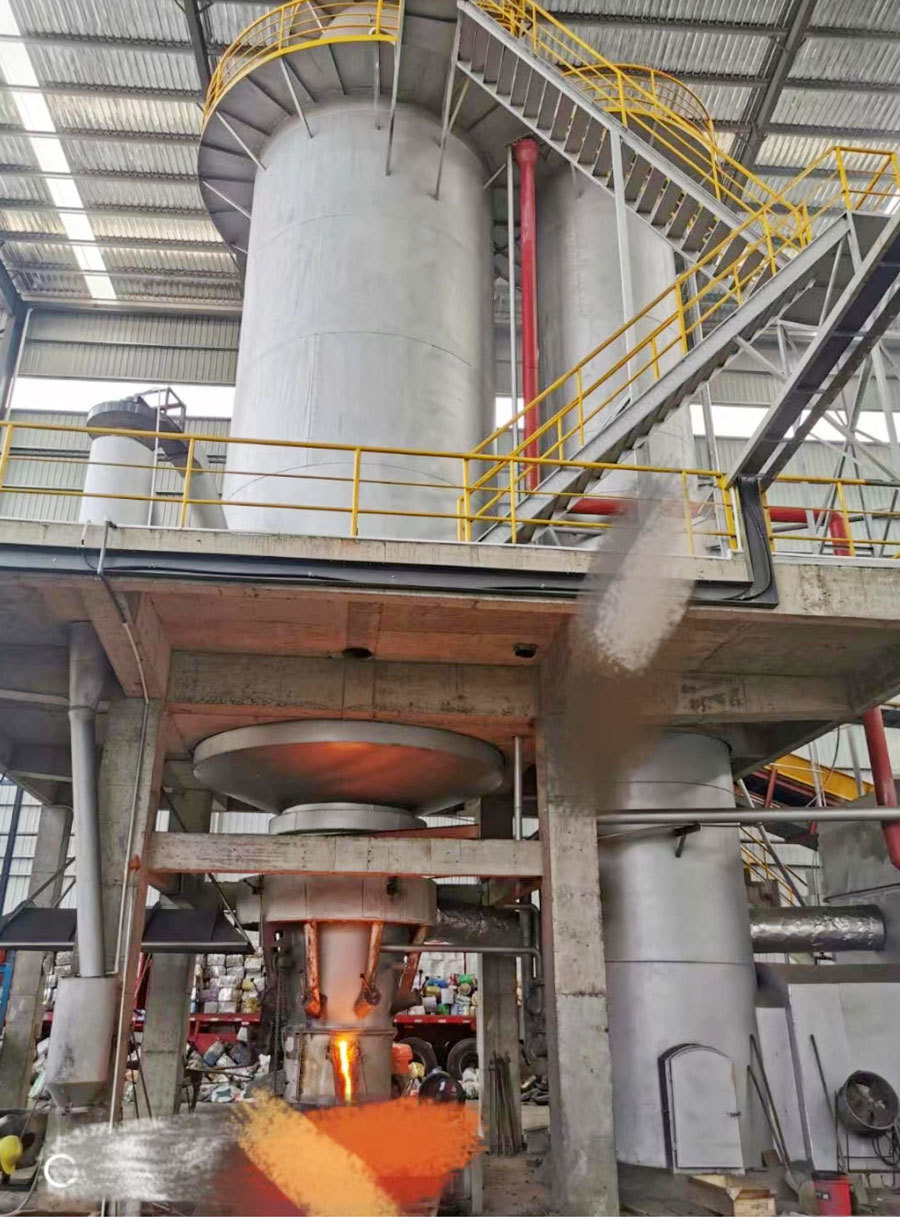
Furnaces for metal smelting are crucial components in the metallurgical industry, facilitating the extraction of metals from their ores by using high temperatures. Understanding the types and functions of these furnaces can enhance operational efficiency and product quality in metal production.
There are several types of furnaces used in metal smelting, each serving a specific purpose and operating on different principles. The most common types include blast furnaces, electric arc furnaces, induction furnaces, and cupola furnaces. Each furnace type has its own unique advantages and applications, depending on the metal being smelted and the desired production scale.
Blast furnaces, for instance, are primarily used for smelting iron ore into pig iron. They operate on the principle of combustion, using coke as a fuel source to reach high temperatures necessary for the reduction of iron oxides. In contrast, electric arc furnaces are more versatile, allowing for the melting of scrap steel and other metals through powerful electric arcs. This method is highly efficient and environmentally friendly compared to traditional smelting processes.
Induction furnaces utilize electromagnetic induction to generate heat, making them ideal for melting non-ferrous metals like aluminum and copper. Their ability to provide precise control over temperature and heating rates makes induction furnaces a popular choice in many modern foundries. Cupola furnaces, on the other hand, are traditionally used for melting cast iron, relying on a continuous feed of charge materials and coke for fuel.
The operation of a furnace for metal smelting involves careful consideration of several factors, including temperature control, furnace lining materials, and the type of charge materials. Proper temperature regulation is essential to achieve the desired metallurgical properties in the final product. Additionally, the choice of refractory materials for furnace linings is critical, as they must withstand extreme temperatures and corrosive environments.
Furthermore, advancements in furnace technology are continually evolving, with innovations aimed at improving energy efficiency and reducing emissions. Modern furnaces are increasingly incorporating automation and monitoring systems to enhance operational control and reduce downtime.
In conclusion, furnaces for metal smelting play an integral role in the production of metals, impacting both efficiency and output quality. Understanding the different types, operational principles, and technological advancements in furnace design is essential for industrial professionals seeking to optimize their metal smelting processes. By staying informed about these aspects, you can enhance your production capabilities and stay competitive in the fast-paced industrial landscape.
There are several types of furnaces used in metal smelting, each serving a specific purpose and operating on different principles. The most common types include blast furnaces, electric arc furnaces, induction furnaces, and cupola furnaces. Each furnace type has its own unique advantages and applications, depending on the metal being smelted and the desired production scale.
Blast furnaces, for instance, are primarily used for smelting iron ore into pig iron. They operate on the principle of combustion, using coke as a fuel source to reach high temperatures necessary for the reduction of iron oxides. In contrast, electric arc furnaces are more versatile, allowing for the melting of scrap steel and other metals through powerful electric arcs. This method is highly efficient and environmentally friendly compared to traditional smelting processes.
Induction furnaces utilize electromagnetic induction to generate heat, making them ideal for melting non-ferrous metals like aluminum and copper. Their ability to provide precise control over temperature and heating rates makes induction furnaces a popular choice in many modern foundries. Cupola furnaces, on the other hand, are traditionally used for melting cast iron, relying on a continuous feed of charge materials and coke for fuel.
The operation of a furnace for metal smelting involves careful consideration of several factors, including temperature control, furnace lining materials, and the type of charge materials. Proper temperature regulation is essential to achieve the desired metallurgical properties in the final product. Additionally, the choice of refractory materials for furnace linings is critical, as they must withstand extreme temperatures and corrosive environments.
Furthermore, advancements in furnace technology are continually evolving, with innovations aimed at improving energy efficiency and reducing emissions. Modern furnaces are increasingly incorporating automation and monitoring systems to enhance operational control and reduce downtime.
In conclusion, furnaces for metal smelting play an integral role in the production of metals, impacting both efficiency and output quality. Understanding the different types, operational principles, and technological advancements in furnace design is essential for industrial professionals seeking to optimize their metal smelting processes. By staying informed about these aspects, you can enhance your production capabilities and stay competitive in the fast-paced industrial landscape.
TAG:
Contact Us
Company Email:
962452762@qq.com
Contact Number:
+8615670922562
Company Address:
No. 11 Plant, Tiantan Industrial Park, Huling Industrial Cluster, Jiyuan City

Address: No. 11 Plant, Tiantan Industrial Park, Huling Industrial Cluster, Jiyuan City

Scan with WeChat
Copyright © Xinyu Metallurgical Equipment Co., Ltd.
SAF Coolest v1.3.1.2 设置面板 GAGSE-ZGYF-JXSZE-AED
违禁词: First, best, top-notch, leading, unique, king, leader, leader, ultimate,
无数据提示
Sorry, this column is currently being updated. Please stay tuned!
You can view other columns or returnHomepage