Address: No. 11 Plant, Tiantan Industrial Park, Huling Industrial Cluster, Jiyuan City

Understanding Regulatory Compliance for Metal Refining Equipment: A Comprehensive Guide
Mar 03,2026
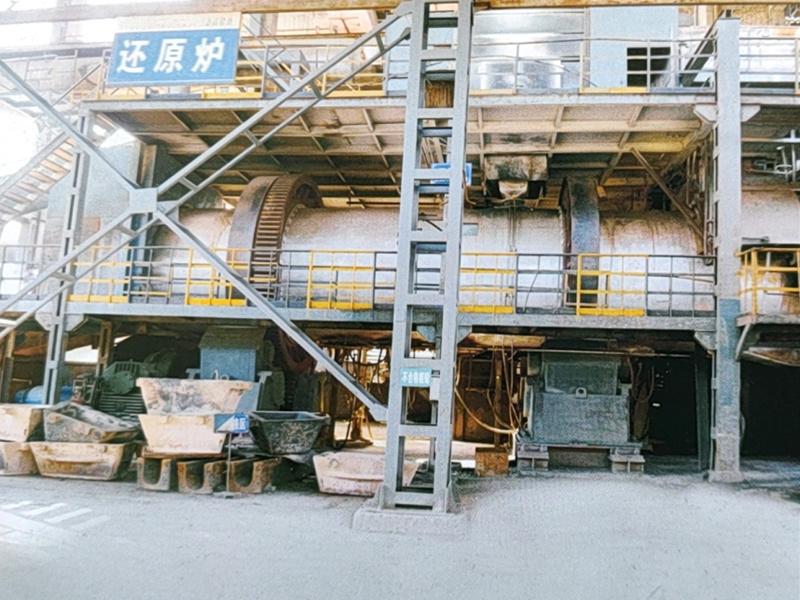
Understanding Regulatory Compliance for Metal Refining Equipment
Table of Contents
- Introduction to Metal Refining Compliance
- Importance of Compliance in Metal Refining
- Key Regulatory Frameworks Governing Metal Refining
- The Compliance Process for Metal Refining Equipment
- Benefits of Adhering to Compliance Regulations
- Common Compliance Issues in Metal Refining
- The Future of Regulatory Compliance in Metal Refining
- Conclusion
- FAQs
Introduction to Metal Refining Compliance
The metal refining industry plays a crucial role in the global economy, responsible for extracting valuable metals from ores and recycled materials. However, this process is heavily governed by a myriad of regulations designed to protect the environment, ensure worker safety, and maintain industry integrity. Understanding regulatory compliance for metal refining equipment is essential for businesses aiming to operate efficiently and sustainably while avoiding legal pitfalls.
Importance of Compliance in Metal Refining
Compliance is not merely a bureaucratic hurdle; it is fundamental to the longevity and reputation of metal refining businesses. Regulatory adherence can lead to:
- **Enhanced Safety**: Protecting employees from hazardous materials and processes.
- **Environmental Protection**: Reducing the impact of refining activities on local ecosystems.
- **Operational Efficiency**: Streamlining processes to meet compliance can often lead to enhanced productivity and reduced costs.
- **Market Competitiveness**: Companies that prioritize compliance are more likely to gain trust and preference among clients and stakeholders.
Key Regulatory Frameworks Governing Metal Refining
Navigating the regulatory landscape can be complex, with regulations varying by country and region. Here, we outline some of the key frameworks that govern metal refining operations.
Environmental Regulations
Environmental regulations are designed to mitigate the ecological impact of refining activities. Key components include:
- **Air Quality Standards**: Companies must adhere to limits on emissions of volatile organic compounds (VOCs) and other pollutants.
- **Waste Management Protocols**: Proper disposal and treatment of hazardous waste generated during the refining process are mandated.
- **Water Quality Regulations**: Discharges into waterways are strictly controlled to protect aquatic life and human health.
Staying informed about local and international environmental regulations is essential for compliance.
Safety Standards
Safety standards focus on protecting workers and ensuring safe operational practices. Important regulations include:
- **Occupational Safety and Health Administration (OSHA)**: Guidelines concerning worker safety, including exposure limits to harmful substances.
- **Personal Protective Equipment (PPE) Regulations**: Requirements for protective gear and training to minimize workplace injuries.
Adhering to these standards not only protects employees but also minimizes the risk of costly accidents.
Industry Standards and Best Practices
In addition to governmental regulations, various industry standards provide frameworks for operational excellence. These may include:
- **ISO Certifications**: International Organization for Standardization (ISO) certifications can enhance credibility and demonstrate commitment to quality and safety.
- **Lean Manufacturing Principles**: Implementing lean practices can lead to waste reduction and improved compliance through efficient processes.
Aligning operational practices with these standards can foster a culture of compliance and continuous improvement.
The Compliance Process for Metal Refining Equipment
Achieving compliance is a systematic process involving several steps.
Assessing Compliance Needs
The first step in the compliance journey is conducting a comprehensive assessment of existing operations against applicable regulations. This involves:
- **Identifying Applicable Regulations**: Understanding which local, national, and international regulations impact your operations.
- **Conducting Risk Assessments**: Evaluating potential compliance risks related to equipment, processes, and materials used in refining.
A thorough assessment helps to pinpoint areas needing attention and allows for a targeted compliance strategy.
Implementing Compliance Strategies
Once compliance needs have been identified, the next step is to implement effective strategies, including:
- **Training and Education**: Regular training programs for employees on compliance requirements and safe operational practices.
- **Regular Audits and Inspections**: Conducting routine checks to ensure ongoing adherence to regulations.
- **Documentation and Record-Keeping**: Maintaining thorough records of compliance-related activities, which can be critical during audits or inspections.
Establishing a culture of compliance within the organization ensures that all employees are invested in maintaining adherence to regulations.
Benefits of Adhering to Compliance Regulations
The benefits of maintaining regulatory compliance extend beyond avoiding fines and legal repercussions. Key advantages include:
- **Enhanced Reputation**: A strong compliance record boosts credibility and can attract clients who prioritize responsible sourcing.
- **Operational Resilience**: Compliant operations are often more resilient to regulatory changes, minimizing disruptions.
- **Financial Savings**: Reducing waste and improving efficiency can lead to significant cost savings in the long run.
Ultimately, compliance is a strategic advantage that can contribute to long-term success.
Common Compliance Issues in Metal Refining
Despite best efforts, companies may encounter common compliance challenges, such as:
- **Inadequate Training**: Failing to properly educate staff can lead to non-compliance and safety incidents.
- **Insufficient Documentation**: Lack of proper records can hinder compliance audits and lead to penalties.
- **Failure to Adapt**: Regulatory changes require businesses to be nimble and quick to adapt their processes. Falling behind can result in non-compliance.
Proactively addressing these challenges can help maintain compliance and enhance operational integrity.
The Future of Regulatory Compliance in Metal Refining
As the regulatory landscape continues to evolve, businesses must stay abreast of emerging trends, including:
- **Increased Focus on Sustainability**: Regulations are increasingly targeting sustainability practices within the metal refining sector.
- **Technological Advancements**: Innovations such as automation and AI-driven compliance tools can help streamline adherence to regulations.
- **Stricter Enforcement**: Governments are likely to increase enforcement efforts, making compliance more crucial than ever.
Staying informed and adapting to these changes is essential for future compliance success.
Conclusion
Understanding regulatory compliance for metal refining equipment is a multifaceted challenge that requires vigilance, commitment, and continuous improvement. By embracing compliance not just as a legal obligation but as a cornerstone of operational excellence, businesses can protect their workforce, preserve the environment, and position themselves for long-term success in a competitive market.
FAQs
1. What are the main regulatory bodies governing metal refining compliance?
The main regulatory bodies include the Environmental Protection Agency (EPA), Occupational Safety and Health Administration (OSHA), and various local environmental agencies.
2. What are the consequences of non-compliance in metal refining?
Consequences may include hefty fines, legal action, operational shutdowns, and damage to company reputation.
3. How often should compliance audits be conducted?
Compliance audits should be conducted regularly, typically annually or semi-annually, depending on the regulatory requirements specific to the operations.
4. What steps can companies take to improve compliance?
Companies can improve compliance by investing in employee training, enhancing documentation practices, and utilizing technology for monitoring and reporting.
5. How can emerging technologies aid in compliance for metal refining?
Emerging technologies, such as AI and data analytics, can help streamline compliance processes, improve monitoring, and provide insights for proactive compliance management.
TAG:
Contact Us
Company Email:
962452762@qq.com
Contact Number:
+8615670922562
Company Address:
No. 11 Plant, Tiantan Industrial Park, Huling Industrial Cluster, Jiyuan City

Address: No. 11 Plant, Tiantan Industrial Park, Huling Industrial Cluster, Jiyuan City

Scan with WeChat
Copyright © Xinyu Metallurgical Equipment Co., Ltd.
SAF Coolest v1.3.1.2 设置面板 GAGSE-ZGYF-JXSZE-AED
违禁词: First, best, top-notch, leading, unique, king, leader, leader, ultimate,
无数据提示
Sorry, this column is currently being updated. Please stay tuned!
You can view other columns or returnHomepage