Address: No. 11 Plant, Tiantan Industrial Park, Huling Industrial Cluster, Jiyuan City

The Crucial Role of Quality Control in Optimizing Lead Smelting Operations
Feb 19,2026
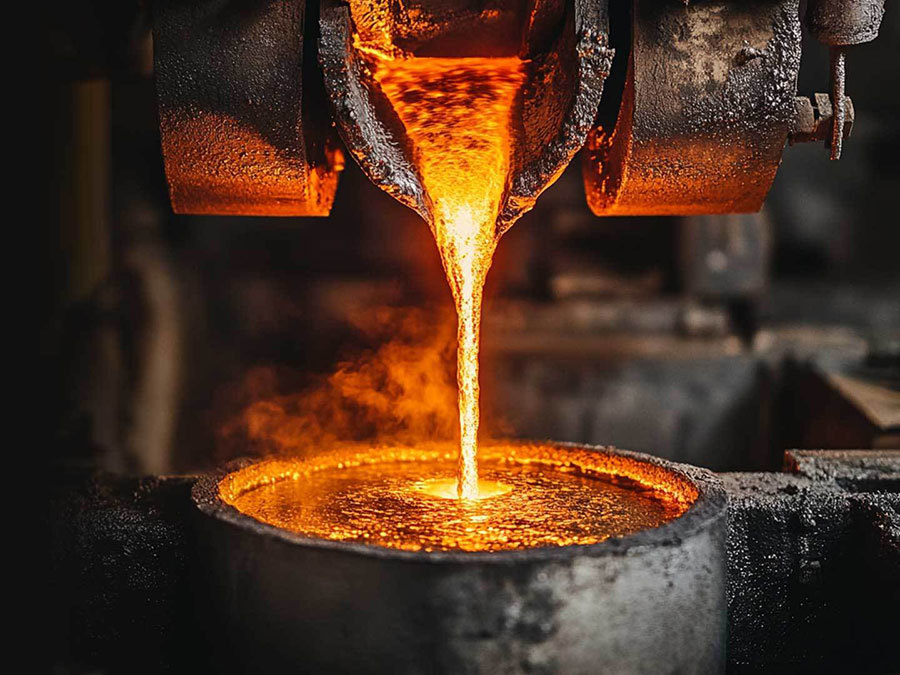
The Crucial Role of Quality Control in Optimizing Lead Smelting Operations
Table of Contents
1. Introduction to Lead Smelting and Quality Control
2. Understanding the Lead Smelting Process
3. The Importance of Quality Control in Lead Smelting
- 3.1 Benefits of Effective Quality Control
4. Key Quality Control Techniques in Lead Smelting
- 4.1 Regular Inspections and Testing
- 4.2 Process Monitoring and Control Systems
5. Quality Manufacturing Standards in Lead Smelting
6. Case Studies Highlighting Quality Control Success
7. Challenges in Implementing Quality Control
8. The Future of Quality Control in Lead Smelting
9. Conclusion
10. Frequently Asked Questions
Introduction to Lead Smelting and Quality Control
In the realm of industrial manufacturing, particularly within lead smelting operations, quality control stands as a pillar of success. As industries grapple with the challenges of efficiency, safety, and product integrity, the importance of implementing rigorous quality control measures becomes increasingly evident. This article delves into the critical aspects of quality control within a complete lead smelting line, exploring its significance, techniques, and future trends.
Understanding the Lead Smelting Process
Lead smelting is a complex process that involves extracting lead from its ore, which is typically galena (PbS). The process encompasses several stages, including roasting, smelting, and refining. Each phase is crucial, as the quality of the final product hinges on meticulous execution and control.
The typical stages of lead smelting include:
- **Roasting**: In this initial stage, lead ore is heated in the presence of oxygen, converting sulfides into oxides.
- **Smelting**: The roasted product is mixed with fluxes and heated to separate lead from impurities.
- **Refining**: The molten lead undergoes further purification to achieve the desired grade.
Understanding the entire smelting process is essential to appreciate the role that quality control plays in ensuring optimal outcomes.
The Importance of Quality Control in Lead Smelting
Quality control in lead smelting is not just a regulatory requirement; it is a strategic imperative. The consequences of neglecting quality control can be dire, leading to defective products, increased waste, and potential environmental hazards.
Benefits of Effective Quality Control
Implementing robust quality control measures yields numerous benefits, including:
- **Enhanced Product Quality**: Consistent monitoring ensures that the final product meets pre-defined specifications.
- **Operational Efficiency**: Streamlined processes reduce downtime and waste, leading to cost savings.
- **Regulatory Compliance**: Adhering to industry standards helps avoid legal issues and fines.
- **Safety Assurance**: Quality control practices help identify and mitigate risks associated with hazardous materials.
Key Quality Control Techniques in Lead Smelting
To maintain high-quality standards in lead smelting, several techniques can be employed. These techniques are critical in detecting and addressing potential issues before they escalate.
Regular Inspections and Testing
Routine inspections and material testing play a fundamental role in quality assurance. This includes:
- **Raw Material Inspection**: Evaluating the quality of incoming ores and additives.
- **Process Sampling**: Periodic sampling at different stages to monitor composition.
- **Final Product Testing**: Rigorous testing of the output against specifications.
Process Monitoring and Control Systems
Advanced monitoring systems provide real-time data on various parameters, enhancing the ability to control the smelting process. Key components include:
- **Automated Control Systems**: Technologies that automatically adjust variables to optimize output.
- **Data Analytics**: Utilizing data to identify trends and anomalies for proactive management.
Quality Manufacturing Standards in Lead Smelting
Adhering to established quality standards such as ISO 9001 and industry-specific regulations is crucial. Compliance with these standards not only ensures product quality but also enhances the reputation of the manufacturing facility. These standards provide a framework for continuous improvement and customer satisfaction.
Case Studies Highlighting Quality Control Success
Examining real-world applications of quality control in lead smelting can provide valuable insights. Several companies have successfully implemented quality control measures that led to remarkable improvements:
- **Company A**: By integrating automated monitoring systems, Company A reduced production defects by 30% over a year.
- **Company B**: After adopting rigorous testing protocols, Company B achieved a significant decrease in environmental incidents related to lead contamination.
Challenges in Implementing Quality Control
Despite its importance, several challenges can hinder the effective implementation of quality control in lead smelting:
- **Resource Limitations**: Smaller operations may lack the capital for sophisticated quality systems.
- **Resistance to Change**: Employees may be hesitant to adapt to new protocols and technologies.
- **Compliance Complexity**: Navigating the multitude of regulations can be daunting.
The Future of Quality Control in Lead Smelting
As technology advances, the future of quality control in lead smelting looks promising. Innovations such as artificial intelligence and machine learning are poised to revolutionize quality assurance practices. These technologies can enable predictive analytics, allowing for early detection of potential issues and further optimizing production efficiency.
Moreover, an increased focus on sustainability is shaping quality control practices. Companies are now prioritizing eco-friendly methods and materials to align with global sustainability goals.
Conclusion
The significance of quality control in a complete lead smelting line cannot be overstated. With its profound impact on product quality, operational efficiency, and compliance, effective quality control is essential for successful lead smelting operations. By adopting advanced techniques and maintaining rigorous standards, manufacturers can not only meet but exceed expectations, paving the way for a sustainable and successful future.
Frequently Asked Questions
1. What are the main stages of the lead smelting process?
The main stages include roasting, smelting, and refining, each crucial for extracting lead from its ore.
2. How does quality control affect lead smelting?
Quality control ensures that the final product meets specifications, enhances operational efficiency, and ensures regulatory compliance.
3. What are some common quality control techniques used in lead smelting?
Some techniques include regular inspections, process monitoring, and testing of raw materials and final products.
4. What challenges face the implementation of quality control in lead smelting?
Challenges include resource limitations, resistance to change, and navigating complex compliance regulations.
5. How is technology shaping the future of quality control in lead smelting?
Technological advancements such as AI and machine learning are enabling predictive analytics and enhancing quality assurance practices in lead smelting.
Incorporating quality control measures is not merely an operational necessity but a pathway to achieving excellence in lead smelting processes. As industries evolve, maintaining a focus on quality will remain paramount for success.
TAG:
Contact Us
Company Email:
962452762@qq.com
Contact Number:
+8615670922562
Company Address:
No. 11 Plant, Tiantan Industrial Park, Huling Industrial Cluster, Jiyuan City

Address: No. 11 Plant, Tiantan Industrial Park, Huling Industrial Cluster, Jiyuan City

Scan with WeChat
Copyright © Xinyu Metallurgical Equipment Co., Ltd.
SAF Coolest v1.3.1.2 设置面板 GAGSE-ZGYF-JXSZE-AED
违禁词: First, best, top-notch, leading, unique, king, leader, leader, ultimate,
无数据提示
Sorry, this column is currently being updated. Please stay tuned!
You can view other columns or returnHomepage