Address: No. 11 Plant, Tiantan Industrial Park, Huling Industrial Cluster, Jiyuan City

Top Features to Look for in Lead Alloy Melting Equipment: A Comprehensive Guide
Oct 30,2025
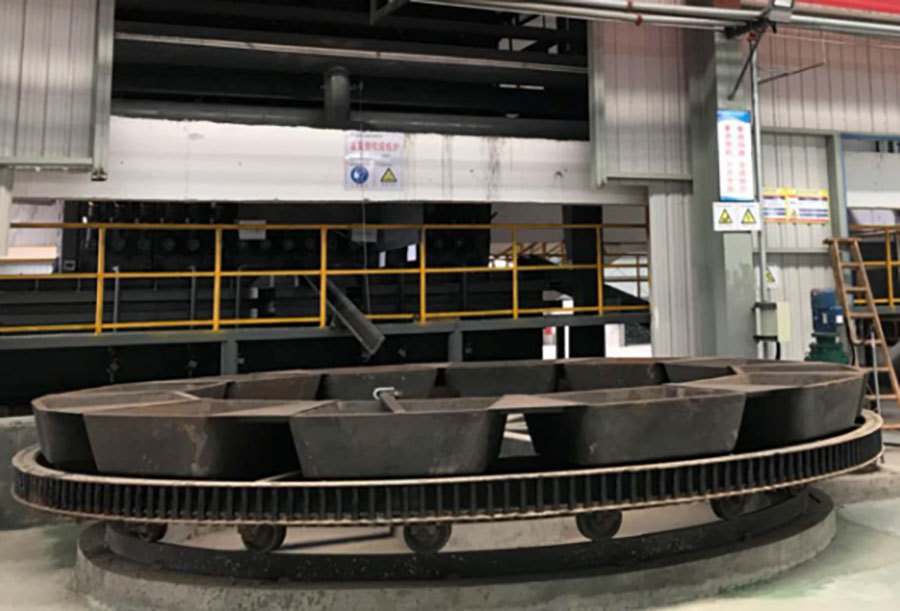
Top Features to Look for in Lead Alloy Melting Equipment
Lead alloy melting is a critical process within various industrial applications, making the choice of melting equipment paramount. With a wide range of options available, understanding the features that contribute to effective performance, safety, and efficiency is crucial. In this comprehensive guide, we explore the key attributes that should influence your decision when investing in lead alloy melting equipment.
1. Understanding Lead Alloy Melting Equipment
Lead alloy melting equipment is designed to melt lead and its alloys for various industrial applications, including battery manufacturing, radiation shielding, and soldering. The efficiency of this equipment directly impacts production, safety, and overall operational costs.
2. Key Features to Consider
When selecting the right lead alloy melting equipment, the following features should be prioritized:
2.1 Temperature Control
**Accurate temperature control** is vital in lead melting processes. Look for systems that offer precise digital temperature monitoring and control features. The ideal equipment should maintain a temperature range between **300°C to 400°C**, suitable for lead alloys.
2.2 Heating Methods
Different heating methods can significantly influence the melting process. Common methods include:
- **Induction Heating:** Provides rapid heating and efficient energy use.
- **Gas or Electric Furnaces:** These are traditional methods with varying levels of efficiency.
Each method comes with its pros and cons; therefore, understanding your specific operational requirements is essential.
2.3 Melting Capacity
The **melting capacity** of the equipment should align with your production needs. Determine the volume of lead alloy you need to melt hourly or daily, and select equipment that meets or exceeds that requirement. Equipment is typically measured in kilograms or tons per hour.
2.4 Efficiency and Energy Consumption
**Energy efficiency** is a critical factor in reducing operational costs. Look for units with high thermal efficiency ratings. Investing in energy-efficient melting equipment can yield significant long-term savings.
2.5 Safety Features
Given the hazardous nature of lead, safety features are paramount. Essential safety features include:
- **Emergency shut-off valves** to prevent accidents in case of overheating.
- **Automatic temperature controls** to minimize the risk of thermal runaway.
- **Ventilation systems** to manage fumes and ensure operator safety.
Evaluate the safety certifications of the equipment, such as **ISO or CE** standards.
2.6 Material Composition
The **material composition** of the melting chamber plays a significant role in durability and resistance to corrosion. Look for equipment made from high-grade steel or other resistant materials that can withstand prolonged exposure to high temperatures and corrosive materials.
2.7 User-Friendly Interface
A **user-friendly control panel** allows operators to adjust settings easily and monitor the melting process. Look for features like:
- **Touchscreen controls**
- **Programmable settings** for different alloys
- **Real-time data tracking**
2.8 Maintenance and Support
Regular maintenance is crucial for longevity and performance efficiency. Check the manufacturer’s recommendations for maintenance intervals and the availability of **spare parts**. Quality manufacturers often provide excellent customer support and detailed manuals.
3. The Importance of Customization
Every industrial operation has unique requirements. Therefore, the ability to **customize melting equipment** can be a game-changer. Consider equipment that can be tailored in terms of size, heating methods, and control systems to suit specific operational needs.
3.1 Modular Designs
Modular designs allow for upgrades and modifications over time, making it easier to adapt to evolving industry standards or workflow changes. This flexibility can significantly extend the lifespan of your investment.
3.2 Specialized Applications
If your operation involves specialized alloys or specific melting processes, ensure the equipment can be modified to handle those unique requirements without compromising efficiency or safety.
4. Cost Considerations
While cost is a vital factor, it should not be the sole criterion for decision-making. Weigh the initial investment against long-term operational costs, including energy consumption, maintenance, and efficiency.
4.1 Initial Investment vs. Long-Term Savings
Opting for cheaper equipment may lead to higher costs in maintenance and energy expenditure. Assess the total cost of ownership (TCO) to make an informed decision.
4.2 Financing Options
Many manufacturers offer financing plans to help businesses manage upfront costs. Explore different payment options and inquire about lease-to-own programs or financing through third-party providers.
5. Evaluating Vendor Reputation
Choosing a reputable vendor can significantly influence your equipment's performance and longevity. Look for vendors with:
- Positive customer reviews
- Established track records in the industry
- Transparency regarding warranty and support policies
5.1 Customer Testimonials
Seek out testimonials and case studies from other businesses that have used the equipment. Real-world applications and experiences often provide valuable insights into performance and reliability.
5.2 After-Sales Support
Robust after-sales support can be a lifesaver. Ensure the vendor provides ample training, technical assistance, and readily available spare parts.
6. Environmental Considerations
As industries move towards more sustainable practices, consider the **environmental impact** of your melting equipment. Features that enhance energy efficiency and minimize emissions are increasingly important. Look for:
- Equipment that meets environmental regulations
- Features designed to reduce waste and optimize resource use
7. Frequently Asked Questions (FAQs)
7.1 What is the ideal temperature for melting lead alloys?
The ideal melting temperature for lead alloys typically ranges from **300°C to 400°C**, depending on the specific alloy composition.
7.2 How often should lead alloy melting equipment be maintained?
Maintenance schedules can vary based on usage, but regular inspections should be conducted at least **every six months** to ensure safety and efficiency.
7.3 Can lead alloy melting equipment be customized?
Yes, many manufacturers offer customizable options to tailor equipment to specific application needs or operational workflows.
7.4 What safety features are essential in melting equipment?
Essential safety features include **emergency shut-off valves, automatic temperature controls,** and efficient ventilation systems to safeguard operators.
7.5 How can I reduce energy consumption in lead melting processes?
Investing in energy-efficient equipment and implementing best practices, such as maintaining optimal temperature levels and regular maintenance, can help reduce energy consumption significantly.
8. Conclusion
In the selection of lead alloy melting equipment, several critical features must be considered to ensure efficiency, safety, and cost-effectiveness. From accurate temperature control to customizable options, each feature plays a vital role in optimizing the melting process. By investing in high-quality equipment and partnering with reputable vendors, businesses can enhance their production capabilities while minimizing risks. Prioritize your specific operational needs, and remain mindful of the long-term implications of your investment. Equip your facility for success by making informed decisions regarding lead alloy melting equipment.
TAG:
Contact Us
Company Email:
962452762@qq.com
Contact Number:
+8615670922562
Company Address:
No. 11 Plant, Tiantan Industrial Park, Huling Industrial Cluster, Jiyuan City

Address: No. 11 Plant, Tiantan Industrial Park, Huling Industrial Cluster, Jiyuan City

Scan with WeChat
Copyright © Xinyu Metallurgical Equipment Co., Ltd.
SAF Coolest v1.3.1.2 设置面板 GAGSE-ZGYF-JXSZE-AED
违禁词: First, best, top-notch, leading, unique, king, leader, leader, ultimate,
无数据提示
Sorry, this column is currently being updated. Please stay tuned!
You can view other columns or returnHomepage