Address: No. 11 Plant, Tiantan Industrial Park, Huling Industrial Cluster, Jiyuan City

Maximizing Production: How an Industrial Lead Processing Line Enhances Smelting Operations
Oct 24,2025
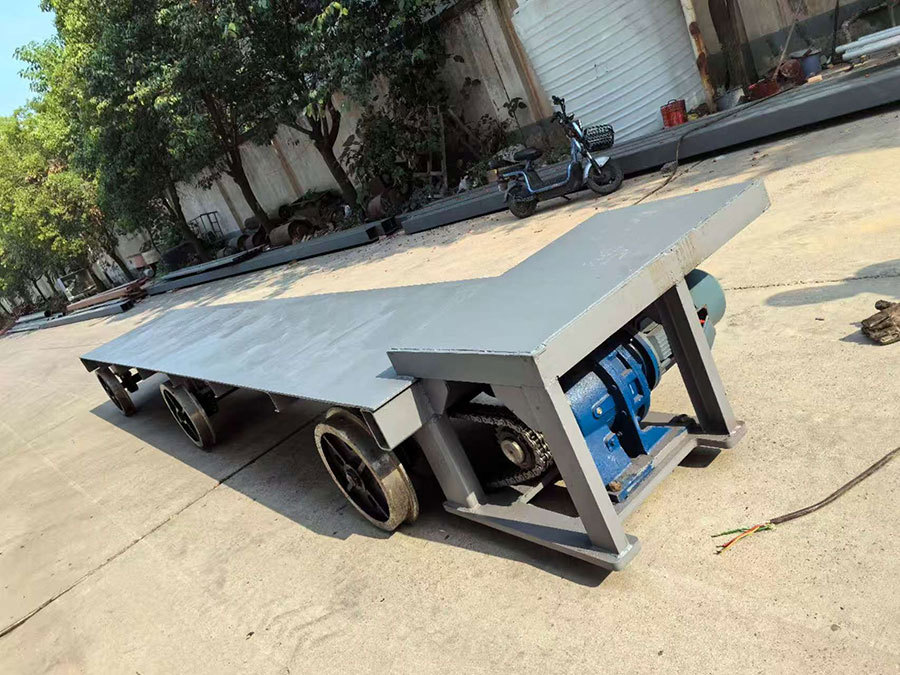
Maximizing Production: How an Industrial Lead Processing Line Enhances Smelting Operations
Introduction to Lead Smelting and Processing Lines
Lead smelting is a complex process that requires careful management of raw materials and energy consumption. The introduction of an industrial lead processing line has revolutionized this sector, providing enhanced efficiency, productivity, and sustainability. By integrating advanced technologies and optimizing workflows, businesses can significantly maximize their production output.
The Importance of Lead in Modern Industry
Lead is a versatile metal used in various applications, from batteries and radiation shielding to pigments and solders. Understanding the demand for lead in modern industry helps us appreciate the critical role of smelting operations in meeting these needs. As industries evolve, optimizing lead production becomes paramount for maintaining a competitive edge.
Understanding the Lead Smelting Process
The lead smelting process involves several key stages:
- **Roasting**: This initial stage involves heating lead-containing ores to remove impurities.
- **Smelting**: The roasted material undergoes smelting to extract lead, which is then separated from slag.
- **Refining**: The lead obtained is further refined to achieve the desired purity.
Each of these stages can be optimized through an industrial lead processing line, enhancing overall efficiency and output.
What is an Industrial Lead Processing Line?
An industrial lead processing line encompasses the complete set of machinery and processes needed for lead smelting. It integrates the latest technological advancements into a cohesive workflow designed to optimize production. Key components of the processing line include:
- **Conveyors**: For efficient material handling.
- **Furnaces**: Advanced smelting furnaces with better energy efficiency.
- **Cooling Systems**: For temperature control during and after smelting.
- **Emission Control Systems**: To adhere to environmental regulations.
Enhancing Efficiency with Automation and Technology
The modern industrial lead processing line leverages automation and advanced technology to streamline operations. This not only boosts efficiency but also reduces human error and operational costs.
Automation in Lead Processing
Automation plays a crucial role in modern lead processing lines. By utilizing robotics and automated systems, companies can:
- **Monitor Processes**: Real-time data allows for immediate adjustments, optimizing efficiency.
- **Reduce Labor Costs**: Fewer manual interventions lead to significant cost savings.
- **Enhance Safety**: Automating hazardous tasks minimizes the risk to human workers.
Advanced Technology and Its Impact
The integration of advanced technologies, such as artificial intelligence and machine learning, allows for predictive analytics in the smelting process. This can result in:
- **Higher Yield**: Enhanced process control leads to superior output.
- **Energy Savings**: Smart systems optimize energy consumption, leading to reduced operational costs.
- **Improved Quality**: Monitoring and adjusting variables in real-time ensures high-quality lead production.
Sustainability and Environmental Considerations
Sustainability is a pressing concern in the lead smelting industry, and modern processing lines are designed with this in mind.
Reducing Environmental Impact
An effective industrial lead processing line incorporates systems that minimize emissions and waste. This includes:
- **Advanced Filtration Systems**: To capture harmful particles before release into the atmosphere.
- **Recycling**: Implementing processes to recycle lead from spent products reduces the need for raw materials.
Meeting Regulatory Standards
With increasing environmental regulations, it is critical for smelting operations to comply. Modern lead processing lines are equipped with:
- **Emission Monitoring Systems**: To ensure adherence to local and international standards.
- **Efficient Waste Management**: Systems to handle by-products responsibly.
Maximizing Production Through Optimal Resource Management
Effective resource management is vital for maximizing production in lead smelting operations.
Raw Material Efficiency
Utilizing high-grade raw materials can significantly enhance lead recovery rates. The processing line should be designed to accommodate various types of ores, ensuring flexibility and adaptability in sourcing.
Energy Management
Energy costs represent a significant portion of smelting operations. Implementing energy-efficient technologies and practices can lead to:
- **Cost Reduction**: Lower energy consumption translates to reduced operational costs.
- **Enhanced Production**: More efficient energy use contributes to higher output.
Case Studies: Successful Implementations of Lead Processing Lines
Examining successful case studies can provide valuable insights into the benefits of industrial lead processing lines.
Case Study 1: Efficiency Gains in a Leading Smelting Facility
A prominent lead smelting facility implemented an advanced processing line that resulted in a 30% increase in production within the first year. Key factors included automation and improved energy management.
Case Study 2: Environmental Compliance and Sustainability
Another facility focused on sustainability by upgrading its processing line to include state-of-the-art emission control systems. This not only met regulatory requirements but also enhanced the company’s reputation as an environmentally responsible business.
Frequently Asked Questions (FAQs)
1. What is the primary function of an industrial lead processing line?
The primary function of an industrial lead processing line is to streamline and optimize the smelting process, enhancing efficiency and production output.
2. How can automation improve lead production?
Automation improves lead production by reducing human error, increasing processing speed, and enabling real-time monitoring for optimal performance.
3. What are the environmental benefits of modern lead smelting operations?
Modern lead smelting operations benefit from reduced emissions, efficient waste management, and compliance with stringent environmental regulations.
4. How can energy management practices impact production costs?
Effective energy management practices can significantly lower energy consumption, directly reducing operational costs and improving overall production efficiency.
5. What role does technology play in enhancing lead processing?
Technology plays a crucial role by providing predictive analytics, optimizing workflows, and improving process control, leading to higher yield and quality.
Conclusion
The incorporation of an industrial lead processing line represents a significant advancement in the lead smelting industry. By optimizing production through automation, advanced technology, and sustainable practices, businesses can achieve remarkable efficiency gains while meeting the growing demand for lead. Embracing these innovations not only enhances operational effectiveness but also positions companies as leaders in a competitive market. As the industry continues to evolve, the importance of maximizing production through effective processing lines will only grow, making it essential for companies to adapt and innovate accordingly.
TAG:
Contact Us
Company Email:
962452762@qq.com
Contact Number:
+8615670922562
Company Address:
No. 11 Plant, Tiantan Industrial Park, Huling Industrial Cluster, Jiyuan City

Address: No. 11 Plant, Tiantan Industrial Park, Huling Industrial Cluster, Jiyuan City

Scan with WeChat
Copyright © Xinyu Metallurgical Equipment Co., Ltd.
SAF Coolest v1.3.1.2 设置面板 GAGSE-ZGYF-JXSZE-AED
违禁词: First, best, top-notch, leading, unique, king, leader, leader, ultimate,
无数据提示
Sorry, this column is currently being updated. Please stay tuned!
You can view other columns or returnHomepage