Address: No. 11 Plant, Tiantan Industrial Park, Huling Industrial Cluster, Jiyuan City

The Critical Role of Copper Pyrometallurgy in Modern Industrial Smelting
Oct 12,2025
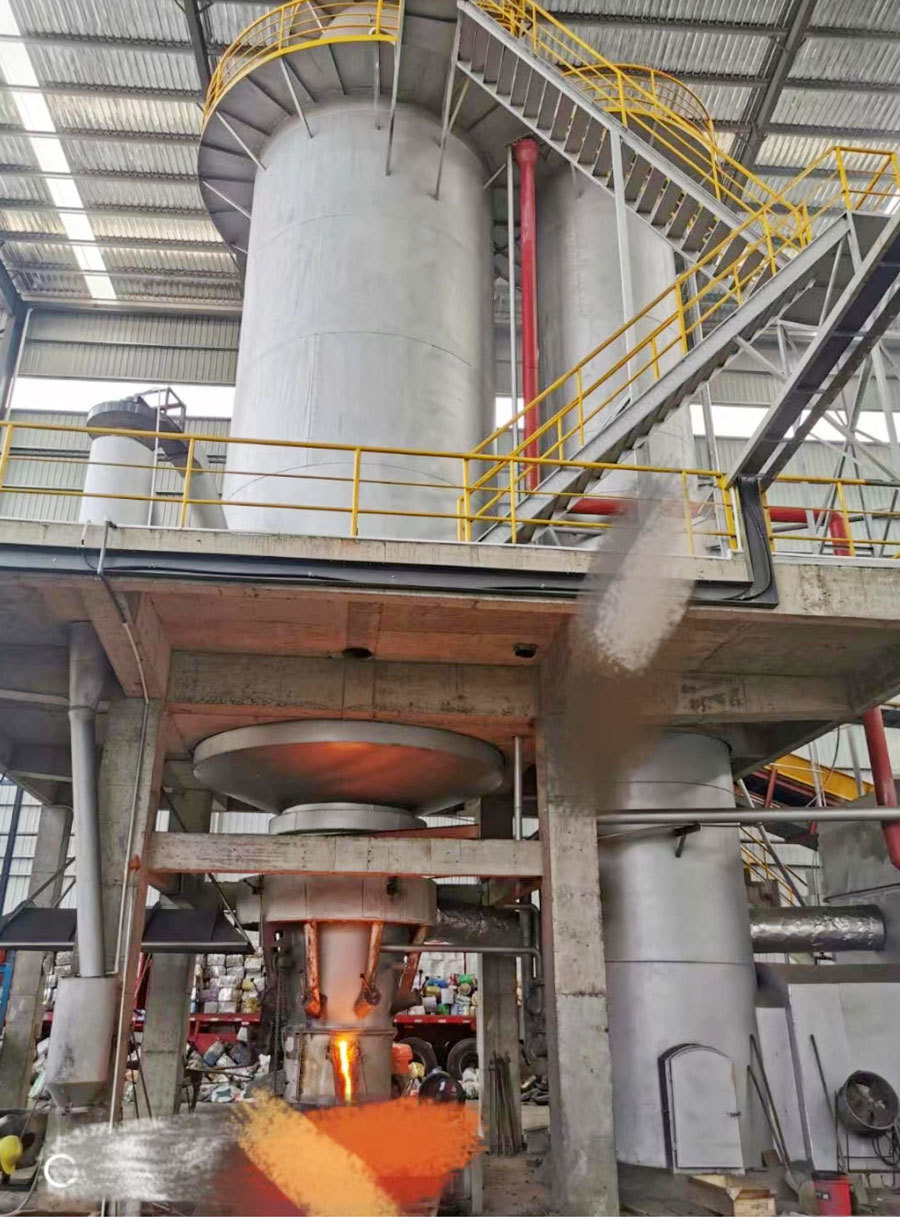
The Critical Role of Copper Pyrometallurgy in Modern Industrial Smelting
Table of Contents
- Introduction to Copper Pyrometallurgy
- Historical Perspective on Copper Smelting
- The Copper Pyrometallurgy Process Explained
- Benefits of Copper Pyrometallurgy in Industry
- Applications of Copper Pyrometallurgy in Modern Smelting
- Environmental Impact and Sustainability
- Future Trends in Copper Pyrometallurgy
- Conclusion
- Frequently Asked Questions
Introduction to Copper Pyrometallurgy
Copper pyrometallurgy is an integral part of the industrial smelting landscape, providing a reliable and efficient method for extracting copper from its ores. This thermal process utilizes high temperatures to separate copper from its impurities, enabling the production of high-purity metal that is essential for various applications. As industries continue to evolve, understanding the significance of copper pyrometallurgy is paramount for both manufacturers and consumers alike. This article delves into the comprehensive aspects of copper pyrometallurgy, highlighting its processes, benefits, and future prospects in modern industrial smelting.
Historical Perspective on Copper Smelting
The history of copper smelting dates back thousands of years. Ancient civilizations recognized the unique properties of copper and began smelting it around 5000 BCE. Early methods, primarily based on simple furnaces, laid the groundwork for modern pyrometallurgical techniques. Over the centuries, advancements in technology have shaped the way copper is extracted, with notable milestones including the introduction of blast furnaces in the Middle Ages and the development of electric furnaces in the 20th century.
The evolution of copper smelting reflects broader industrial changes, as the demand for copper soared during the Industrial Revolution. Today, pyrometallurgy remains a dominant method for copper production, and its historical significance continues to influence modern practices.
The Copper Pyrometallurgy Process Explained
Copper pyrometallurgy encompasses several critical steps, including roasting, smelting, and converting. Each stage plays a vital role in ensuring the efficient extraction of copper.
Roasting
The first step in the pyrometallurgical process involves roasting the copper ore to remove sulfur and moisture. This is achieved by heating the ore in the presence of oxygen, transforming sulfide minerals into oxides. The result is a concentrated product known as calcine, which is rich in copper oxide.
Smelting
Following roasting, the calcine is subjected to smelting, where it is combined with fluxes such as silica and limestone. The mixture is heated to temperatures exceeding 1,200 degrees Celsius in a smelting furnace. During this phase, the copper oxide reacts with the fluxes, forming a molten metal that separates from impurities, which are then removed as slag.
Converting
The final step in copper pyrometallurgy involves converting the molten metal into blister copper. In this process, air is blown through the molten copper to oxidize remaining impurities, resulting in a high-purity copper product. The blister copper is then further refined through electrolysis to produce cathode copper, which boasts a purity of over 99.99%.
Benefits of Copper Pyrometallurgy in Industry
Copper pyrometallurgy offers numerous advantages, making it a preferred method for copper extraction in industrial settings.
High Efficiency
One of the primary benefits of pyrometallurgy is its high efficiency in extracting copper from ore. The process is capable of achieving copper recovery rates of over 95%, ensuring minimal waste and maximizing yield.
Cost-Effectiveness
Pyrometallurgical techniques are generally more cost-effective compared to hydrometallurgical methods, particularly for low-grade ores. The ability to process larger quantities of material in a single operation reduces operational costs and enhances profitability.
Scalability
The scalability of copper pyrometallurgy allows for adaptation to varying production requirements. Industries can easily adjust their operations to meet market demands, whether it involves increasing output or optimizing resource usage.
Quality of Final Product
Copper obtained through pyrometallurgy is of high purity, making it suitable for a wide range of industrial applications. The final cathode copper is essential for electrical, construction, and manufacturing industries, where material quality is paramount.
Applications of Copper Pyrometallurgy in Modern Smelting
Copper pyrometallurgy finds applications across various sectors, underscoring its importance in modern industrial practices.
Electrical Industry
The electrical industry heavily relies on high-purity copper for wiring and components. Copper's excellent conductivity and durability make it a preferred choice for electrical applications, ensuring optimal performance in everything from household wiring to large-scale power generation.
Construction and Infrastructure
In the construction sector, copper is utilized for plumbing, roofing, and electrical systems. Its resistance to corrosion and longevity make it a valuable material in building infrastructures that withstand the test of time.
Manufacturing and Engineering
The manufacturing industry benefits from copper's versatility, using it in various products, including machinery components, automotive parts, and consumer goods. Its malleability and ductility facilitate the creation of intricate designs and durable products.
Environmental Impact and Sustainability
As industries strive for sustainability, the environmental footprint of copper pyrometallurgy is a critical consideration. While the process generates emissions, advancements in technology have led to more efficient and environmentally friendly practices.
Emission Reduction Technologies
Modern smelting operations incorporate emission reduction technologies, such as multi-stage scrubbers and electrostatic precipitators. These innovations significantly lower the release of harmful gases and particulate matter into the atmosphere.
Recycling Copper
Recycling copper is an essential aspect of sustainability in the industry. Pyrometallurgical techniques can be applied to recycled copper scrap, allowing for the recovery of valuable metal while reducing the need for virgin ore extraction.
Energy Consumption
Efforts to minimize energy consumption during the pyrometallurgy process are ongoing. The introduction of energy-efficient furnaces and heat recovery systems can significantly lower the overall energy footprint of copper production.
Future Trends in Copper Pyrometallurgy
Looking ahead, several trends are shaping the future of copper pyrometallurgy in the industrial landscape.
Automation and Industry 4.0
The integration of automation and Industry 4.0 technologies is set to revolutionize copper pyrometallurgy. Smart sensors, data analytics, and machine learning can enhance operational efficiency, reduce downtime, and optimize production processes.
Green Technologies
As environmental concerns grow, the adoption of green technologies in pyrometallurgy will become increasingly important. Innovations aimed at reducing emissions and energy consumption will play a vital role in ensuring the sustainability of copper production.
Global Demand for Copper
The global demand for copper is projected to rise significantly, driven by the expansion of renewable energy technologies, electric vehicles, and advanced communication systems. This demand will necessitate continued innovation in copper pyrometallurgy to meet the needs of a rapidly changing world.
Conclusion
Copper pyrometallurgy plays a pivotal role in modern industrial smelting, offering an efficient and cost-effective method for copper extraction. Its historical significance, combined with ongoing advancements in technology and sustainability, positions it as a cornerstone of the metallurgical industry. As we move forward, embracing innovation and addressing environmental challenges will be crucial in ensuring that copper pyrometallurgy continues to thrive in an ever-evolving industrial landscape.
Frequently Asked Questions
What is copper pyrometallurgy?
Copper pyrometallurgy is a thermal process that involves roasting, smelting, and converting copper ores to extract high-purity copper metal.
What are the environmental impacts of copper pyrometallurgy?
While copper pyrometallurgy generates emissions, modern technologies have been developed to reduce these impacts significantly. Recycling and energy-efficient practices also help minimize the environmental footprint.
How does copper pyrometallurgy compare to hydrometallurgy?
Copper pyrometallurgy is generally more cost-effective and efficient for low-grade ores, whereas hydrometallurgy is preferred for high-grade ores with lower energy consumption.
What industries rely on copper produced through pyrometallurgy?
The electrical, construction, and manufacturing industries heavily rely on high-purity copper obtained through pyrometallurgical processes for various applications.
What trends are shaping the future of copper pyrometallurgy?
Key trends include automation and Industry 4.0 technologies, the adoption of green technologies, and a growing global demand for copper driven by advancements in renewable energy and electric vehicles.
TAG:
Contact Us
Company Email:
962452762@qq.com
Contact Number:
+8615670922562
Company Address:
No. 11 Plant, Tiantan Industrial Park, Huling Industrial Cluster, Jiyuan City

Address: No. 11 Plant, Tiantan Industrial Park, Huling Industrial Cluster, Jiyuan City

Scan with WeChat
Copyright © Xinyu Metallurgical Equipment Co., Ltd.
SAF Coolest v1.3.1.2 设置面板 GAGSE-ZGYF-JXSZE-AED
违禁词: First, best, top-notch, leading, unique, king, leader, leader, ultimate,
无数据提示
Sorry, this column is currently being updated. Please stay tuned!
You can view other columns or returnHomepage